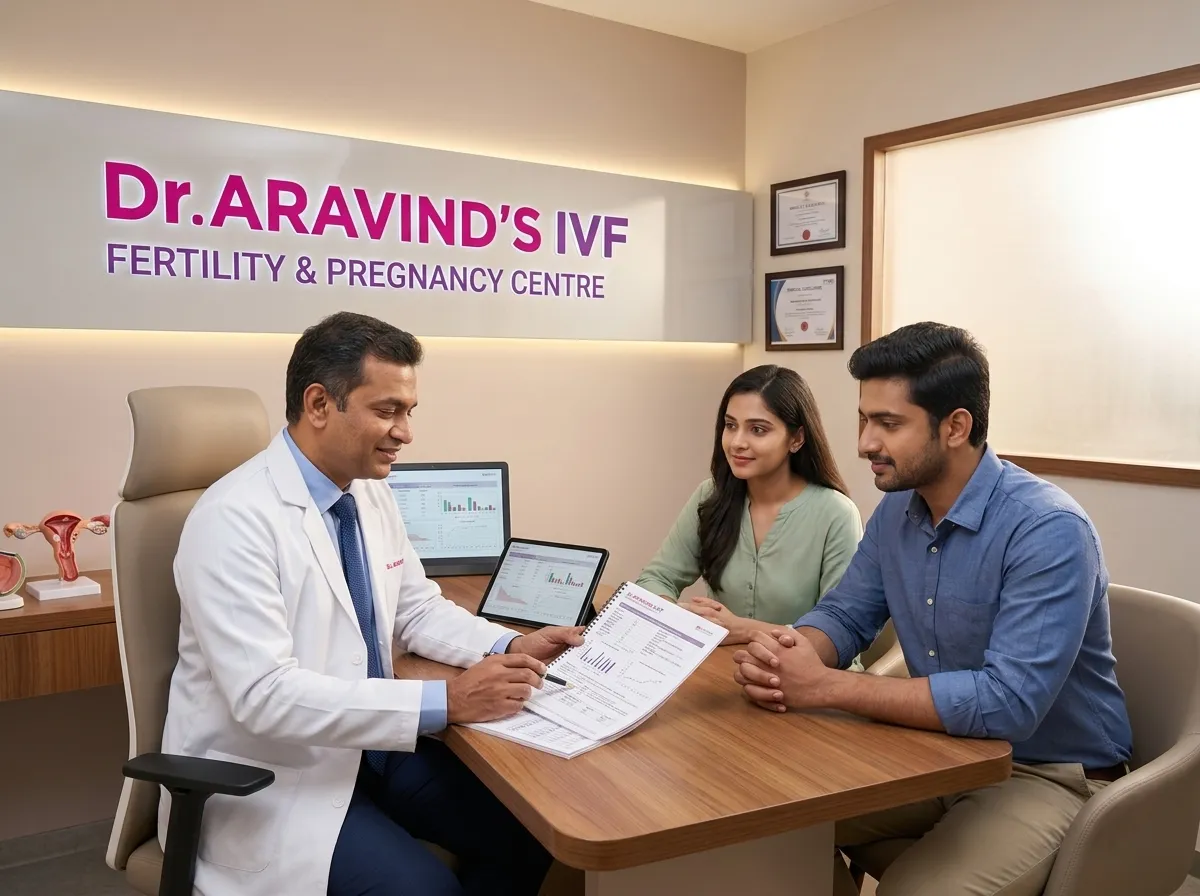

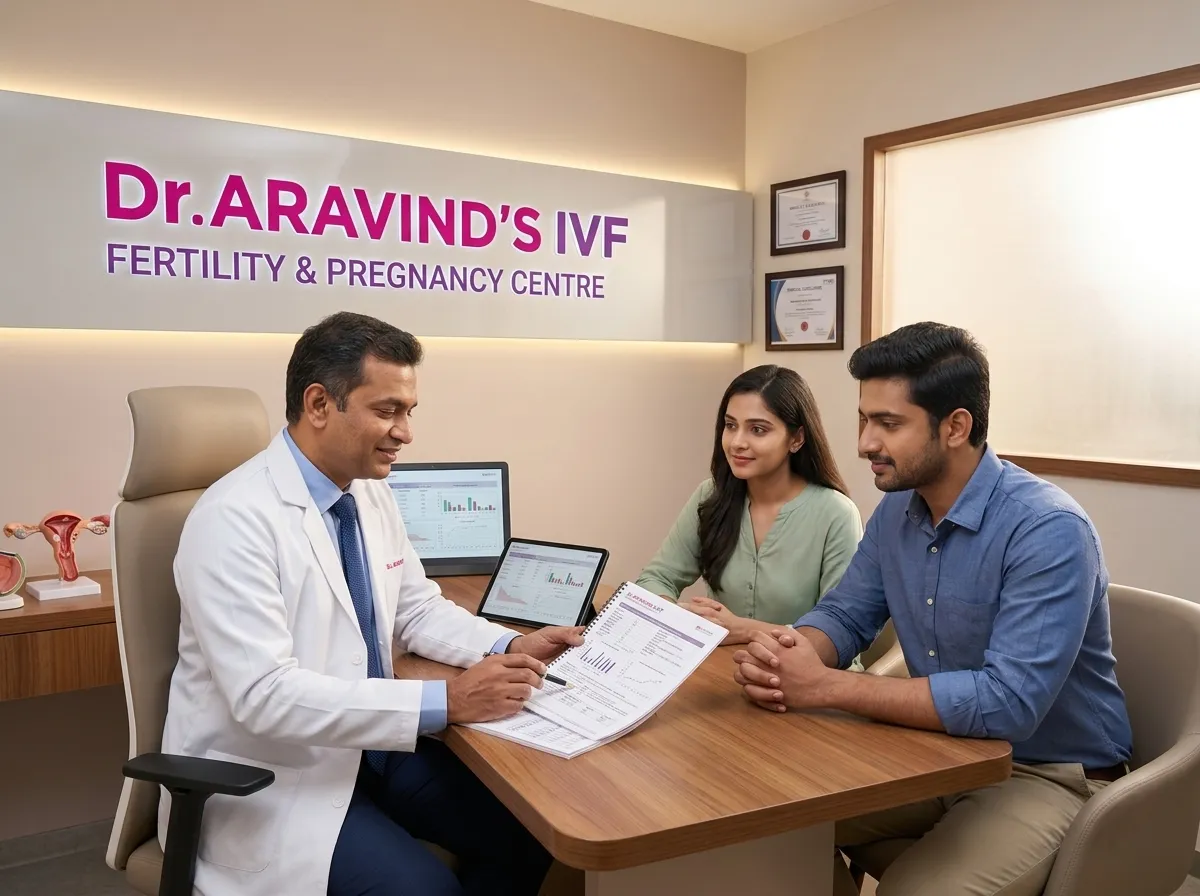
When couples begin their journey toward parenthood, terms like infertility and subfertility are often used interchangeably. However, understanding the distinction between these two conditions can help individuals make informed decisions about their reproductive health. If you are seeking guidance from the Best fertility doctor in T.Dasarahalli, knowing the difference is the first step toward finding the right fertility solution.
At Dr Aravind's IVF Fertility & Pregnancy Centre in T.Dasarahalli, Bangalore, fertility specialists work closely with couples to identify underlying causes and recommend personalized treatment options.
Understanding Infertility
Infertility is generally defined as the inability to achieve pregnancy after 12 months of regular, unprotected intercourse. For women over the age of 35, this timeframe is typically reduced to six months.
Infertility can affect both men and women and may result from factors such as:
- Ovulation disorders
- Blocked fallopian tubes
- Endometriosis
- Low sperm count
- Poor sperm motility
- Hormonal imbalances
- Genetic conditions
In many cases, advanced fertility treatments such as IVF, ICSI, or fertility-preserving procedures may be recommended after a thorough evaluation by the Best fertility doctor in T.Dasarahalli.
What Is Subfertility?
Subfertility refers to a reduced ability to conceive naturally, but not a complete inability. Couples with subfertility can still achieve pregnancy without medical intervention, although it may take longer than expected.
Common causes of subfertility include:
- Irregular ovulation
- Mild male factor fertility issues
- Age-related decline in fertility
- Lifestyle factors such as smoking or obesity
- Stress and environmental influences
Subfertility often responds well to lifestyle modifications, fertility medications, ovulation induction, or minimally invasive fertility treatments.
Key Difference Between Infertility and Subfertility
The primary distinction lies in the likelihood of natural conception.
Infertility
- Pregnancy does not occur despite regular attempts over a specified period.
- Often requires medical evaluation and fertility treatment.
- May involve significant reproductive challenges.
Subfertility
- Natural conception remains possible.
- The chances of pregnancy are lower than average.
- Fertility support can improve conception rates significantly.
Understanding this difference allows couples to seek timely assistance from fertility specialists and avoid unnecessary delays in treatment.
Why Early Fertility Assessment Matters
Many couples wait several years before consulting a fertility expert. Early evaluation can identify underlying reproductive issues before they become more complex.
A comprehensive fertility assessment may include:
- Hormone testing
- Ultrasound scans
- Semen analysis
- Ovulation tracking
- Tubal patency testing
The Best fertility doctor in T.Dasarahalli can recommend the most appropriate investigations based on age, medical history, and reproductive goals.
Treatment Options for Infertility and Subfertility
Modern reproductive medicine offers effective solutions for both conditions.
For Subfertility
- Lifestyle and dietary improvements
- Ovulation stimulation
- Timed intercourse
- Fertility counseling
For Infertility
- Intrauterine insemination (IUI)
- In vitro fertilization (IVF)
- Intracytoplasmic sperm injection (ICSI)
- Donor programs when necessary
Choosing the right treatment depends on accurate diagnosis and expert fertility guidance.
When Should You Consult a Fertility Specialist?
Consider scheduling a consultation if:
- You have been trying to conceive for over a year.
- You are over 35 and have been trying for six months.
- You experience irregular menstrual cycles.
- There is a known male fertility issue.
- You have a history of miscarriage or reproductive disorders.
Timely intervention often leads to better treatment outcomes and greater peace of mind.
Final Thoughts
While infertility and subfertility both affect a couple's ability to conceive, they are not the same. Subfertility indicates reduced fertility potential, whereas infertility reflects a more significant reproductive challenge. Understanding the distinction helps couples seek appropriate care at the right time. If you are looking for the Best fertility doctor in T.Dasarahalli, Dr Aravind's IVF Fertility & Pregnancy Centre provides comprehensive fertility evaluation, advanced reproductive treatments, and compassionate support tailored to every patient's journey toward parenthood.
























Sign in to leave a comment.