

Sperm health plays a bigger role in fertility than many people realize. While most conversations focus on female fertility, male factors contribute to nearly half of all infertility cases. The good news is that sperm quality isn't fixed—it can improve or decline depending on several everyday factors. If you are trying to conceive, consulting an IVF Doctor in Hebbal can help identify hidden issues early and guide you toward the right treatment plan.
Understanding what affects sperm health empowers couples to make informed decisions and improve their chances of a healthy pregnancy.
What Does Good Sperm Health Mean?
Healthy sperm is measured by three main factors:
- Sperm count – The number of sperm in semen.
- Sperm motility – How effectively sperm swim toward the egg.
- Sperm morphology – The size and shape of sperm.
A fertility specialist evaluates these through a semen analysis to understand male reproductive health before recommending treatment.
Everyday Habits That Secretly Affect Sperm Health
Many lifestyle choices can influence sperm production without obvious symptoms.
Poor Sleep Patterns
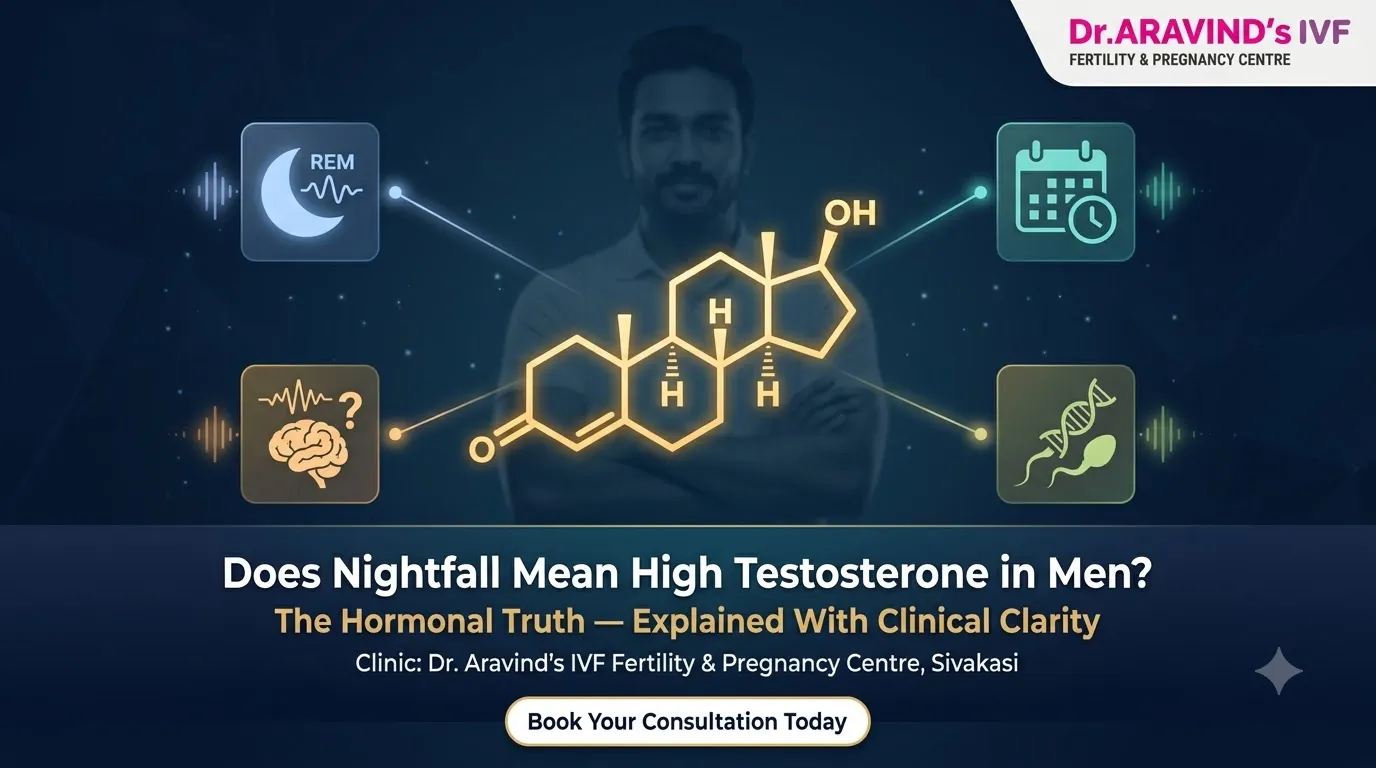
Consistently sleeping less than seven hours may reduce testosterone levels and interfere with healthy sperm production. Maintaining a regular sleep schedule supports hormonal balance.
Chronic Stress
Long-term stress increases cortisol, a hormone that may negatively affect testosterone production and sperm quality. Managing stress through exercise, hobbies, or relaxation techniques can be beneficial.
Unhealthy Diet
Highly processed foods, sugary drinks, and excessive fast food consumption may increase oxidative stress, affecting sperm cells. A balanced diet rich in fruits, vegetables, nuts, whole grains, and lean proteins provides antioxidants that support reproductive health.
Heat Can Lower Sperm Quality
Sperm develop best at temperatures slightly below body temperature. Frequent exposure to excessive heat may temporarily reduce sperm production.
Common sources include:
- Hot tubs and steam baths
- Keeping laptops on the lap for extended periods
- Tight-fitting underwear
- Prolonged sitting without movement
Simple lifestyle adjustments can help maintain an ideal environment for sperm production.
Smoking, Alcohol, and Environmental Toxins
Smoking introduces harmful chemicals that damage sperm DNA and reduce motility. Excessive alcohol consumption may lower testosterone levels and decrease sperm count.
Exposure to pesticides, industrial chemicals, heavy metals, and air pollution may also contribute to declining male fertility. Couples planning pregnancy should reduce unnecessary exposure whenever possible.
Age Matters for Men Too
Although men remain fertile longer than women, sperm quality naturally changes with age. After the age of 40, DNA fragmentation may increase while sperm motility gradually declines. This doesn't mean fatherhood isn't possible—it simply highlights the importance of early fertility evaluation when pregnancy is delayed.
Medical Conditions That Can Affect Fertility
Several health conditions may reduce sperm quality, including:
- Diabetes
- Hormonal imbalances
- Varicocele (enlarged veins around the testicles)
- Previous infections
- Certain medications
- Obesity
An experienced IVF Doctor in Hebbal can identify these underlying causes through comprehensive fertility testing and recommend personalized treatment options.
Can Sperm Health Improve?
Yes. Since sperm production takes about three months, healthy lifestyle changes often begin showing results within that timeframe.
Helpful steps include:
- Eating a nutrient-rich diet
- Exercising regularly
- Maintaining a healthy weight
- Quitting smoking
- Limiting alcohol
- Managing stress
- Getting adequate sleep
- Seeking timely medical advice
Some men may also benefit from supplements or targeted treatments after proper medical evaluation.
When Should You See a Fertility Specialist?
If you've been trying to conceive for a year without success—or six months if the female partner is over 35—it is advisable for both partners to undergo fertility testing. Early diagnosis helps avoid unnecessary delays and allows for more effective treatment planning.
At Dr Aravind's IVF Fertility & Pregnancy Centre, couples receive compassionate, evidence-based fertility care tailored to their unique needs. Learn more about fertility services through the clinic's website: https://www.draravindsivf.com. You can also schedule an appointment to consult an experienced fertility specialist in Hebbal.
Conclusion
Male fertility depends on much more than age alone. Lifestyle habits, medical conditions, environmental exposure, and overall health all influence sperm quality. By recognizing these surprising factors and making positive changes, many couples can improve their chances of conception. If concerns persist, consulting an IVF Doctor in Hebbal ensures timely diagnosis, personalized care, and access to advanced fertility treatments that support your journey toward parenthood.


























Sign in to leave a comment.