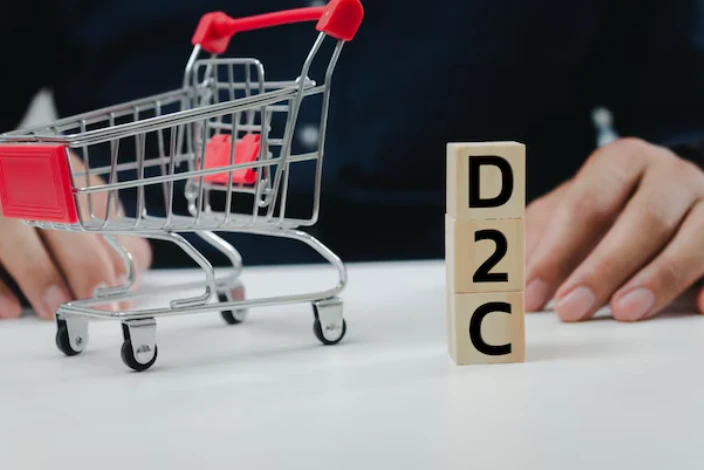

Direct-to-Consumer (D2C) brands have emerged as a significant force in the retail landscape, fundamentally altering how products are marketed, sold, and delivered to consumers. Unlike traditional retail models that rely heavily on intermediaries such as wholesalers and retailers, D2C brands sell directly to consumers through their own online platforms. This shift has been facilitated by advancements in technology, particularly the rise of e-commerce and digital marketing strategies.
The Rise of D2C Brands
The growth of D2C brands can be attributed to several factors. First, the proliferation of the internet and mobile devices has made it easier for consumers to shop online. According to Statista, global e-commerce sales are projected to reach $6.54 trillion by 2023. This trend has encouraged many entrepreneurs to launch D2C brands that cater directly to consumer needs without relying on traditional retail channels.
Additionally, social media platforms have become powerful tools for brand promotion and customer engagement. Digital marketing agencies play a crucial role in helping these brands establish their online presence through targeted advertising campaigns, influencer partnerships, and content marketing strategies. As a result, D2C brands can build strong relationships with their customers while maintaining control over their brand narrative.
Impact on Consumer Behavior
D2C brands have significantly influenced consumer behavior by offering personalized shopping experiences. By leveraging data analytics and customer insights, these brands can tailor their offerings to meet individual preferences. For instance, they can recommend products based on past purchases or browsing history, enhancing customer satisfaction and loyalty.
Moreover, D2C brands often prioritize transparency in their operations. Consumers today are increasingly concerned about sustainability and ethical practices; thus, many D2C companies emphasize their commitment to responsible sourcing and production methods. This transparency fosters trust between the brand and its customers, further solidifying the relationship.
Challenges Faced by D2C Brands
Despite their advantages, D2C brands face several challenges that could impact their long-term success in the retail sector. One significant hurdle is competition from established retailers who are adapting to the digital landscape by enhancing their online offerings. Traditional retailers possess extensive resources and established supply chains that allow them to compete aggressively with emerging D2C brands.
Additionally, customer acquisition costs for D2C brands can be high due to intense competition in digital advertising spaces. As more businesses enter the market, standing out becomes increasingly difficult; hence many turn to specialized agencies like a D2C SEO agency for assistance in optimizing their online visibility through search engine optimization strategies.
The Role of Technology in Shaping Retail
Technology continues to play a pivotal role in shaping the future of retail as it relates to D2C brands. Innovations such as artificial intelligence (AI), machine learning (ML), augmented reality (AR), and virtual reality (VR) are transforming how consumers interact with products before making a purchase decision.
For example, AR applications allow customers to visualize how furniture would look in their homes or try on clothing virtually before buying—enhancing the overall shopping experience while reducing return rates for retailers. Furthermore, AI-driven chatbots provide instant customer support on websites or social media platforms—improving user experience while freeing up human resources for more complex inquiries.
Future Trends in Retail Driven by D2C Brands
As we look toward the future of retail influenced by D2C brands, several trends are likely to emerge:
Increased Personalization: The demand for personalized shopping experiences will continue growing as consumers expect tailored recommendations based on previous interactions with a brand.
Omnichannel Strategies: While many D2C brands primarily operate online today; integrating offline experiences through pop-up shops or collaborations with physical retailers may become more common.
Sustainability Focus: As environmental concerns rise among consumers; sustainable practices will likely become integral components of successful business models for both new entrants into this space as well as established players adapting accordingly.
Enhanced Customer Engagement: Leveraging social media platforms not just for advertising but also fostering community engagement around shared interests will be essential moving forward.
Data-Driven Decision Making: Utilizing advanced analytics tools will enable businesses operating within this model better understand consumer behavior patterns leading them towards informed strategic decisions regarding product development pricing promotions etcetera
Conclusion: The Future is Bright for D2C Brands
In conclusion; Direct-to-Consumer (D2C) brands represent a transformative force within modern-day retailing reshaping how businesses connect with customers while emphasizing personalization transparency sustainability among other key factors driving success today! With continued advancements technology coupled alongside evolving consumer expectations there’s no doubt that these innovative companies will play an increasingly vital role shaping what lies ahead!

































Sign in to leave a comment.