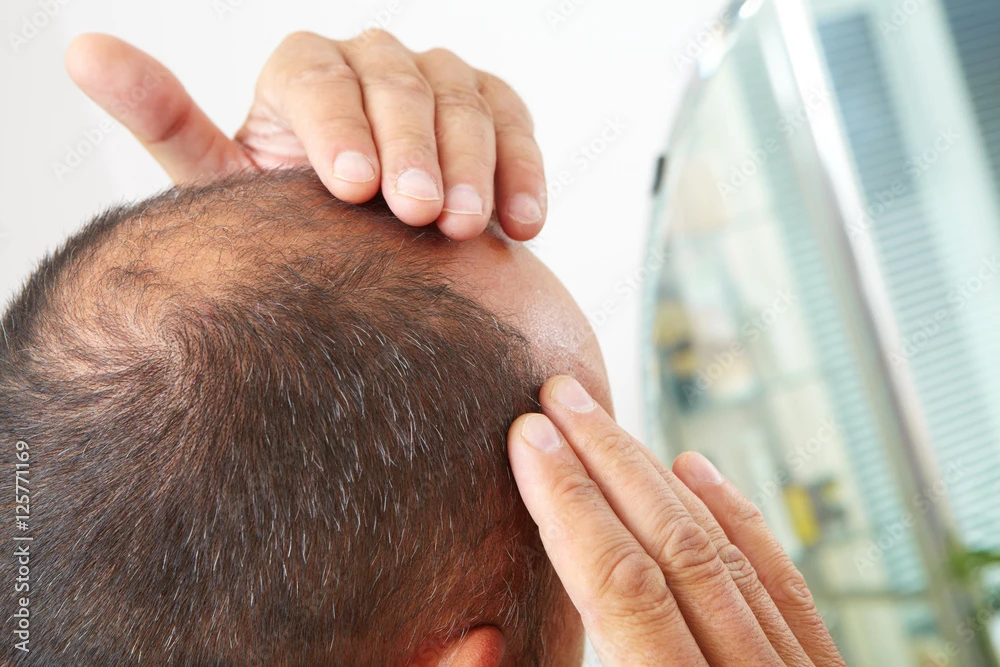

Hair loss has long been a frustrating issue for both men and women, often impacting self-esteem and social confidence. While numerous treatments such as PRP therapy, minoxidil, and hair transplants have been used over the years, recent advancements in pharmaceutical science have led to the approval of a groundbreaking drug that promises new hope for those suffering from severe hair loss. If you’re exploring effective options for hair regrowth, particularly in Pakistan, then it’s worth considering the latest developments alongside options like Hair lossTreatment In Islamabad.
Introducing Baricitinib: The Game-Changer in Hair Loss Treatment
In 2022, the U.S. Food and Drug Administration (FDA) approved a new drug called Baricitinib for the treatment of alopecia areata, an autoimmune disorder that causes patchy hair loss on the scalp and other parts of the body. This approval marked a historic moment as it was the first systemic treatment specifically sanctioned for this condition.
Baricitinib is an oral Janus kinase (JAK) inhibitor that works by interfering with the body’s immune system response. In people with alopecia areata, the immune system mistakenly attacks hair follicles, resulting in hair loss. Baricitinib helps to calm this immune attack, allowing the hair follicles to function normally again and stimulate regrowth.
Clinical Success and Research Findings
The clinical trials that led to the approval of Baricitinib were extensive and promising. Over 1,200 patients with severe alopecia areata participated in two phase 3 clinical trials known as BRAVE-AA1 and BRAVE-AA2. These studies demonstrated that a significant percentage of patients taking Baricitinib regrew at least 80% of their scalp hair after one year of treatment.
Importantly, the drug showed a relatively manageable side effect profile. Common side effects included mild infections, acne, and slight increases in cholesterol levels. However, for patients suffering from chronic, debilitating hair loss, the benefits of Baricitinib have outweighed the minor risks in most cases.
How Baricitinib Compares to Existing Treatments
Unlike topical solutions or corticosteroid injections that often offer temporary or limited results, Baricitinib addresses the root cause of hair loss in autoimmune conditions. This makes it especially useful for patients who haven't seen results from traditional methods like minoxidil or finasteride.
Additionally, Baricitinib’s oral administration is more convenient for long-term use compared to some invasive procedures. It may not replace surgical options for pattern baldness, but for those with alopecia areata, it is a revolutionary alternative.
Is Baricitinib Suitable for Everyone?
Although the drug has opened doors for a new category of patients, it’s not suitable for all types of hair loss. For instance, androgenetic alopecia (male or female pattern baldness), which is the most common form of hair loss, may not respond effectively to Baricitinib. That’s why it's crucial to undergo a proper diagnosis before starting any treatment.
In places like Islamabad, a dermatologist or hair specialist can help you determine the exact cause of your hair loss and whether Baricitinib is a suitable option. Customized assessments are essential to choosing the right treatment path, whether it involves this new drug, PRP therapy, or a transplant procedure.
Cost and Accessibility
As of now, Baricitinib is a prescription drug and not widely available over the counter. It may also be relatively expensive due to its novelty and the research behind it. However, as more countries begin to recognize its benefits and as production scales up, the cost is expected to become more affordable.
In Pakistan, the availability of Baricitinib is growing steadily, especially in cities where advanced hair treatment clinics operate. If you're considering this option, it's best to consult with a clinic offering diverse hair restoration services to ensure safe and effective use.
What Does This Mean for the Future of Hair Loss Treatment?
The approval of Baricitinib signifies more than just a new medication; it symbolizes a shift toward targeted, science-backed treatments that go beyond superficial solutions. Researchers are now exploring other JAK inhibitors and similar immune-modulating drugs that could potentially treat different kinds of hair loss.
Moreover, this innovation may spark interest in combining pharmaceutical treatments with other established methods like PRP, microneedling, or hair transplants for more comprehensive results. A holistic approach is likely the future of hair restoration—one that considers genetics, immunity, lifestyle, and scalp health together.
Conclusion
The introduction of Baricitinib as an FDA-approved drug for alopecia areata marks a revolutionary leap in the field of hair restoration. Unlike traditional methods that often fail to provide satisfactory results for autoimmune hair loss sufferers, Baricitinib works from within to restore natural growth by targeting immune dysfunction. However, as with any treatment, it’s essential to get a professional diagnosis to understand the cause of your hair loss before exploring this medication. For those in Pakistan looking for expert guidance and treatment, clinics offering Hair lossTreatment In Islamabad are a great starting point. And for comprehensive care under one roof, the experts at Royal Cosmetic Surgery PK provide advanced hair restoration solutions tailored to your unique needs.





















Sign in to leave a comment.