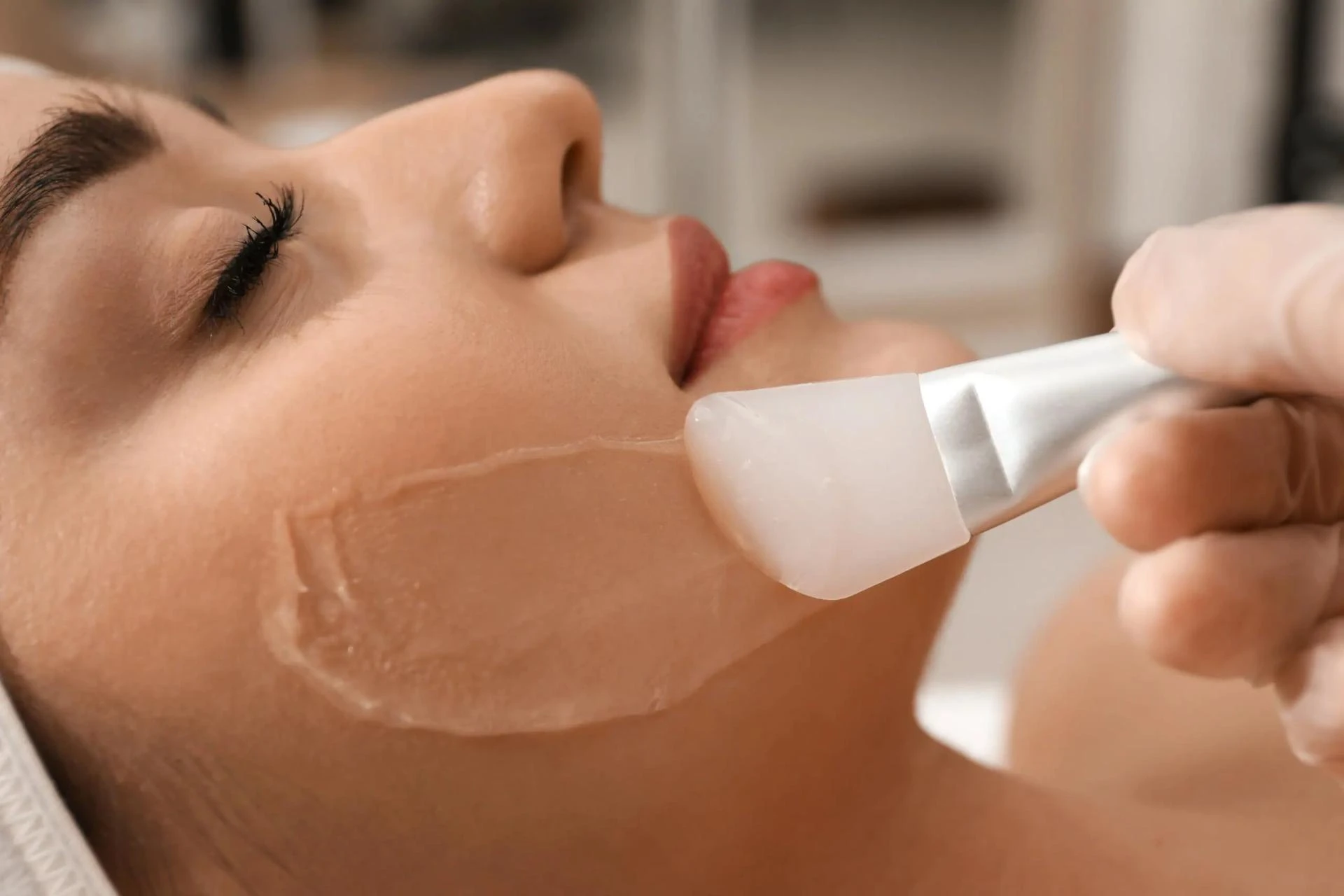

Undergoing a chemical peel treatment in Islamabad is an effective way to rejuvenate your skin, remove dead cells, and improve overall complexion. However, understanding what to expect in the days following the procedure is crucial for proper aftercare and achieving the best results. By day three, your skin will go through significant changes that may cause peeling, redness, and sensitivity. Let’s explore what happens during this phase and how you can care for your skin properly.
What Happens After a Chemical Peel?
Chemical peels work by removing the outer layer of the skin to reveal a fresher, healthier layer underneath. The post-treatment phase varies depending on the type of peel used—superficial, medium, or deep. Regardless of the intensity, most people experience noticeable changes by the third day.
Day 1: Immediate Reaction
Right after the procedure, your skin might appear red, tight, or slightly swollen. You may feel a mild burning or stinging sensation, similar to a sunburn. This is completely normal and is part of the healing process as the chemical solution starts breaking down the outer layer of skin.
Day 2: Tightness and Dryness Begin
By the second day, your skin may start feeling excessively dry and tight. The treated areas may appear darker than usual, indicating that the damaged skin is preparing to shed. At this stage, it’s crucial to avoid picking or scratching your face to prevent scarring and irritation.
Day 3: Peeling and Flaking Become Noticeable
On the third day, peeling usually begins. You may notice flakes or patches of skin lifting from your face, particularly around the nose, mouth, and cheeks. Some individuals experience more pronounced peeling, while others might only have mild flaking. It’s important to let the process occur naturally and avoid forcefully removing the peeling skin.
What Should You Do on Day 3?
- Keep Your Skin Moisturized: Use a gentle, hydrating moisturizer to prevent excessive dryness and discomfort.
- Avoid Sun Exposure: Your skin is extremely sensitive at this stage, so apply a broad-spectrum sunscreen if you need to go outside.
- Stay Hydrated: Drinking plenty of water can support your skin’s healing process and keep it hydrated from within.
- Do Not Pick at the Skin: Peeling is a natural part of the process, and interfering with it can lead to scars and prolonged healing.
Day 4 and Beyond: Healing Continues
By the fourth day, peeling may still be ongoing, but the new skin underneath will start appearing smoother and brighter. Any redness or sensitivity should gradually subside. By the end of the first week, your skin should be mostly healed, revealing the rejuvenated results of your chemical peel.
When to Be Concerned?
While some redness, dryness, and peeling are normal, excessive swelling, severe pain, or signs of infection such as pus or a fever should prompt you to seek medical attention. If you experience any unusual reactions, contact your skincare professional immediately.
Final Thoughts
The third day after a chemical peel is a crucial phase in the recovery process. Peeling and flaking are common, but with the right care, you can ensure a smooth healing process and achieve radiant skin. If you’re considering getting a chemical peel, consulting a professional can help you understand the best type for your skin concerns.
For expert care and advanced skin treatments, visit Royal Cosmetic Surgery Clinic PK and explore a range of cosmetic solutions tailored to your needs.





















Sign in to leave a comment.