

Urological cancer refers to cancers that develop in the organs of the urinary and male reproductive systems, including the kidneys, bladder, prostate, testes, and ureters. These cancers can affect people of different age groups, but they are more commonly seen in older adults. Early detection and appropriate urological cancer treatment play a crucial role in improving outcomes and quality of life.
Types of Urological Cancer
There are several types of urological cancers, the most common being:
- Prostate cancer, which affects the prostate gland in men
- Bladder cancer, which develops in the lining of the bladder
- Kidney (renal) cancer, which originates in the kidneys
- Testicular cancer, commonly affecting younger men
- Ureter and urethral cancer, which are less common but serious
Each type has different causes, symptoms, and treatment approaches.
Causes and Risk Factors
The exact cause of urological cancer is not always clear, but certain factors increase the risk. These include smoking, advanced age, family history of cancer, exposure to harmful chemicals, obesity, chronic urinary infections, and long-term irritation of the urinary tract. In some cases, genetic factors may also play a role.
Common Symptoms
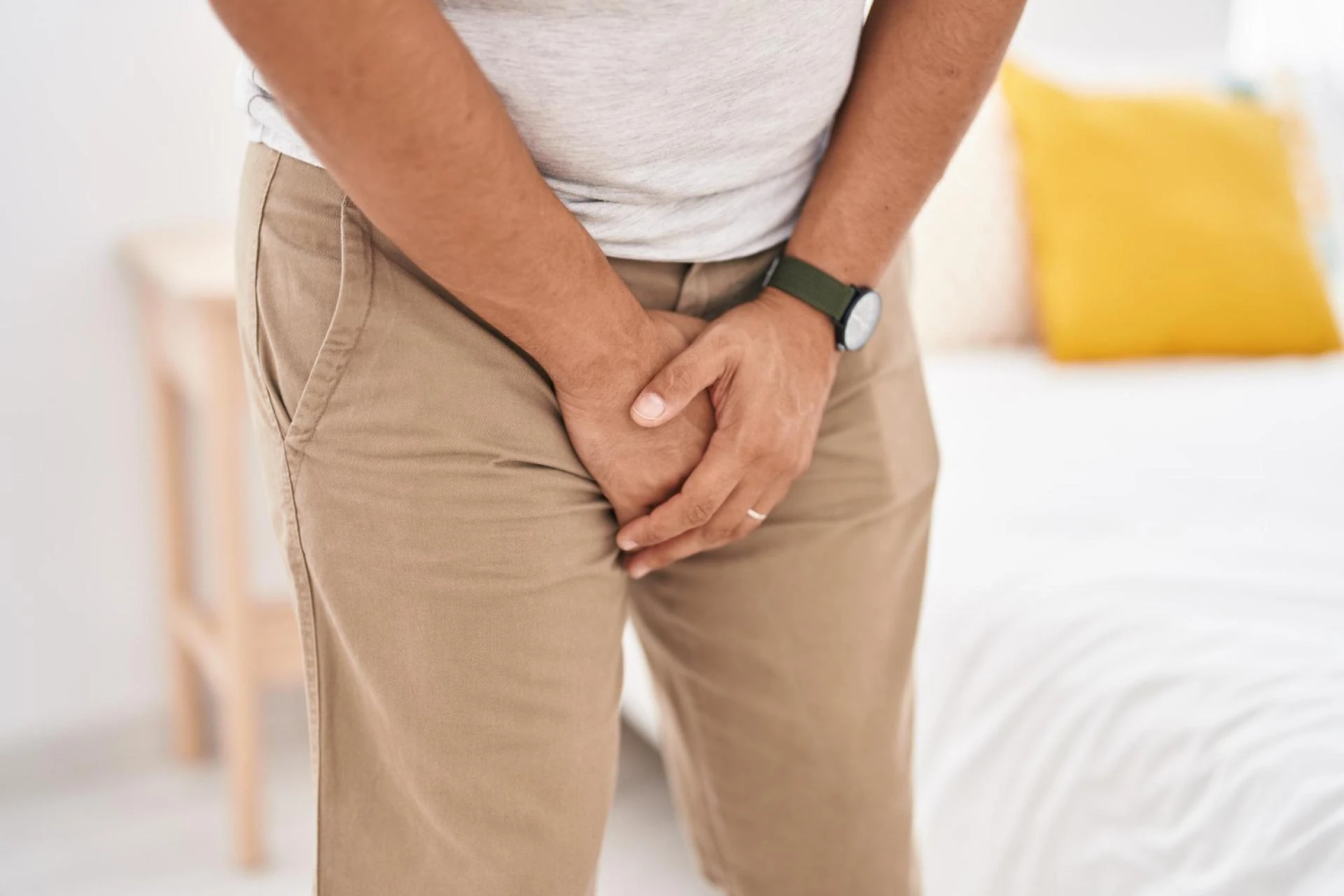
Symptoms depend on the type and stage of cancer but may include blood in urine, frequent urination, painful urination, lower back or pelvic pain, unexplained weight loss, fatigue, and difficulty passing urine. These symptoms should never be ignored, as early evaluation can make a significant difference in treatment success.
Diagnosis
Doctors diagnose urological cancer through a combination of medical history, physical examination, urine tests, blood tests, ultrasound, CT scan, MRI, and sometimes biopsy. These investigations help determine the type, stage, and spread of cancer, which guides treatment planning.
Treatment Options
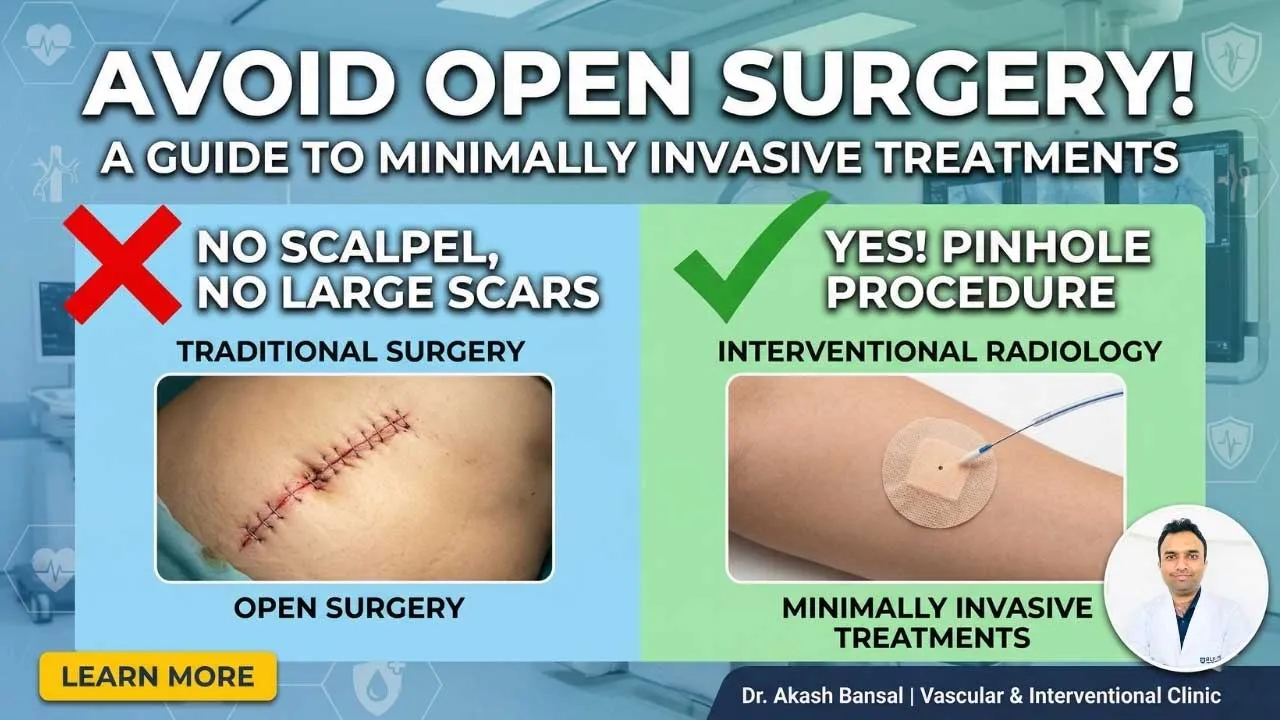
Treatment varies based on cancer type, stage, and overall patient health. Options may include surgery, radiation therapy, chemotherapy, immunotherapy, and targeted therapy. Modern minimally invasive surgical techniques allow precise tumor removal with faster recovery and fewer complications.
Many patients in the region seek guidance from Dr. Anuj Arora, Best Urologist in Greater Noida, who provides expert evaluation and personalized care for individuals requiring urological cancer treatment, ensuring a balanced approach between effectiveness and quality of life.
Importance of Early Detection
Regular health check-ups, especially for high-risk individuals, can help detect urological cancers at an early stage when treatment is most effective. Timely medical attention improves survival rates and reduces treatment complexity.
























Sign in to leave a comment.