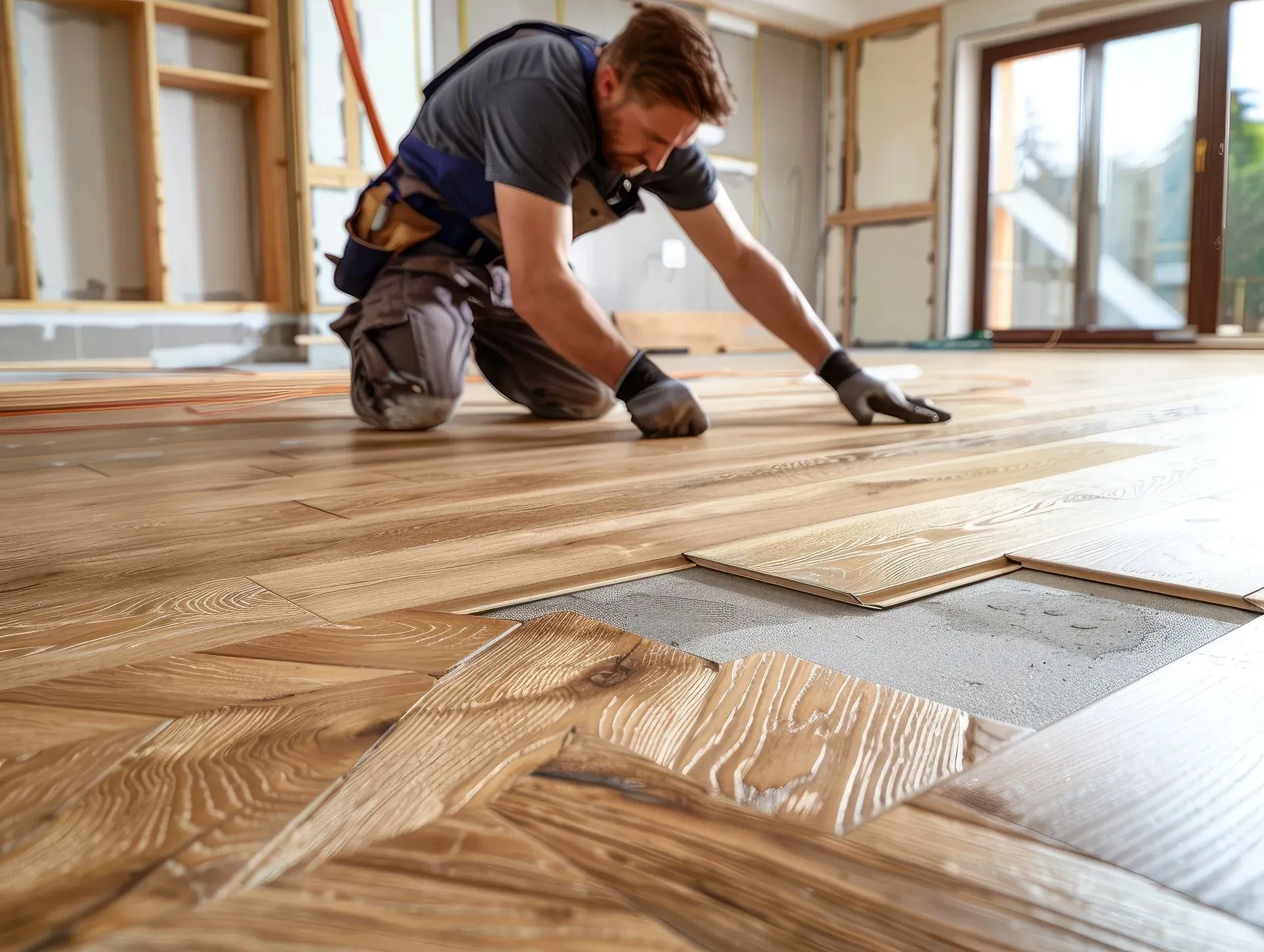

Choosing a new floor is a major home improvement decision, especially when you want something durable, attractive, and timeless. If you are considering hardwood flooring in Calgary, understanding the material, installation process, maintenance needs, and local conditions can help you make a more informed choice.
Choose the Right Type of Hardwood
Hardwood flooring generally comes in two main options: solid hardwood and engineered hardwood.
Solid hardwood is made from a single piece of natural wood. It can often be sanded and refinished several times, making it a long-term flooring option. However, it can react more noticeably to changes in temperature and humidity.
Engineered hardwood has a real wood surface supported by multiple layers of wood-based material. Its layered construction provides greater dimensional stability, which can be useful in homes where indoor conditions change throughout the year.
Consider your home's rooms, moisture exposure, expected foot traffic, and long-term plans before choosing between the two.
Consider Your Home's Climate
Calgary experiences significant seasonal temperature changes. Heating systems can also make indoor air considerably drier during colder months. These conditions can affect natural wood flooring.
Wood expands when it absorbs moisture and contracts when moisture levels decrease. Excessive changes can contribute to gaps, cupping, crowning, or other installation and appearance issues.
Before installation, maintain reasonably stable indoor temperature and humidity levels. Your flooring professional can also explain the manufacturer's recommended conditions for acclimation and installation.
Let the Flooring Acclimate
One important step before installation is acclimating the flooring. This allows the material to adjust to the environmental conditions inside the home.
The required acclimation period depends on the flooring type, manufacturer, construction, and indoor conditions. Follow the manufacturer's instructions rather than relying on a general number of days.
Skipping or improperly handling this step can increase the risk of movement after installation.
Check the Subfloor
A beautiful hardwood floor still depends on a properly prepared subfloor. Before installation, the surface should be clean, structurally sound, sufficiently dry, and appropriately level.
Installers may check for:
- Uneven areas
- Moisture problems
- Loose or damaged sections
- Squeaks or movement
- Debris and contaminants
- Appropriate subfloor strength
Any problems should be addressed before hardwood goes down. Installing over an unsuitable surface can lead to noise, movement, premature wear, or visible imperfections.
Think About Room Usage
Not every room has the same flooring requirements. Bedrooms and living rooms may have different needs from entryways, kitchens, or other areas exposed to spills and moisture.
Think about how much traffic each space receives and whether pets, children, furniture, or heavy equipment will regularly come into contact with the floor.
You should also consider the wood species, plank width, finish, colour, and surface texture. A flooring choice that looks excellent in a showroom may appear different under your home's lighting and surrounding finishes.
Plan the Installation Carefully
Hardwood installation requires more than simply placing planks across a room. The installer must account for the direction of the boards, expansion gaps, transitions, doorways, vents, and other fixed features.
Furniture should normally be removed before work begins. Depending on the project, baseboards or trim may also need to be removed and reinstalled.
Ask the installer about the expected timeline, preparation requirements, ventilation, noise, dust, and when the floor can safely be walked on or furnished.
Planning these details in advance can make the project easier and reduce unexpected disruptions.
Set a Realistic Budget
The cost of a hardwood flooring project depends on several factors. Material prices, flooring type, room size, subfloor preparation, installation method, removal of existing flooring, trim work, and finishing requirements can all affect the final price.
Request a detailed estimate before work begins. If repairs or preparation are needed, ask whether those costs are included.
You can also compare local flooring professionals and service listings before choosing someone for the project. MarketLister.ca provides a place where people can post ads or find relevant listings based on their needs, making it useful for exploring local home improvement services.
Understand Maintenance Requirements
Hardwood flooring can last for many years with proper care. Regular sweeping or vacuuming helps prevent dirt and grit from scratching the surface. Spills should be cleaned promptly, and cleaning products should be suitable for the specific flooring finish.
Avoid excessive water when cleaning wood floors. Furniture pads can also help protect the surface from scratches and dents.
Over time, the floor may show signs of wear. Depending on the wood and finish, refinishing can restore its appearance without replacing the entire floor.
Ask Questions Before Hiring an Installer
Before choosing a flooring professional, ask about their experience, installation method, preparation process, warranty, and estimated timeline.
It is also helpful to ask what happens if the installer discovers moisture, subfloor damage, or uneven areas after the project starts.
When comparing options for hardwood flooring in Calgary, look beyond the initial price. Clear communication, proper preparation, suitable materials, and experienced installation can all affect the final result.
Final Thoughts
Hardwood flooring can add warmth, character, and lasting value to a home, but successful installation starts with careful preparation. Choosing the right material, checking the subfloor, managing indoor conditions, planning the installation, and understanding maintenance requirements can help prevent common problems.
If you are searching for flooring professionals, suppliers, or related home improvement services, MarketLister.ca can help you explore classified listings and connect your needs with available ads.
FAQs
1. How long does hardwood flooring typically last?
With proper installation and maintenance, hardwood flooring can last for decades. Solid hardwood may also be refinished multiple times, depending on its thickness and condition.
2. Is engineered hardwood suitable for Calgary homes?
Engineered hardwood can offer greater dimensional stability than solid hardwood because of its layered construction. However, the appropriate choice depends on the home's conditions and the manufacturer's specifications.
3. Does hardwood flooring need to acclimate before installation?
Many hardwood products require acclimation, but the exact requirements vary. Always follow the flooring manufacturer's instructions regarding storage, acclimation, temperature, and humidity.
4. Can hardwood flooring be installed over an existing floor?
In some situations, hardwood can be installed over an existing floor, but this depends on the existing material, subfloor condition, height differences, moisture levels, and installation method.
5. How can I protect hardwood floors from scratches?
Regular cleaning, furniture pads, rugs in high-traffic areas, and avoiding dragging heavy objects across the surface can help reduce scratches and other damage.
























Sign in to leave a comment.