
Golf carts are everywhere in California, but not all of them are allowed on public roads. The difference between a standard golf cart and a street legal vehicle comes down to safety equipment, classification, and compliance with both state and federal regulations. Understanding what makes a golf cart street legal is essential before driving one beyond private property or designated communities.
Standard Golf Carts vs Street Legal Vehicles
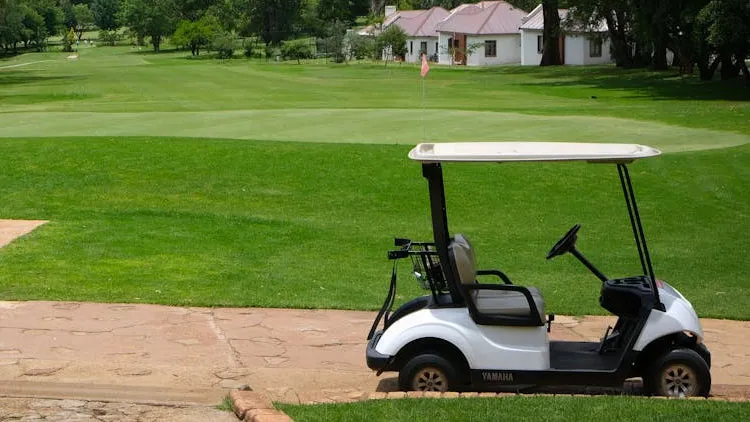
A standard golf cart is designed primarily for golf courses, private property, and controlled environments like gated communities. These carts typically have lower speeds and lack many of the safety features required for road use.
A street legal version, often classified as a Low Speed Vehicle, is built to meet specific equipment and performance standards. These vehicles are designed to safely operate on roads with lower speed limits, usually 35 miles per hour or less, depending on local rules.
This distinction is the foundation of legality in California and determines where a cart can be driven.
Required Safety Equipment for Street Legal Status
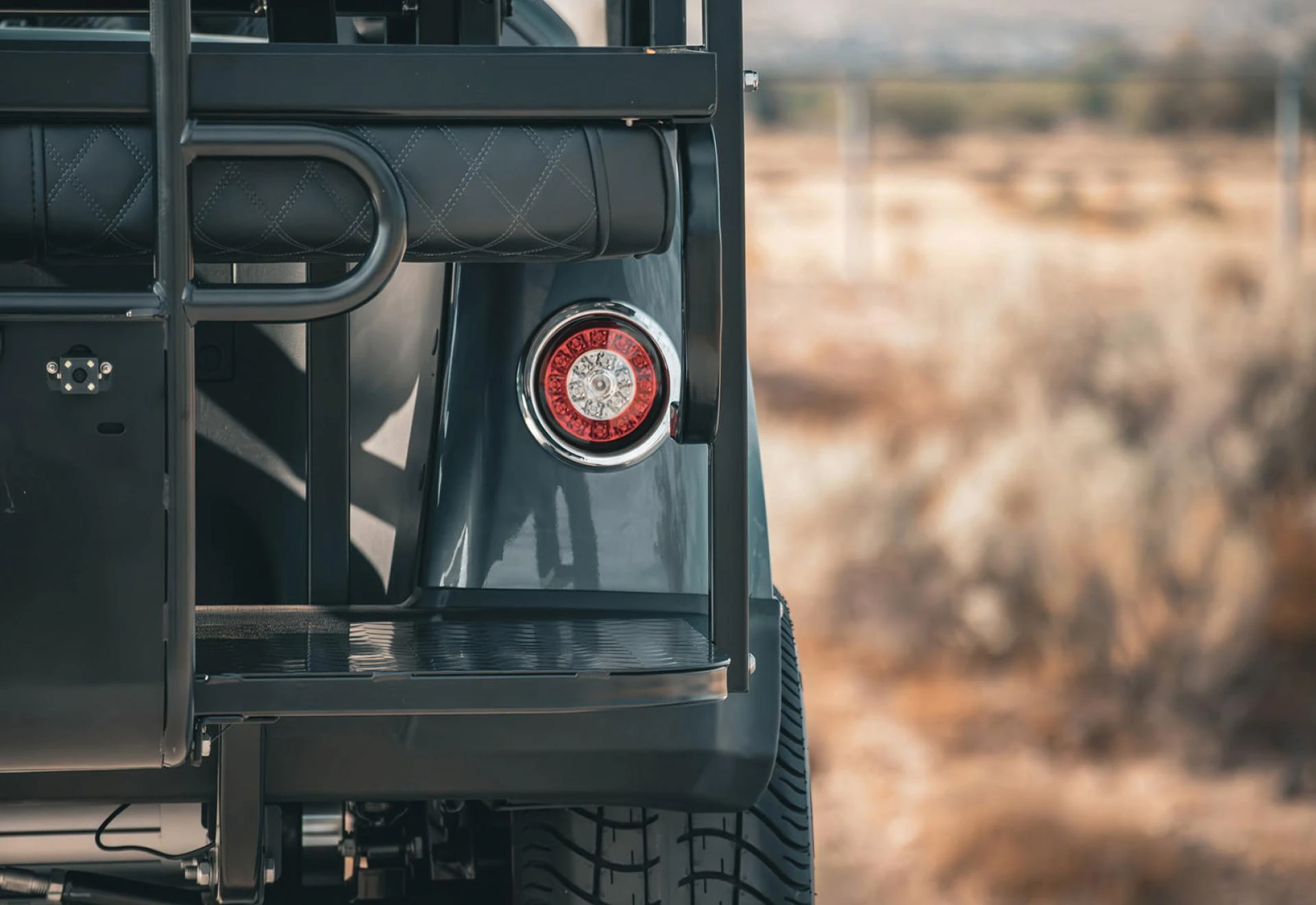
To be considered street legal in California, a golf cart must include several key safety features. These typically include headlights, brake lights, turn signals, rearview mirrors, windshield, seat belts, and a horn. Each of these components helps ensure the vehicle can safely share the road with other traffic.
Reflectors and proper lighting are also required for visibility, especially during low light conditions. Without these features, a cart cannot be registered for public road use.
Registration and DMV Requirements
Street legal golf carts must be registered with the California Department of Motor Vehicles. This process includes titling the vehicle, obtaining license plates, and ensuring it meets all Low Speed Vehicle standards.
Insurance is also required for operation on public roads. Without proper registration and insurance, even a fully equipped cart cannot legally be driven on streets.
Some local jurisdictions may have additional requirements or restrictions, so it is important to check city and county regulations as well.
Speed Limit Restrictions and Road Use Rules
Even when street legal, golf carts in California are restricted to certain types of roads. Most LSVs are allowed on roads with speed limits of 35 miles per hour or less. They are not permitted on highways or high speed arterial roads.
Local governments can also designate specific areas where carts are allowed or restricted, meaning legality can vary significantly from one city to another.
This is why understanding local ordinances is just as important as meeting state requirements.
Electric Power and Performance Standards
Most street legal golf carts are electric and must meet minimum performance requirements. This typically includes a top speed between 20 and 25 miles per hour, which aligns with federal Low Speed Vehicle standards.
Battery systems must be capable of consistent performance under normal driving conditions. Many modern carts use lithium batteries for improved range, efficiency, and reliability compared to older systems.
Popular Use Areas in California
Street legal golf carts are especially common in planned communities, retirement areas, and resort towns. Cities with slower traffic environments often integrate LSVs into everyday transportation systems.
In Central California, interest in upgraded carts has grown as well, with communities exploring alternative transportation options. In regions like Kern County, demand has increased for models such as Bakersfield street legal golf carts, especially in neighborhoods where short distance travel is practical and permitted.
Common Modifications to Meet Legal Standards
Many golf carts are upgraded to become street legal through aftermarket modifications. These upgrades include installing lighting kits, mirrors, seat belts, and turn signals. Some carts also require speed controllers or upgraded braking systems to meet safety standards.
Proper installation is important because incorrect modifications can result in failed inspections or legal issues.
Insurance and Liability Considerations
Once a golf cart is street legal, it is treated similarly to other motor vehicles in terms of insurance requirements. Liability coverage is typically required, and some owners choose additional protection depending on how and where the vehicle is used.
Insurance ensures protection in case of accidents, property damage, or injury while operating the vehicle on public roads.
Final Thoughts on Street Legal Golf Carts in California
Making a golf cart street legal in California involves more than just adding a few accessories. It requires meeting strict safety standards, completing DMV registration, and following local road regulations.
When properly equipped and registered, these vehicles offer a convenient and efficient way to travel short distances in the right environments. However, understanding the rules is essential to ensure safe and legal operation across different cities and counties.



























Sign in to leave a comment.