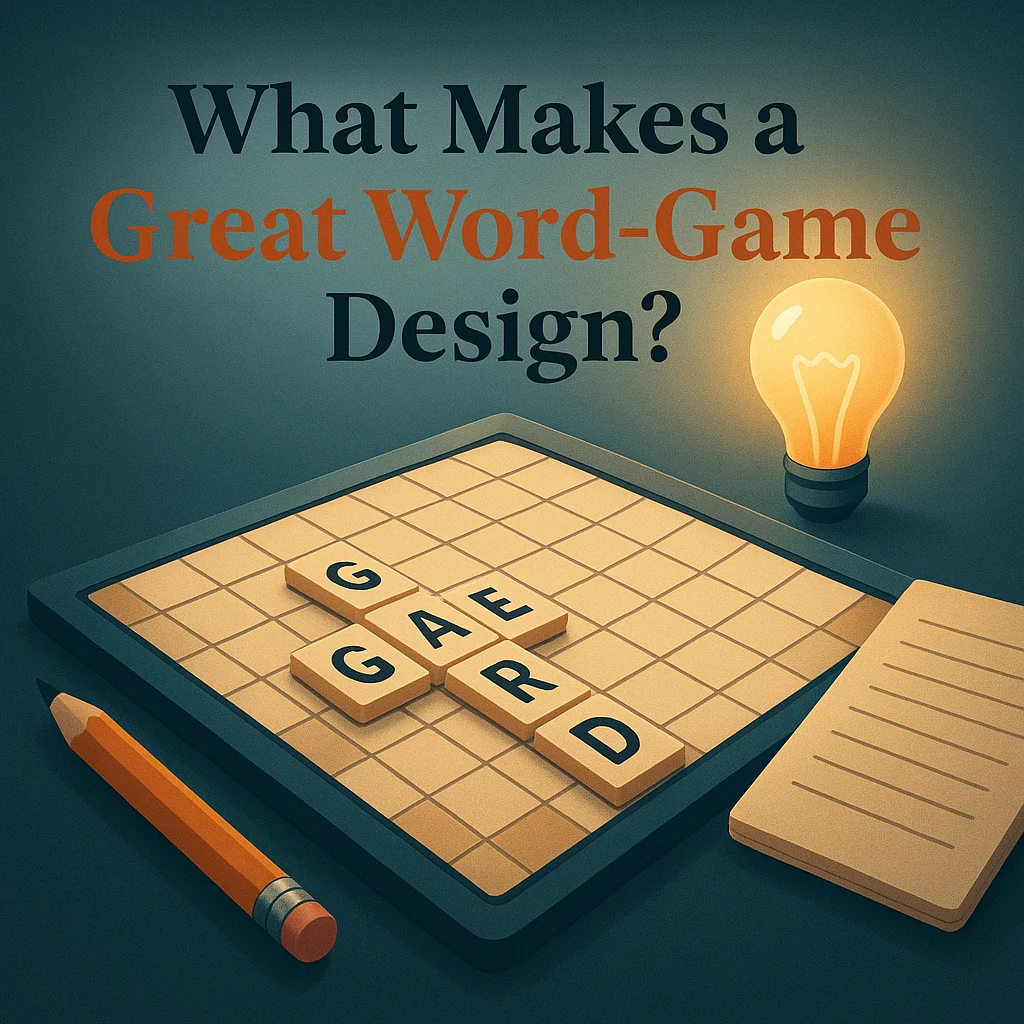

It's been over a year since I plunged into the world of word games, dissecting everything from Wordle to indie gems that barely scratch the surface of popularity. I’ve spent countless hours playing, analyzing, and writing about these puzzles. Through this journey, I've noticed three key elements that great word-game designs share. Let’s dive in.
The Power of Constraints
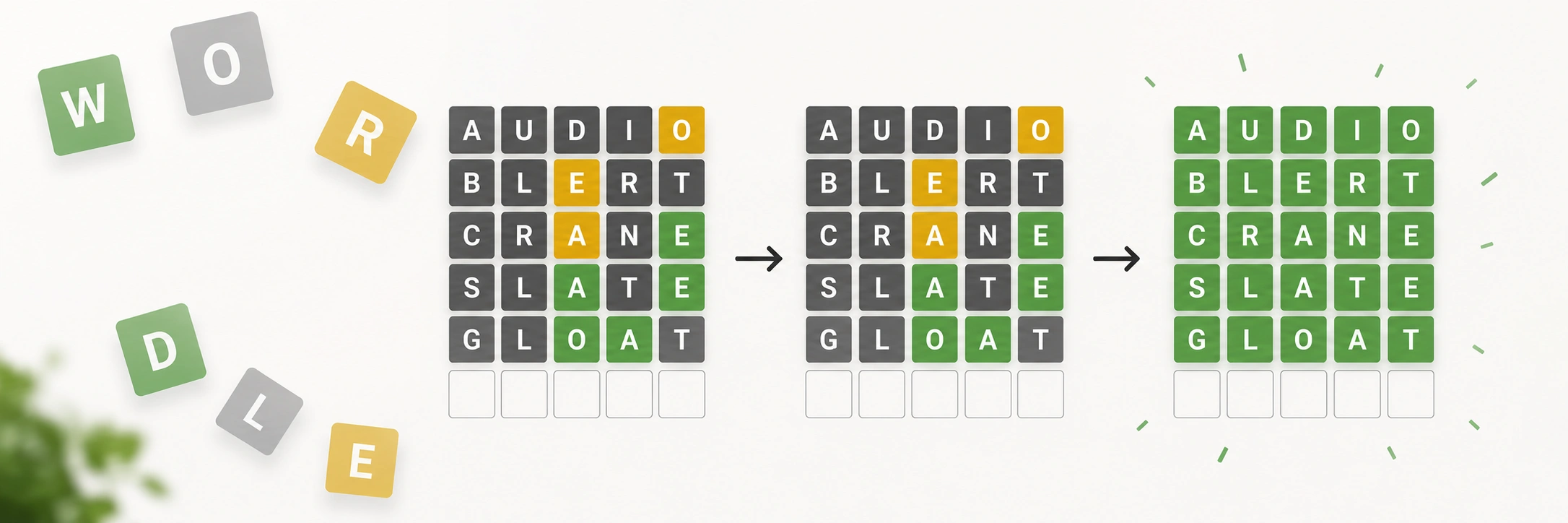
First off, let's talk about constraints. A well-designed word game thrives on them. Take Wordle, for instance. It offers a simple yet effective structure: five letters, six guesses. This tight framework forces players to think critically and strategically about every choice they make. Every letter counts. You can feel the tension build with each guess. It’s exhilarating.
Connections, another favorite of mine, applies a similar principle. Players must group words into sets of four, but the challenge lies in the limited time and the potential for missteps. The constraints compel players to make quick yet thoughtful decisions. It’s all about clarity in confusion—a beautiful paradox that keeps you coming back for more.
Shareability Without Spoilers
Next, let’s address shareability. In our social media-driven world, a game’s ability to be shared without spoilers is crucial. This is where Wordle shines again. The iconic color-square emoji format allows players to flaunt their skills without revealing the puzzle itself. You can post your results, and everyone knows immediately how well you did. It’s competitive yet respectful of the game’s integrity. You can't spoil someone else's fun while still engaging in a little friendly rivalry.
Take the Mini Crossword, too. It’s easy to share a completed grid without giving away the answers. You can even tease friends by posting a particularly tricky clue. This kind of engagement fosters community and encourages more players to join in. The balance between sharing and preserving the puzzle experience is a delicate one, but when it’s struck correctly, it can elevate a game to new heights.
A Rewarding Difficulty Curve
The third element is the difficulty curve. A great word game should reward both expertise and a touch of luck. Cody Cross is a prime example. It offers a range of clues that can be straightforward or downright cryptic. For seasoned players, it’s a satisfying challenge. Yet, for newcomers, the game still manages to provide moments of triumph, especially when a word suddenly clicks. That blend of challenge and accessibility is essential.
Connections again deserves a mention here. The initial rounds can feel forgiving, allowing players to find their footing. As you progress, however, the difficulty ramps up, demanding more from your vocabulary and cognitive skills. This gradual increase helps to build confidence while still keeping the thrill of the chase alive. It’s like climbing a mountain; the view gets better the higher you go, but the ascent requires effort.
A Bright Future
As I reflect on these elements, I'm excited about the future of mobile word-game design. Developers are becoming increasingly adept at creating games that are engaging and meaningful. They’re learning how to balance constraints, shareability, and difficulty in ways that captivate players. As technology evolves, I can only imagine the innovative approaches that will emerge in this space. For now, though, I’ll keep playing, writing, and reveling in the joy of a well-crafted word puzzle.

























Sign in to leave a comment.