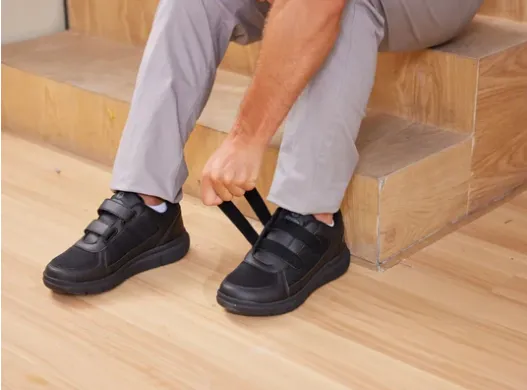

Supportive sandals for women are designed to give you real foot structure and shock absorption, not just a soft sole or fashion look. The best pairs help reduce strain on the arches, heels, knees, and lower back, making them ideal for walking, travel, standing workdays, and everyday wear. Podiatrists consistently warn that flat, unsupportive sandals can worsen conditions like plantar fasciitis and overpronation over time.
What makes a sandal truly supportive
A proper supportive sandal should include:
- Contoured arch support (not flat foam)
- Deep heel cup to stabilize your step
- Adjustable straps for swelling and foot shape changes
- Cushioned but firm midsole (not overly soft)
- Stable outsole for walking distance comfort
These features help keep your foot aligned instead of collapsing inward with every step.
Best types of supportive sandals for women
Orthopedic walking sandals
These are the most supportive category, built for all-day wear and foot pain relief.
They typically include:
- Anatomical footbeds
- Shock-absorbing soles
- Wide or extra-wide fits
- Medical-style arch support
Best for: plantar fasciitis, flat feet, arthritis, or long walking days.
Adjustable strap comfort sandals
These focus on flexibility and fit, especially useful if your feet swell during the day.
Benefits:
- Multiple adjustable straps
- Customizable tightness
- Reduced pressure points across the instep
Best for: travel, hot weather, and fluctuating foot size.
Sport-style supportive sandals
These look more athletic but are very stable for walking longer distances.
Features:
- Rugged rubber outsole for grip
- Secure heel straps
- Cushioned midsoles for impact protection
Best for: sightseeing, vacations, and active walking days.
Cushioned recovery sandals
These are designed for post-walking or recovery comfort.
Benefits:
- Extra shock absorption
- Pressure-relief foam
- Very soft underfoot feel
Best for: tired feet after work, workouts, or long standing shifts.
Common mistakes to avoid
- Flat fashion sandals with no arch support
- Overly soft foam with no structure
- Tight single-strap designs that press on the forefoot
- Buying longer size instead of better support
- Ignoring heel stability (very important for balance)
Podiatrists note that poor sandal support can contribute to foot, knee, and back pain over time.
Who benefits most from supportive sandals
Supportive sandals are especially helpful if you have:
- Heel pain or plantar fasciitis
- Flat feet or low arches
- Bunions or forefoot pressure
- Long hours of walking or standing
- Swollen feet or circulation issues
Even without foot conditions, many people switch to supportive sandals for reduced fatigue and better posture.
Final takeaway
The best supportive sandals for women combine structured arch support + heel stability + adjustable fit + cushioning that doesn’t collapse. The goal is simple: your feet should feel supported, not just padded, even after hours of walking.


























Sign in to leave a comment.