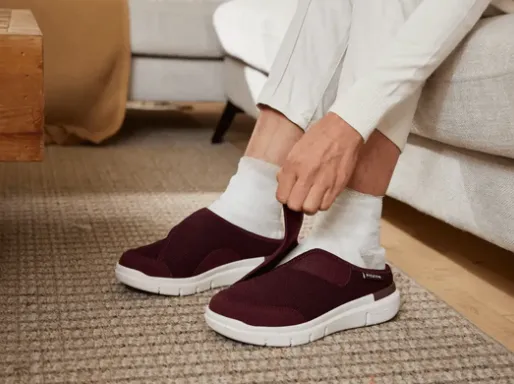

Living with diabetes can make everyday foot care much more important than many people realize. Swelling, nerve sensitivity, reduced circulation, and pressure-related discomfort can all affect the way your feet feel throughout the day. That’s why choosing the right diabetic shoes is not just about style — it’s about protection, comfort, and long-term foot health.
Men’s diabetic shoes are specially designed to reduce pressure points, improve stability, and provide a more supportive walking experience. Whether you spend long hours standing, enjoy daily walks, or simply want more comfort during everyday activities, the right pair of shoes can make a major difference.
In this guide, we’ll explain what diabetic shoes are, what features matter most, and how to choose the best pair for your lifestyle.
What Are Diabetic Shoes?
Diabetic shoes are supportive footwear designed to help reduce foot irritation and improve overall comfort for people managing diabetes. Unlike standard sneakers or casual shoes, diabetic footwear is built with features that help minimize rubbing, pressure buildup, and instability.
Many diabetic shoes include:
- Extra depth for custom insoles or swelling
- Wide toe boxes to reduce crowding
- Soft interiors that help prevent friction
- Cushioned midsoles for shock absorption
- Slip-resistant outsoles for better traction
- Adjustable closures for a secure fit
These design elements can help improve comfort during walking and daily movement while supporting healthier foot conditions overall.
Why Proper Footwear Matters for Diabetes
People with diabetes may experience foot-related issues such as:
- Swollen feet
- Neuropathy or nerve sensitivity
- Reduced circulation
- Bunions or hammertoes
- Balance and stability concerns
- Increased risk of skin irritation
Shoes that are too tight, stiff, or unsupportive can worsen discomfort and create unnecessary pressure. Proper diabetic footwear helps reduce these risks while making everyday walking more comfortable.
Supportive shoes may also help improve posture and reduce fatigue in the knees, hips, and lower back.
Key Features to Look for in Men’s Diabetic Shoes
1. Wide Toe Box
A roomy toe area allows your toes to spread naturally and helps reduce pressure on bunions, swelling, and overlapping toes.
Men with wider feet often benefit from shoes available in wide widths such as 2E, 4E, or even 6E.
2. Cushioning and Shock Absorption
Walking on hard surfaces can increase foot fatigue. Cushioned midsoles help absorb impact and reduce stress on sensitive areas of the foot.
Look for shoes with:
- EVA foam midsoles
- Air cushioning
- Responsive cushioning systems
- Soft removable insoles
Good cushioning can make long walks and standing periods much easier on the body.
3. Adjustable Fit
Feet can swell throughout the day, especially after extended standing or walking. Shoes with adjustable straps or laces allow a more flexible fit.
Velcro strap shoes are especially helpful for:
- High insteps
- Swollen feet
- Limited mobility
- Easy on-and-off wear
4. Seam-Free Interior
Interior seams may create friction that leads to irritation or discomfort. Many diabetic shoes use smooth linings and padded interiors to reduce rubbing.
Soft linings also improve comfort when wearing shoes for extended hours.
5. Slip-Resistant Outsole
Traction is important for preventing slips and improving walking confidence. Rubber outsoles with anti-slip tread patterns provide better grip on indoor and outdoor surfaces.
This feature is especially useful for older adults or anyone concerned about balance.
6. Arch and Heel Support
Supportive shoes help distribute pressure more evenly across the foot. Good arch support may also reduce strain on the ankles and knees.
Heel stabilization features can improve alignment and walking stability throughout the day.
Types of Men’s Diabetic Shoes
Walking Shoes
Diabetic walking shoes are designed for daily movement and long-lasting comfort. They usually feature lightweight cushioning, breathable uppers, and supportive soles.
These are ideal for:
- Daily errands
- Exercise walking
- Travel
- Long standing hours
Slip-On Shoes
Slip-on diabetic shoes offer convenience and easy wear. Many feature stretchable uppers and flexible collars for comfort.
These are popular for casual daily use and indoor wear.
Strap Closure Shoes
Shoes with Velcro or hook-and-loop straps allow easier adjustment throughout the day.
They are especially helpful for men dealing with swelling or reduced hand mobility.
Sandals for Diabetes
Diabetic sandals provide airflow and comfort in warm weather while still offering support and cushioning.
Good diabetic sandals should include:
- Adjustable straps
- Arch support
- Cushioned footbeds
- Slip-resistant soles
How to Choose the Right Size
Fit is one of the most important factors in diabetic footwear.
When shopping for diabetic shoes:
- Measure your feet at the end of the day when swelling is highest
- Leave enough room around the toes
- Avoid shoes that pinch or squeeze
- Check width options carefully
- Wear the socks you normally use when trying on shoes
A shoe that feels “almost right” may still create discomfort after several hours of wear.
Common Mistakes to Avoid
Wearing Shoes That Are Too Tight
Tight footwear can create pressure points and increase discomfort during walking.
Ignoring Width Options
Many men continue wearing standard-width shoes even when they need wide or extra-wide sizing.
A wider fit can dramatically improve comfort.
Choosing Style Over Support
Minimal cushioning or flat fashion shoes may not provide enough protection for sensitive feet.
Comfort and support should always come first.
Keeping Worn-Out Shoes Too Long
Old shoes lose cushioning and stability over time. Replacing worn footwear helps maintain comfort and support.
Tips for Daily Foot Comfort
In addition to supportive footwear, these habits may help improve overall foot comfort:
- Wear moisture-wicking socks
- Keep feet clean and dry
- Rotate shoes regularly
- Check for pressure areas after long walks
- Use supportive insoles if needed
- Avoid walking barefoot on hard surfaces
Consistent foot care combined with proper footwear can help keep feet feeling healthier and more comfortable.
Are Diabetic Shoes Only for People With Diabetes?
Not at all. Many people without diabetes also prefer diabetic shoes because of their comfort-focused design.
Men with the following conditions often benefit from diabetic footwear:
- Wide feet
- Swollen feet
- Arthritis
- Plantar fasciitis
- Flat feet
- Bunions
- Hammertoes
- Heel pain
The extra cushioning and roomy fit make diabetic shoes appealing for anyone seeking all-day comfort.
Final Thoughts
The best men’s diabetic shoes combine cushioning, support, stability, and a pressure-free fit to help keep feet comfortable throughout the day. Whether you need extra width, soft interiors, adjustable straps, or enhanced arch support, the right footwear can make walking easier and more enjoyable.
Investing in supportive diabetic shoes is not only about comfort — it’s about protecting foot health and improving everyday mobility. With the right pair, you can stay active, comfortable, and confident with every step.



























Sign in to leave a comment.