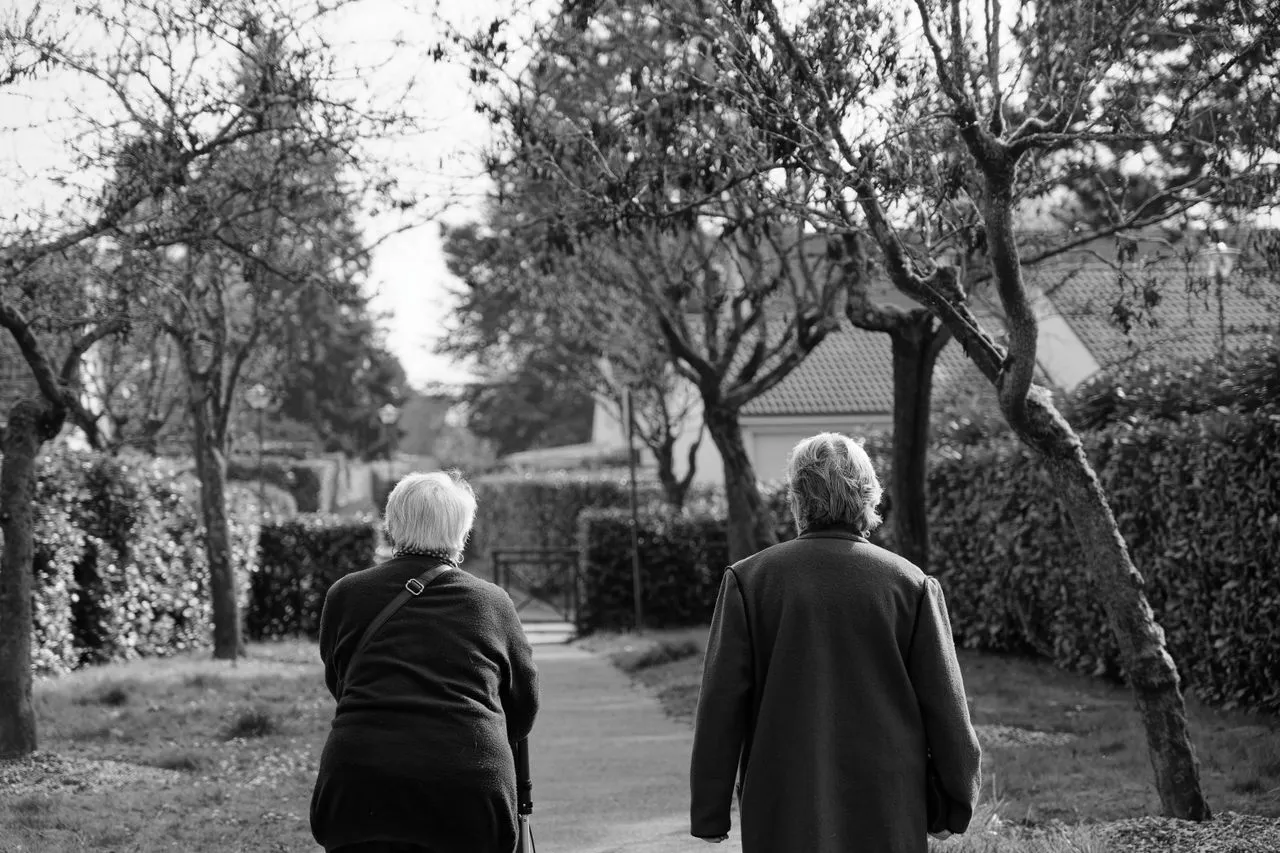

Shelter? That's the floor, not the ceiling. Actual thriving demands something far harder to build. A genuinely supportive living environment has to tackle physical, emotional, and social needs simultaneously — without grinding independence and dignity into dust along the way. What separates a setting that truly works from one that merely clears the bar? A handful of interlocked things: design with real intention behind it, staff who know what they're doing, community ties that run deeper than a newsletter, and support shaped around the individual rather than shoved at them. Nail those, and well-being tends to follow. Miss even one, and a well-funded facility can still fall completely flat.
Physical Design and Accessibility
Layout shapes daily life in ways residents feel constantly but almost never name out loud. Spaces built around accessibility let people with varying abilities move on their own, keep their routines, and skip the daily obstacle course. Good lighting. Non-slip floors. Grab bars where they're actually needed. Doorways wide enough for mobility devices, common areas arranged to draw people into movement and conversation rather than exile them to corners. Strip the barriers away, and confidence follows — along with a stronger sense of ownership over one's own day.
Temperature control, noise levels, air quality — these get less credit than they deserve. A room that's perpetually too loud or too cold chips away at sleep and relaxation over months. Natural light paired with real privacy, decent ventilation — they sound like small details. They're not. They accumulate. Cumulatively, they're what separates a place residents feel genuinely cared for from one that just warehouses them until something better comes along.
Qualified Staff and Consistent Care
The caregiving team is, frankly, the environment. Staff need training and credentials matched to what residents actually face — medical care, behavioral support, help with the most ordinary tasks. Consistency matters here more than almost anything else. When the same caregivers show up day after day, real trust develops. Staff learn preferences, quirks, unspoken concerns. High turnover obliterates that entirely. Residents end up cycling through new faces managing their most intimate needs — exhausting and deeply destabilizing for everyone involved.
Staff-to-resident ratios have to allow for genuine attention, not just triage. Training can't stop at baseline competency; it has to keep growing — communication, empathy, person-centered approaches that actually mean something in practice. When caregivers understand why someone behaves a certain way, they respond with patience rather than frustration. Settings like assisted living in Sugar Land demonstrate what happens when person-centered staffing replaces purely transactional models — routine caregiving shifts into something built on familiarity and genuine trust. That shift moves a facility out of crisis prevention and into something that actively promotes growth.
Community and Social Connection
Isolation is brutal. Full stop. It's one of the heaviest threats to well-being in any living situation, and a supportive environment has to fight it head-on. That means creating actual opportunities for connection — shared meals, activities, recreational programs that match residents' real interests and real abilities rather than generic programming nobody asked for. Some people want structured schedules. Others need loose, spontaneous interaction. A one-size approach fails both; varied options aren't optional.
But those connections can't stop at the front door. Visiting hours that genuinely welcome family and friends, volunteer programs, partnerships with local organizations — these tie residents to a world beyond the immediate building. Faith communities, hobby clubs, educational programs. Residents carry identities and roles that existed long before they moved in. Recognizing that — and actively supporting outside connections — keeps people anchored to the communities that still matter to them.
Personalization and Individualized Support
Standardized routines pushed onto everyone are a quiet form of failure. Real success means adapting to each person, not forcing each person to adapt to the system. That starts with thorough assessments: medical needs, cognitive status, emotional history, personal goals. Care plans should be genuinely individual — not boilerplate with a few names swapped in. And they must evolve as circumstances shift. Regular check-ins with residents and families mean adjustments happen before problems escalate, not after the damage is done.
Respecting daily preferences signals something important. Meal choices, privacy, how much say someone has over their own schedule — these aren't perks. They're how you communicate to someone that they're a person, not a case file. Some residents want a hand in meal prep; others don't. Some need tight structure; others wilt without flexibility. A willingness to bend within reasonable safety limits is exactly what distinguishes places where residents flourish from places where they just exist.
Conclusion
No single element carries the whole thing on its own. Physical design, capable staff, genuine community ties, individualized support — each reinforces the others, and gaps in any area drag the rest down with them. Residents thrive when they feel safe, trusted, connected, and recognized as actual individuals. The best environments don't treat people as dependent populations to be managed. They treat them as people who deserve dignity, autonomy, and real care. Attend to all these dimensions together, and something genuinely shifts. People don't just survive. They flourish.





























Sign in to leave a comment.