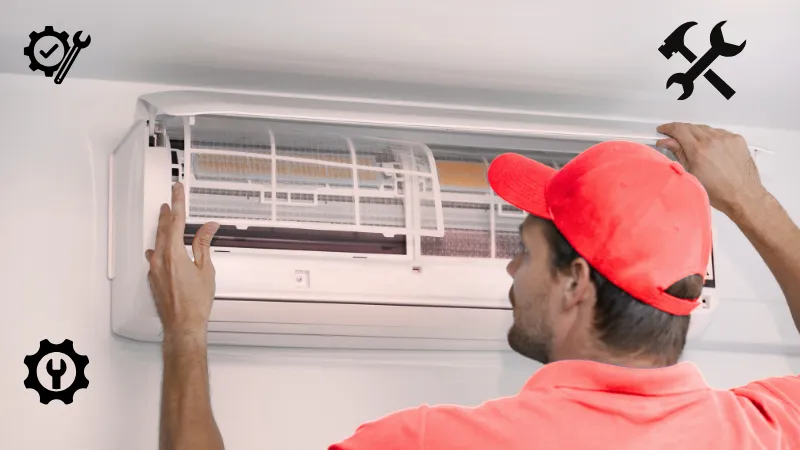

Installing a new HVAC system is not simply a matter of replacing old equipment with new components. Every home has unique heating and cooling requirements that should be evaluated before any installation begins. Factors such as the property's size, insulation, layout, ventilation, and existing mechanical systems all influence how an HVAC system will perform after installation. Professional HVAC Installation Service in Halifax begins with careful planning because decisions made before installation directly affect system efficiency, reliability, and long term performance.
Every Home Requires a Different Installation Approach
No two residential properties have identical heating and cooling demands.
A home's square footage is only one part of the evaluation. Ceiling height, insulation quality, window placement, room orientation, occupancy, and air leakage all contribute to the amount of heating or cooling required throughout the year. Existing ductwork, electrical capacity, and ventilation systems also influence equipment selection.
Proper planning allows an HVAC contractor to understand these conditions before recommending a heating or cooling solution. This creates a stronger foundation for a successful installation.
A Home Assessment Comes Before Equipment Selection
Choosing HVAC equipment without evaluating the property can lead to unnecessary performance issues.
Professional installers begin by assessing the home's current HVAC system, identifying how air moves through the property, reviewing thermostat operation, and examining the condition of supporting components. This information helps determine which type of equipment is compatible with the home's existing infrastructure.
Instead of selecting equipment based on assumptions, contractors use measurable property characteristics to guide installation recommendations.
Proper System Sizing Supports Better Performance
One of the most important planning steps is determining the appropriate equipment capacity.
An HVAC system should be sized according to the heating and cooling demands of the home rather than simply choosing the largest available unit. Equipment that is too large may cycle on and off more frequently, while equipment that is too small may operate for longer periods without maintaining consistent indoor temperatures.
Professional HVAC Installation Service in Halifax includes sizing calculations that consider multiple characteristics of the property, allowing the system to operate more effectively under changing seasonal conditions.
Halifax's Climate Should Influence Installation Planning
Local environmental conditions play an important role in HVAC system design.
Halifax experiences cold winters, humid summers, coastal moisture, and changing weather throughout the year. Heating systems often operate for extended periods during winter, while cooling equipment must manage humidity as well as temperature during the summer months.
Professional planning considers these local conditions when recommending equipment, selecting installation locations, and evaluating system performance requirements. Understanding Halifax's climate helps contractors recommend HVAC systems that are appropriate for year round residential use.
Existing HVAC Components Need to Be Evaluated
A new HVAC installation often involves more than replacing the main unit.
Contractors inspect ductwork, ventilation pathways, thermostat controls, electrical connections, refrigerant lines where applicable, and indoor air quality equipment to determine whether these components remain suitable for the new system. Addressing compatibility during the planning stage helps avoid installation delays and supports reliable operation after the project is complete.
Looking at the complete HVAC system rather than one piece of equipment allows installation decisions to be based on the property's overall condition.
Planning Helps Create a More Efficient Installation Process
Preparation improves both installation quality and project efficiency.
When contractors complete assessments before installation day, they can identify equipment requirements, confirm material needs, plan installation procedures, and anticipate any adjustments that may be necessary. This organized approach reduces uncertainty during the project and allows work to progress more efficiently.
Careful preparation also gives homeowners a better understanding of what to expect before installation begins.
The Right HVAC Company Adds Long Term Value
Selecting an experienced HVAC company involves more than comparing estimates.
A professional company provides clear explanations, performs detailed property evaluations, follows manufacturer recommendations, and supports homeowners after installation through inspections and maintenance. Companies that focus on long term system performance help homeowners protect their investment long after the installation is complete.
Working with one provider throughout the life of the HVAC system also creates a consistent maintenance history that supports future service decisions.
Installation Is the Beginning of System Care
Once a new HVAC system is installed, regular maintenance becomes part of protecting its performance.
Professional HVAC Service Halifax allows technicians to inspect equipment, monitor operating conditions, evaluate airflow, and identify normal wear as the system ages. Routine maintenance complements a quality installation by helping the equipment continue operating according to manufacturer recommendations.
Installation establishes the foundation, while ongoing service supports reliable heating and cooling throughout the system's lifespan.
Across Halifax, Bedford, and surrounding Nova Scotia, Clim A.G provides professional HVAC Installation Service in Halifax, along with inspections, maintenance, and complete residential heating and cooling solutions. Every installation begins with a detailed assessment so equipment recommendations are based on the home's actual heating and cooling requirements rather than assumptions.
Conclusion
Successful HVAC Installation Service in Halifax begins long before new equipment arrives at a property. A complete home assessment, proper system sizing, evaluation of existing components, and consideration of Halifax's climate all contribute to a well planned installation. When these steps are combined with ongoing maintenance and professional support, homeowners are better positioned to enjoy dependable heating and cooling for years to come.























Sign in to leave a comment.