

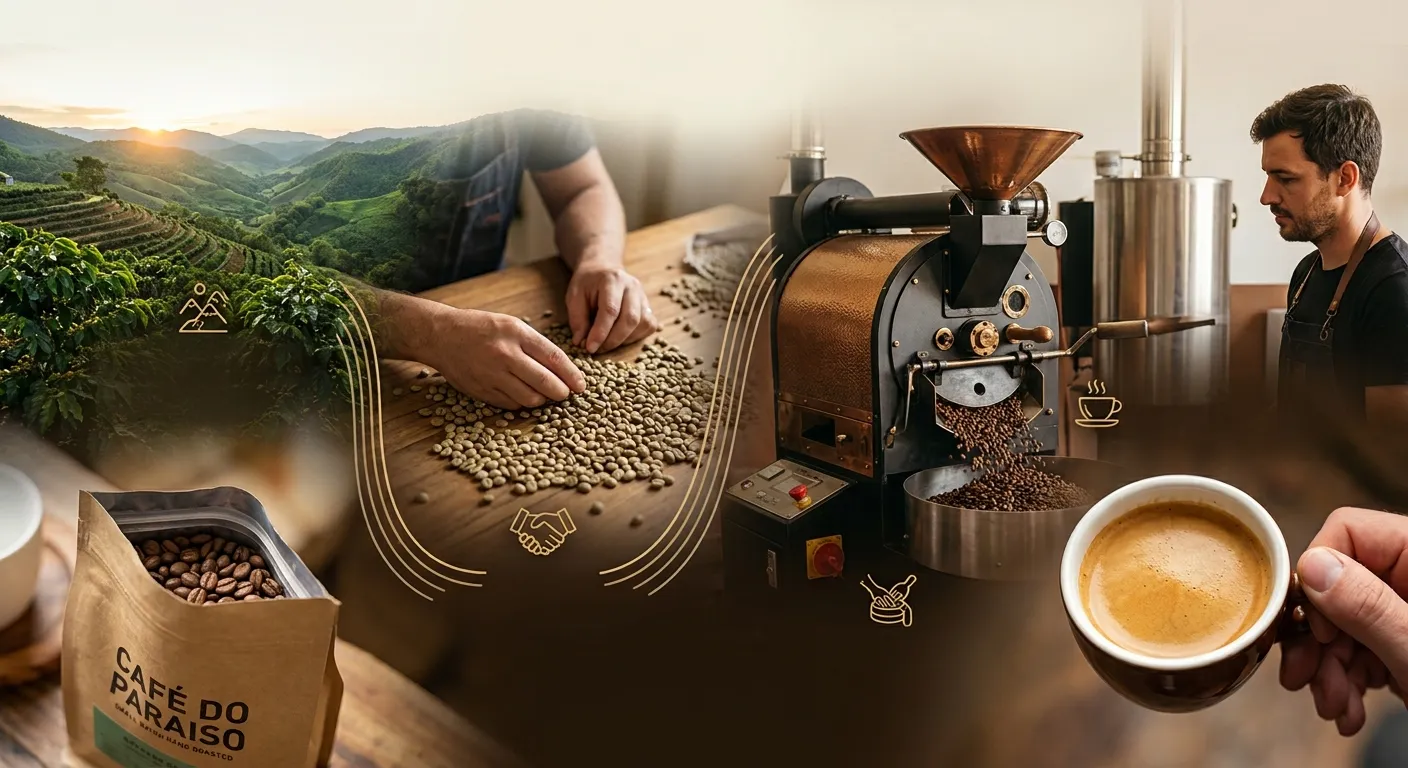
The word "specialty" gets used loosely in coffee marketing, but true specialty-grade coffee is defined by real, measurable standards — from how the beans are grown to how they're roasted and delivered to your cup. Here's what actually separates specialty coffee from the average grocery store bag.
It Starts With Sourcing
Specialty coffee begins at the farm. High-quality beans are often grown at higher elevations, where cooler temperatures slow the ripening process and allow more complex sugars and flavors to develop in the cherry. Many specialty roasters prioritize beans from organically certified farms, farmer cooperatives, and FairTrade-certified sources, which often means more sustainable growing practices and better traceability back to the specific farm or region the coffee came from.
Direct Relationships With Importers and Farms
Beyond certifications, specialty roasters typically build direct, ongoing relationships with importers and, in some cases, the farms themselves. This matters because it allows roasters to be selective — choosing specific lots based on cup quality rather than buying generic commodity-grade beans in bulk. It also means more detailed information is available about elevation, processing method, and growing conditions, all of which shape the final flavor.
Roasting: Craft Over Automation
Mass-produced coffee is often roasted using fully automated, standardized profiles designed for speed and consistency across huge volumes. Specialty roasters, by contrast, tend to roast in small batches — sometimes by hand, without relying purely on profiling software — adjusting the process for each specific lot of beans. This hands-on approach lets a roaster bring out the unique characteristics of a particular origin rather than flattening every bean into the same generic flavor.
Freshness From Roaster to Cup
Even the best-sourced, best-roasted coffee loses quality if it sits too long before reaching the drinker. Specialty roasters generally roast in smaller, more frequent batches and ship quickly, so coffee reaches customers within days or a couple of weeks of roasting rather than months. This freshness is one of the most noticeable differences between specialty coffee and mass-market coffee that's been sitting in a warehouse.
Why It's Worth Paying Attention To
Understanding what goes into specialty-grade coffee — sourcing, direct relationships, hands-on roasting, and freshness — helps explain why it tastes so different from what you'll find in a standard grocery aisle. It's not just marketing language; it reflects a genuinely different process from farm to cup.
Final Thoughts
Specialty coffee is the result of deliberate choices at every step, not a marketing label slapped on a bag. If you want to taste that difference for yourself, Cafe do Paraiso sources coffee from organically certified farms, cooperatives, and FairTrade-certified regions, and roasts everything by hand in small batches at their Las Vegas roastery. Learn more about their sourcing and roasting process on their about page, or browse their full coffee selection at cafedoparaiso.com/shop.



























Sign in to leave a comment.