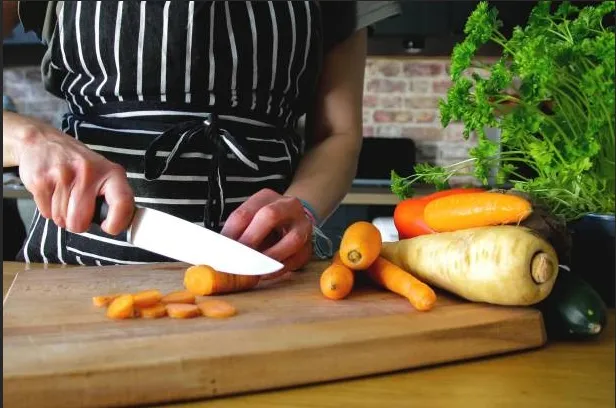

A cutting board is something most of us use every day, yet it's often one of the last kitchen tools we think carefully about buying. Many people choose the least expensive option they can find, assuming every wooden board performs the same. Over time, though, they may notice deep knife marks, warping, loose joints, or surfaces that no longer feel safe or enjoyable to use.
That's where handmade cutting boards stand apart. They aren't simply decorative kitchen accessories or luxury items. When built by skilled craftspeople using quality hardwoods, they offer better durability, thoughtful design, and a level of craftsmanship that's difficult to achieve through mass production.
If you're wondering whether they're worth the extra investment, the answer depends on what you expect from your kitchen tools. This guide explains the features that make handcrafted boards different and why many home cooks consider them a purchase that continues to pay off for years.
Key Takeaways
- Handmade cutting boards are carefully crafted with attention to material selection and construction.
- Quality hardwood boards offer greater durability and stability than many low-cost alternatives.
- Good craftsmanship helps protect both the board and your kitchen knives.
- Handmade boards often serve multiple purposes, from food preparation to entertaining.
- Choosing the right board depends on your cooking habits, kitchen space, and long-term needs.
Why More Home Cooks Are Investing in Handmade Cutting Boards
Cooking at home has become about more than simply preparing meals. Many people now spend more time experimenting with recipes, baking bread, hosting family dinners, and creating food that brings people together. As cooking becomes a bigger part of daily life, the tools used in the kitchen naturally become more important.
Rather than replacing inexpensive boards every few years, many home cooks prefer to invest in one well-made board that performs consistently over time. A quality handmade board doesn't just last longer. It feels more stable during food preparation, often looks better with age, and can easily move from the kitchen counter to the dining table.
For many buyers, the value comes from using something built with care instead of something designed primarily for mass production.
What Makes Handmade Cutting Boards Worth the Investment?
High-Quality Hardwood Makes a Difference
One of the biggest differences between handmade and factory-produced boards is the choice of material.
Experienced woodworkers usually build their boards from carefully selected hardwoods because they provide the right balance of strength, durability, and knife friendliness. Hardwoods such as walnut, maple, cherry, and white oak are dense enough to withstand years of chopping without becoming excessively rough or unstable.
Not every hardwood behaves exactly the same, but quality hardwood boards generally resist wear better than softer woods that can develop deep grooves more quickly. Those grooves don't just affect appearance. They can also make the surface harder to clean and maintain over time.
Good wood selection is about more than choosing an attractive grain pattern. It ensures the board performs well through years of regular use.
Skilled Craftsmanship Creates a Better Board
The materials matter, but so does the way they're put together.
Building a quality cutting board involves much more than gluing pieces of wood together. Skilled craftspeople carefully match grain direction, inspect each piece for stability, create strong joints, sand every surface thoroughly, and apply food-safe finishes that protect the wood while allowing its natural beauty to show.
Small details often separate an average board from an exceptional one. Smooth edges make the board comfortable to handle. A perfectly flat surface prevents rocking while cutting. Well-fitted joints reduce the chance of gaps forming as the wood naturally expands and contracts with changes in humidity.
These may seem like minor details individually, but together they contribute to a board that feels solid, dependable, and enjoyable to use every day.
Better for Your Kitchen Knives
Many people focus on protecting the cutting board without realizing the board also plays an important role in protecting their knives.
Hard surfaces like glass, marble, granite, or ceramic may look attractive, but they quickly dull knife edges because they provide almost no give when the blade makes contact.
Wood behaves differently.
A proper handmade cutting board absorbs some of the force from repeated chopping, helping reduce unnecessary wear on the knife edge. This means quality knives often stay sharper for longer, reducing the need for frequent sharpening and helping maintain cleaner, more controlled cuts while preparing food.
The combination of durable hardwood and careful construction creates a surface that's strong enough for daily use without being unnecessarily harsh on your kitchen tools.
Designed for Everyday Use and Entertaining
One of the reasons handmade boards continue to grow in popularity is their versatility. A well-crafted board doesn't need to stay hidden in a drawer after meal preparation. It can just as easily be used to serve fresh bread, cheeses, charcuterie, fruit, or appetizers when guests arrive.
Many artisan cutting boards feature beautiful grain patterns, contrasting wood species, and carefully shaped edges that make them suitable for both practical kitchen work and table presentation.
Instead of owning separate boards for preparing food and serving it, many homeowners prefer one quality board that does both jobs equally well. This not only saves storage space but also allows the craftsmanship and natural beauty of the wood to become part of the dining experience.
Every Handmade Board Has Its Own Character
One of the biggest advantages of buying a handcrafted board is knowing that no two pieces are exactly alike.
Wood is a natural material, so every plank has its own grain, color variation, knots, and markings. Skilled woodworkers don't try to hide these characteristics. Instead, they work with them to create boards that are both functional and visually appealing.
That doesn't mean appearance comes before performance. A well-made, handcrafted board is designed to handle everyday food preparation first, while its natural grain simply adds character that mass-produced products often lack.
This is one reason many people appreciate artisan cutting boards. They combine practical use with craftsmanship, giving you a kitchen tool that feels personal rather than identical to thousands of others.
How to Choose a Handmade Cutting Board That Will Last
- Choose a reliable hardwood. Maple, walnut, cherry, and white oak are commonly used because they balance durability with knife friendliness. A maple cutting board is a strong choice for frequent cooking because its fine grain creates a smooth, dependable work surface.
- Inspect the joints and surface. The wood pieces should fit tightly without visible gaps, raised edges, or uneven areas. The board should sit flat and feel smooth across the entire surface.
- Check the finish. A quality board should be treated with a food-safe oil or conditioner. Avoid thick coatings that may chip or peel after repeated washing.
- Match the size to your kitchen. Think about your counter space, storage, and the amount of food you usually prepare. Custom cutting boards can be especially useful for kitchen islands, small counters, large meal preparation, or unusual storage spaces.
- Consider weight and thickness. A thicker board usually feels more stable, but it may also be harder to lift and clean. Choose a weight you can handle comfortably.
- Buy from a trusted maker. A reliable craftsperson should clearly explain the wood species, finish, construction, and care instructions.
Choosing carefully from the start helps you find a board that is practical, durable, and suited to the way you cook.
Conclusion
A handmade cutting board is more than a place to chop vegetables. It's a tool you'll reach for almost every day, so its quality matters. From carefully selected hardwoods to skilled craftsmanship and thoughtful design, these boards are built to provide dependable performance while adding character to your kitchen. When you choose a board that's made with care, you're investing in something that can serve your family for many years.
If you're looking for handcrafted wooden boards that combine durability, functionality, and timeless craftsmanship, explore the collection at YAK-A-TAK BOARDS.
FAQs
Do handmade cutting boards require more maintenance than factory-made boards?
No. They generally require the same basic care, such as hand washing, drying immediately, and occasional oiling. The difference is that a well-made handmade board often responds better to proper maintenance and can stay in excellent condition for many years.
Can a scratched, handmade cutting board be restored?
Yes. Light knife marks are normal and can often be reduced by lightly sanding the surface and applying a food-safe board conditioner or mineral oil. Many quality handmade boards can be refreshed several times during their lifespan.
Are artisan cutting boards suitable for professional kitchens?
Yes. Many professional chefs use handcrafted wooden boards because they offer durability, stability, and a surface that's kinder to knife edges. The best choice depends on the kitchen's volume of use and sanitation requirements.
Should I own more than one wooden cutting board?
If you cook regularly, having two or more boards can be helpful. For example, you might use one for everyday food preparation and another for serving bread, cheese, or charcuterie when entertaining. This can make meal preparation more organized and convenient.

























Sign in to leave a comment.