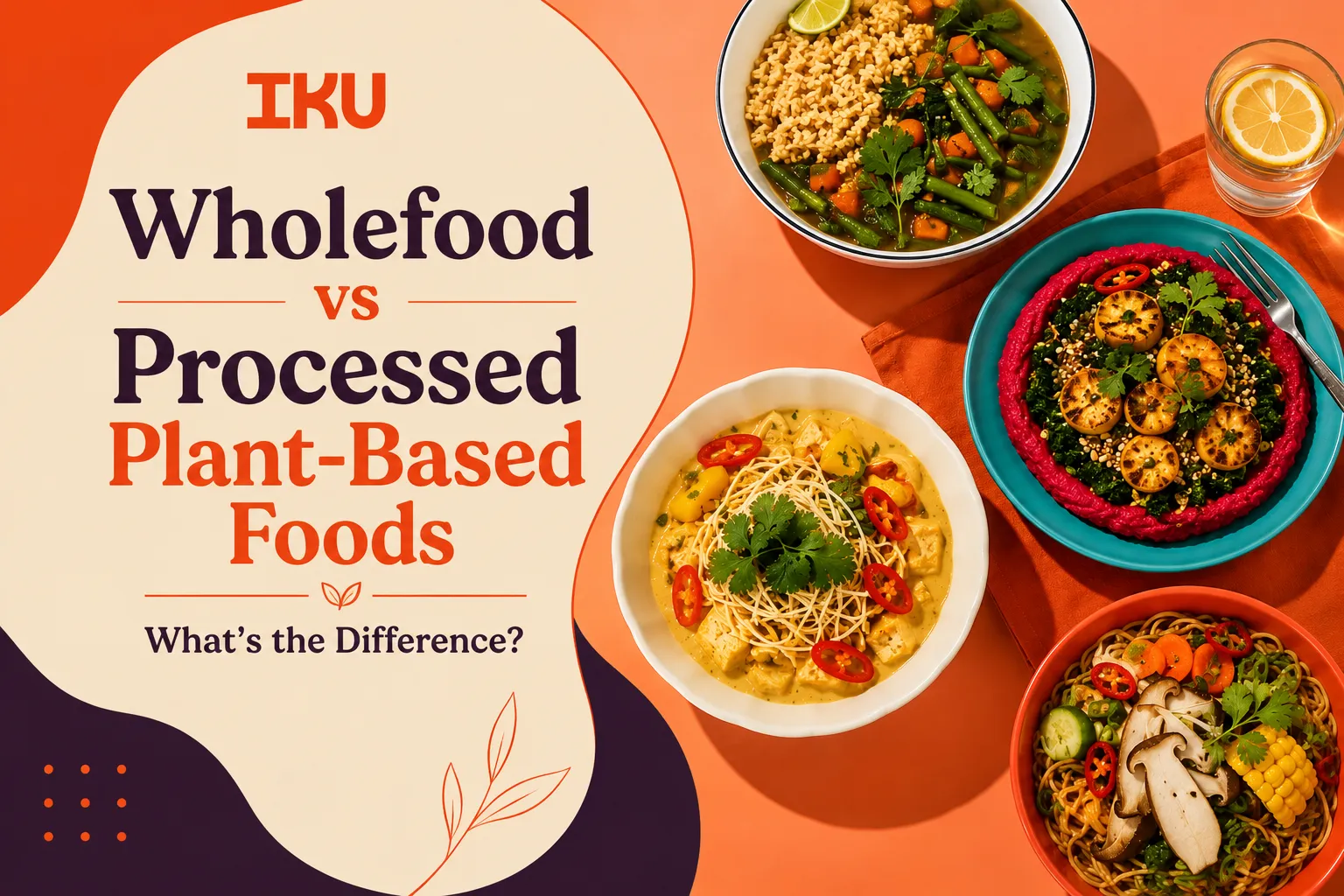

Choosing plant-based foods does not always mean choosing whole, minimally processed ingredients. With supermarkets, cafés, takeaway restaurants and meal-delivery services offering more vegan and plant-based options than ever, understanding the difference can help you make more informed everyday food choices.
A plant-based burger, packaged snack and vegetable-based meal may all be suitable for someone following a vegan diet, but their ingredients, nutritional profiles and levels of processing can be very different.
For busy Australians, the goal isn't necessarily to avoid processed food. Instead, it is about understanding where different foods fit into a balanced eating pattern and how to choose convenient options without losing sight of nutritional quality.
This guide explains the difference between wholefood plant based foods and highly processed plant-based products, what to look for on food labels, and how you can make healthy vegan eating more practical when life gets busy.
What Are Wholefood Plant Based Foods?
Wholefood plant based foods are foods that come primarily from plants and remain relatively close to their natural or original form.
Common examples include:
- Vegetables and leafy greens
- Fresh and frozen fruits
- Beans and lentils
- Chickpeas
- Whole grains
- Nuts and seeds
- Tofu and tempeh
- Herbs and pices
The focus is not simply on avoiding meat, dairy or other animal products. Instead, a wholefood approach prioritises a wide variety of plant foods as the foundation of meals.
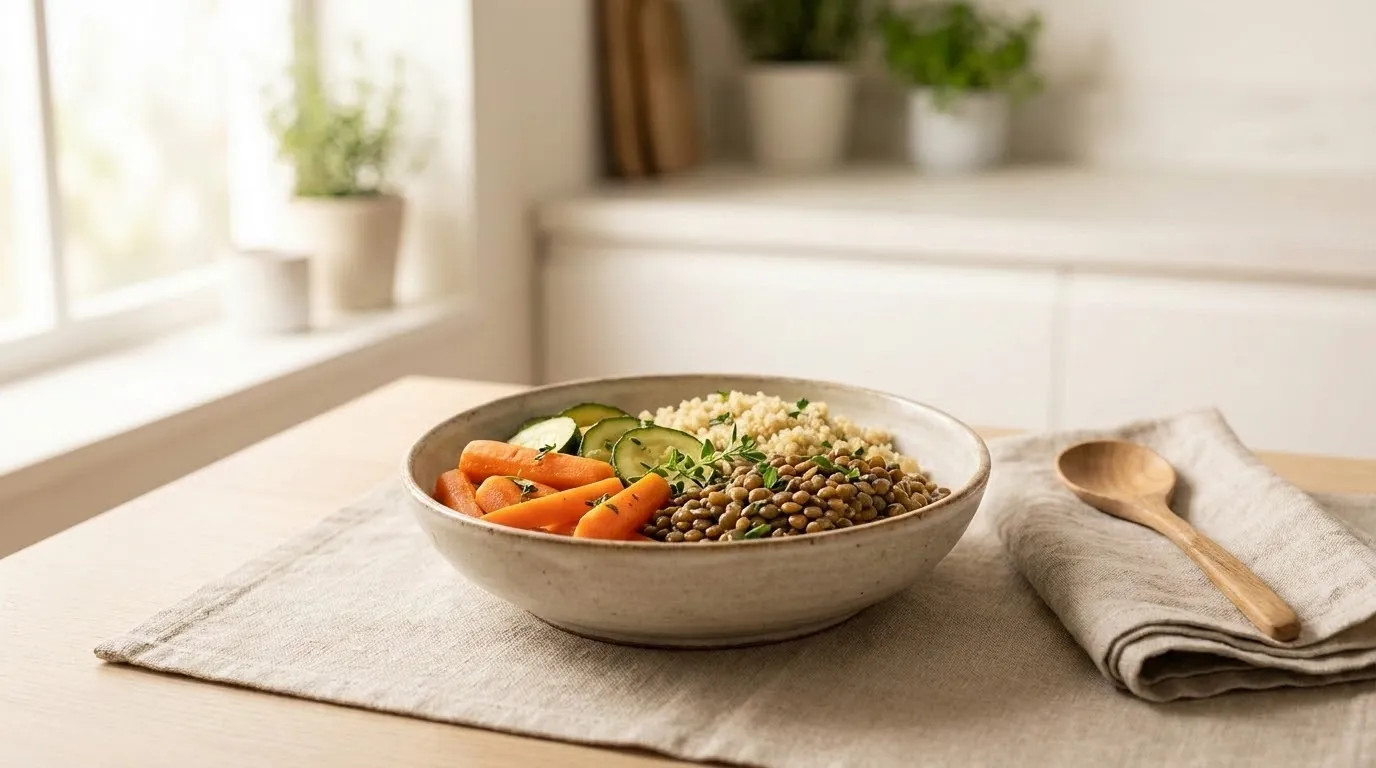
For example, a meal containing lentils, brown rice, roasted vegetables, leafy greens and seeds combines several minimally processed plant ingredients. It can provide carbohydrates, plant protein, fibre, healthy fats and a range of vitamins and minerals.
Wholefood eating also does not mean that everything must be completely unprocessed. Cooking, soaking, fermenting, grinding and freezing are all forms of food preparation and can still be part of a nutritious diet.
What Is Processed Vegan Food?
The word “processed” can sometimes make a food sound unhealthy, but processing itself is not necessarily a problem.
Many nutritious foods are processed in some way. Oats can be rolled, chickpeas can be canned, vegetables can be frozen and soybeans can be transformed into tofu.
The bigger distinction is between minimally processed foods and foods that have undergone extensive formulation.
Highly processed plant-based foods may contain combinations of refined ingredients, oils, flavourings, sweeteners, stabilisers and other additives used to create a particular taste, texture or shelf life.
Examples can include:
- Some plant-based meat alternatives
- Vegan nuggets
- Packaged vegan desserts
- Highly flavoured snack foods
- Some ready-made convenience foods
However, it is important not to assume that all processed vegan food is unhealthy. A food's overall nutritional profile, ingredients, portion size and role within your diet are more useful considerations than simply whether it has been processed.
Wholefood vs Processed Plant-Based Foods: Key Differences
Understanding the differences becomes easier when you compare the characteristics of each type of food.
1. Ingredient Profile:
Wholefood meals generally contain recognisable ingredients.
A lentil and vegetable curry, for example, may contain lentils, vegetables, herbs, spices and grains. Each ingredient can be relatively easy to identify.
A highly formulated plant-based product may contain protein concentrates, refined oils, flavourings, stabilisers and other ingredients.
A longer ingredient list does not automatically mean a food is unhealthy. Instead, it is useful to understand what those ingredients contribute and how the product fits into the overall meal.
2. Fibre Content:
Many whole plant foods naturally provide dietary fibre.
Legumes, vegetables, fruit, whole grains, nuts and seeds can all contribute to daily fibre intake. Fibre is an important part of a balanced diet and is naturally present in many minimally processed plant foods.
Processed plant-based foods can vary considerably in fibre content. Some products may contain added fibre, while others may contain relatively little.
When comparing two convenient meals, checking the nutrition information can therefore provide more useful information than relying on a vegan or plant-based label alone.
3. Protein Sources:
Protein is available from a wide range of plant foods.
Beans, chickpeas, lentils, tofu, tempeh, nuts, seeds and some whole grains can all contribute plant protein.
A wholefood-focused meal may combine several of these ingredients. For example, tofu with vegetables and whole grains can create a filling meal without relying on a highly formulated meat substitute.
At the same time, some processed plant-based foods can also provide useful amounts of protein. The important consideration is the nutritional profile of the complete meal.
4. Added Ingredients:
One useful habit for healthy vegan eating is learning how to read ingredient lists.
If the main ingredients include vegetables, legumes, whole grains, nuts or seeds, you can quickly understand what forms the foundation of the food.
Highly formulated products may contain more ingredients designed to influence flavour, texture, colour or shelf life. This does not automatically make them unsuitable, but it gives you more information when comparing products.
Looking at protein, fibre, sodium, saturated fat and added sugars where applicable can provide a more complete picture.
5. Convenience:
Convenience is one of the biggest reasons processed and ready-made plant-based foods have become popular.
For busy Australians, preparing every meal from scratch may not always be realistic. Work, commuting, family commitments and other responsibilities can make cooking three meals a day difficult.
Having convenient plant-based meals available can make it easier to maintain healthier habits when time is limited.
For example, the Creamy Berry Bircher Bowl can provide a convenient breakfast option featuring oats, berries, coconut and a nut-and-seed topping.
Is a Wholefood Diet Always Better?
A wholefood diet can be an excellent way to increase your intake of vegetables, legumes, whole grains, fruit, nuts and seeds
However, healthy eating does not have to be an all-or-nothing approach.
Someone who eats mostly whole plant foods but occasionally enjoys a vegan burger or packaged snack can still have an overall nutritious eating pattern.
Likewise, someone with a demanding schedule may use prepared meals several times a week while continuing to choose foods based around nutritious plant ingredients.
The goal is not perfection. A realistic eating pattern is one that you can maintain consistently.
When choosing between plant-based foods, consider questions such as:
- What are the main ingredients?
- Does the meal contain a useful source of protein?
- Is it a source of fibre?
- Does it include a variety of plant foods?
- How much sodium does it contain?
- Is it high in saturated fat or added sugar?
- Will the meal keep you satisfied?
- Does it fit your lifestyle and dietary requirements?
These questions can help you make practical decisions without unnecessarily categorising foods as simply “good” or “bad”.
How Busy Australians Can Eat More Whole Plant Foods
Eating more whole plant foods does not necessarily require spending hours in the kitchen.
A simple strategy is to build meals around several key components.
- Start With Plant Protein: Choose foods such as lentils, beans, chickpeas, tofu or tempeh as a foundation for meals.
- Add Colourful Vegetables: Fresh, frozen or conveniently prepared vegetables can make meals more varied while helping you increase your intake of plant foods.
- Include Whole Grains: Brown rice, oats, quinoa and other whole grains can provide carbohydrates and additional nutrients.
- Add Nuts and Seeds: Nuts and seeds can add texture, flavour and plant-based fats to meals.
- Keep Convenient Options Available: One of the easiest ways to make healthy eating more realistic is to keep nutritious options available when you are short on time.
Rather than waiting until you are extremely hungry and then ordering whatever is quickest, having a ready-made plant-based meal available can make a healthier decision much easier.
Can Ready-Made Plant-Based Meals Be Part of Healthy Vegan Eating?
Yes. Ready-made meals can have a place within a balanced plant-based diet.
The important consideration is what the meal contains rather than whether it comes in a ready-made package.
For example, a convenient dish such as the Mushroom Toor Dahl can make it easier to include legumes and plant-based ingredients in your routine without having to prepare the entire meal from scratch.
This can be particularly useful for people who want to eat more plant-based meals but struggle to find enough time for meal preparation during the week.
Convenience and nutrition do not necessarily have to be opposites.
Wholefood Plant-Based Eating vs Takeaway
Takeaway food varies significantly in nutritional quality. Some meals can contain vegetables, legumes and other nutritious ingredients, while others may be higher in sodium, saturated fat or refined carbohydrates.
Another challenge is that takeaway meals can make it harder to control ingredients and portion sizes.
Cooking at home gives you more control, but it also requires planning, grocery shopping, preparation and cleaning.
This is where convenient plant-based meals can provide a practical middle ground.
For example, Shiitake, Edamame & Tofu Udon Noodles can provide a quick plant-based meal option for someone who wants an alternative to ordering takeaway after a busy day.
The purpose is not to suggest that takeaway should never be eaten. Instead, having nutritious alternatives available can make it easier to maintain consistency throughout the week.
How to Read a Plant-Based Food Label
When comparing plant-based products, don't rely solely on the words “vegan”, “plant-based” or “natural” on the front of the package.
Take a closer look at the ingredient list and nutrition panel.
- Check the Main Ingredients: Ingredients are generally listed by weight, so the beginning of the list can help you understand what makes up most of the product.
- Look at Protein: If you are choosing a meal, consider whether it provides a suitable source of protein.
Legumes, tofu, tempeh, nuts, seeds and other plant ingredients can contribute to your protein intake. - Check Fibre: Foods containing legumes, whole grains, vegetables, fruit, nuts and seeds can help increase dietary fibre.
- Consider Sodium: Some highly formulated foods can contain considerable amounts of sodium. Comparing similar products can help you make a more informed choice.
- Look at Saturated Fat and Added Sugar: Depending on the product, these can also be useful nutrients to compare.
Rather than focusing on one number, consider the entire nutritional profile of the meal.
Are Convenient Plant-Based Meals Always Highly Processed?
No.
A meal being prepared in advance or packaged for convenience does not automatically mean it is highly processed.
The important question is how the meal is made and what ingredients it contains.
For example, a prepared plant-based meal can still be based around vegetables, legumes, grains, tofu, herbs and other recognisable ingredients.
IKU's range includes dishes such as the Spinach & Eggplant Lasagne, providing another convenient option for people looking to incorporate plant-based meals into a busy routine.
The distinction between convenience and nutritional quality is therefore worth considering separately.
Is Tofu Processed?
Yes, tofu is processed, but that does not mean it belongs in the same category as highly formulated snack foods.
Tofu is made by processing soybeans into soy milk and then coagulating the liquid to create a solid food.
It is a traditional food that can provide plant protein and can be used in a wide range of meals.
The same general principle applies to foods such as tempeh, hummus, nut butter and some types of wholegrain bread.
This is why it is more useful to think about food processing as a spectrum rather than dividing every food into two categories: “processed” and “unprocessed”.
A Practical Approach: Think “More”, Not “Never”
A sustainable approach to plant-based eating can focus more on what you can add to your diet rather than creating a long list of foods you must completely avoid.
Try adding more:
- Vegetables
- Legumes
- Whole grains
- Fruits
- Nuts and seeds
- Different plant-based protein sources
- Variety across your weekly meal
You can also use convenient foods when they make your routine easier.
For people who want several plant-based meals available without preparing each dish individually, the IKU Best Seller Set can be a practical way to keep a variety of ready-made options available throughout the week.
This type of flexibility can make plant-based eating more achievable for people who have busy work schedules or limited time for meal preparation.
Wholefood Plant-Based Eating Doesn't Have to Be Perfect
One of the biggest misconceptions about healthy eating is that every meal needs to meet an ideal standard.
In reality, your overall eating pattern matters more than one individual meal.
You might have a wholefood-focused breakfast, a convenient prepared lunch and a home-cooked dinner. Another day might look completely different.
What matters is creating a routine that provides variety and allows you to make nourishing choices most of the time.
This flexible approach can also make it easier for people who are transitioning towards plant-based eating. Small, consistent changes can be more sustainable than attempting to completely change your diet overnight.
Frequently Asked Questions
1. What is the main difference between wholefood and processed plant-based foods?
Wholefood plant-based foods are generally closer to their original form, such as vegetables, legumes, fruits, whole grains, nuts and seeds. Processed plant-based foods have undergone additional preparation or formulation. Processing itself isn't automatically unhealthy, so the ingredients and nutritional profile should also be considered.
2. Can frozen vegetables be part of a wholefood plant-based diet?
Yes. Plain frozen vegetables can be a practical choice because freezing is primarily a preservation method. They can make it easier to keep vegetables available when fresh produce is not convenient.
3. Is plant-based food automatically healthy?
No. “Plant-based” describes the source of the food, not necessarily its nutritional quality. Some plant-based foods can be highly processed or high in sodium, added sugar or saturated fat. Looking at the ingredients and nutrition information gives you a better understanding of the food.
4. Can I eat processed vegan foods and still follow a wholefood diet?
Yes. A diet does not have to be completely free from processed foods to include a strong foundation of whole plant foods. The overall balance, frequency and nutritional quality of your food choices are more important than avoiding every processed product.
5. How can I eat more plant-based foods when I have no time to cook?
Start by keeping simple ingredients and convenient meals available. Frozen vegetables, canned legumes, whole grains and suitable ready-made plant-based meals can reduce preparation time and make it easier to maintain your routine.
Conclusion: Choose Plant-Based Foods That Fit Your Lifestyle
The difference between wholefood and processed plant-based foods is more nuanced than simply labelling one category “healthy” and the other “unhealthy”.
Wholefood plant based foods can provide a strong foundation for a varied diet, particularly when meals include vegetables, legumes, whole grains, fruits, nuts and seeds. At the same time, convenient plant-based foods can have an important role in real-world eating, particularly for people balancing work, family, commuting and other daily responsibilities.
The most practical approach is to understand what you are eating, check ingredient and nutrition information, and aim to make nutritious plant foods a regular part of your meals.
You do not have to choose between eating well and saving time.
If you are looking for convenient ways to incorporate more plant-based meals into your routine, explore IKU's plant-based meal range and discover convenient options designed to make plant-based eating easier.




























Sign in to leave a comment.