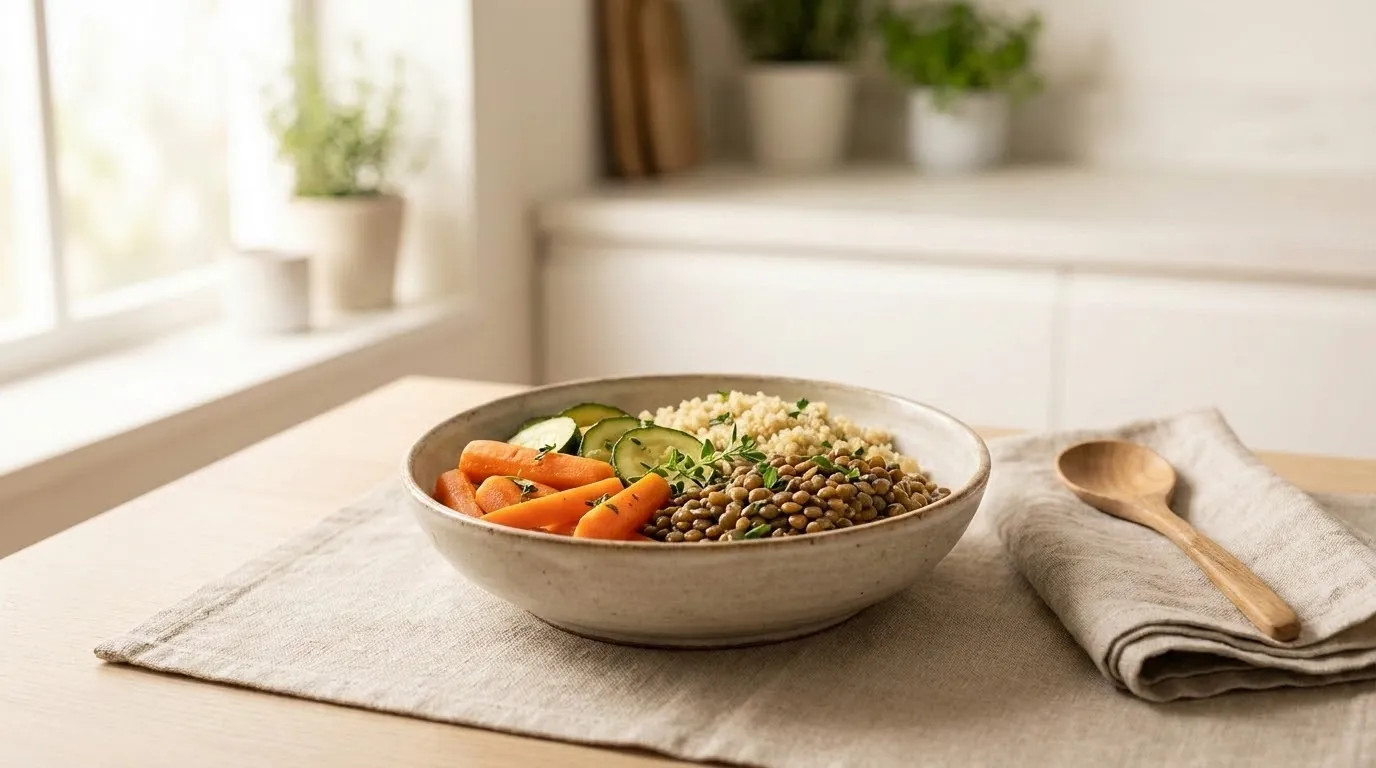

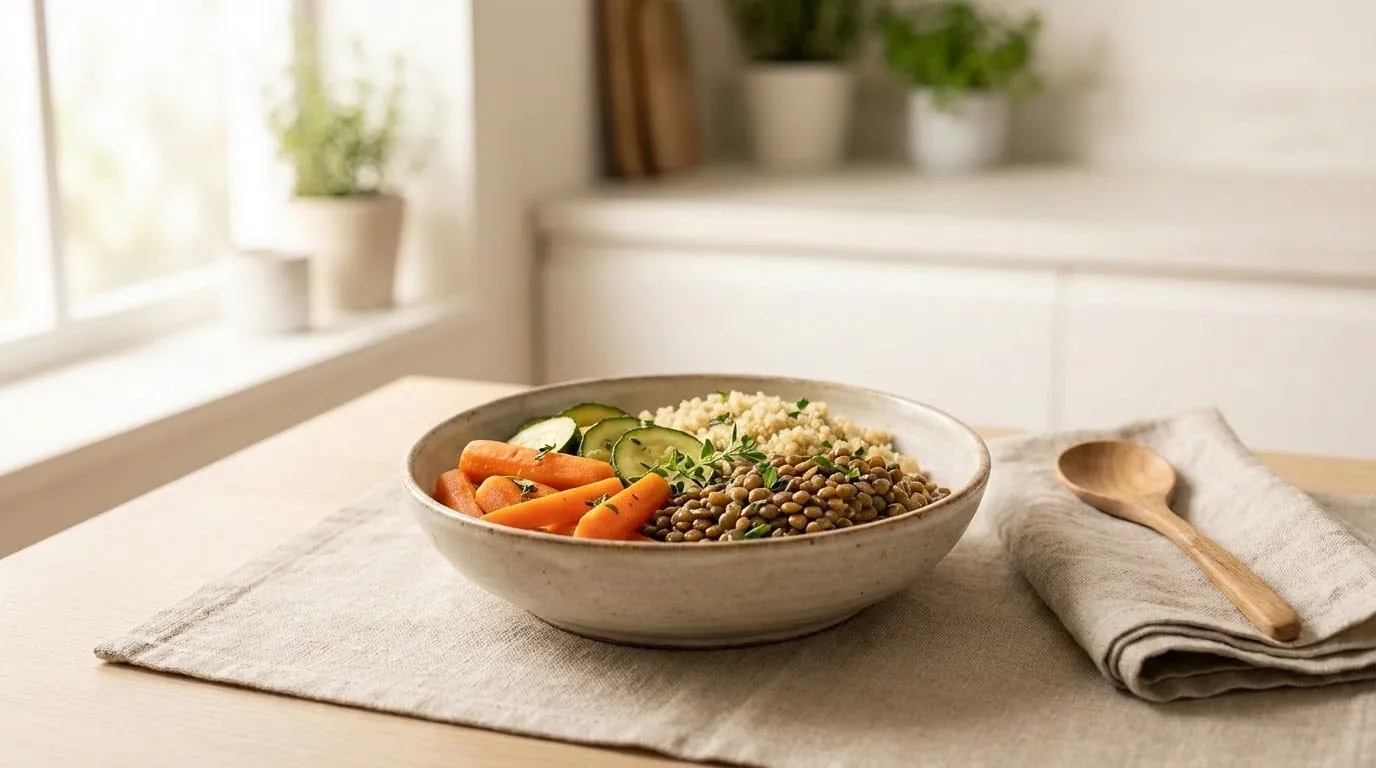
If you have ever felt the uncomfortable "balloon" of bloating or the sharp distress of IBS after a healthy-looking kale salad, you are not alone. It is a frustrating irony: the very foods we are told will heal us—legumes, cruciferous vegetables and whole grains—can sometimes feel like they are waging war on a sensitive gut.
But "plant-based" does not have to mean "pain-based". By looking toward ancient macrobiotic cooking techniques, we can transform hard-to-digest fibres into soothing, bioavailable fuel. Healing begins when we stop focusing just on what we eat and start focusing on how it is prepared.
Understanding the "Fibre Wall" in Digestive Sensitivity
For those with IBS or general digestive sensitivity, the primary culprit is often the structural integrity of plant cells. Raw plants contain complex carbohydrates and cellulose that require significant enzymatic "work" to break down.
When the gut is inflamed or sensitive, these fibres arrive in the lower intestine largely intact. There, they ferment, producing the gas and pressure we recognise as bloating.
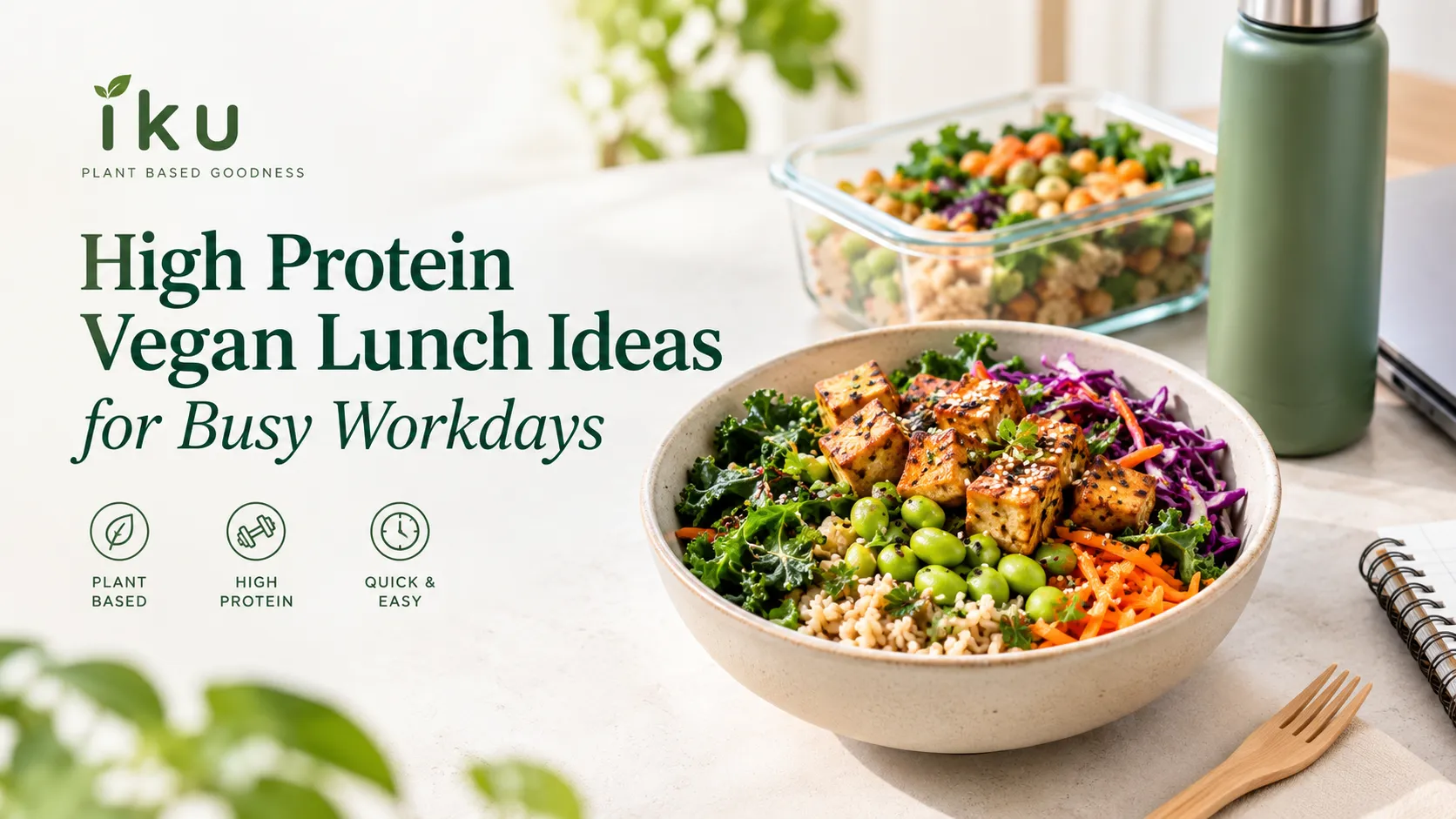
Transitioning to a plant-forward lifestyle doesn't mean you have to suffer. Many people find success by starting with a plant based meal delivery service that prioritises cooked over raw, but understanding the mechanics of digestion is the first step to personal mastery.
The Macrobiotic Secret: Cooking as "Pre-Digestion"
Macrobiotics is more than a diet; it is a system of balancing energies and, more practically, a masterclass in food preparation. The core philosophy suggests that we should use fire and pressure to "pre-digest" food before it ever hits our tongue. This approach is central to the meals provided by IKU, where the emphasis is on making whole foods as gentle as possible.
1. The Power of Pressure-Cooking Grains
Brown rice and barley are nutritional powerhouses, but their tough outer hulls (bran) are notorious for irritating the lining of a sensitive gut.
When you pressure-cook grains, the intense heat and force break down the lectins and complex starches. This process gelatinises the grain, making the nutrients instantly accessible and the texture soft enough to be gentle on the intestinal tract.
2. Soaking and Sprouting
Ancient wisdom dictates that seeds, nuts and legumes should never go straight into the pot. Soaking them for 12–24 hours neutralises phytic acid, an "anti-nutrient" that can block mineral absorption and cause distress.
3. The Role of Fermentation
Incorporating small amounts of "long-term" fermented foods like miso or shoyu provides the enzymes necessary to assist your natural digestion. This creates a symbiotic environment where the food helps digest itself.
Navigating the Legume Dilemma
Beans are often the biggest hurdle for those seeking a plant-based path. However, legumes are the cornerstone of longevity. To make them IBS-friendly, the macrobiotic approach suggests cooking them with Kombu (a sea vegetable).
Kombu contains enzymes that help break down the gas-producing oligosaccharides in beans. When combined with long, slow cooking times, even the "musical fruit" becomes a quiet, healing protein source.
If the thought of soaking, rinsing and long-boiling feels overwhelming, many customized meal services now offer low-FODMAP or macrobiotic-inspired plans. These services handle the intensive prep work so you can focus on the healing.
Strategic Meal Sequencing for a Calm Gut
How you layer your food during a meal matters just as much as the ingredients themselves. A common mistake in plant-based eating is mixing too many "heavy" items at once.
- Start with Warmth: Begin with a small cup of miso soup or warm broth to "wake up" the digestive fire.
- The 60/40 Rule: Aim for a plate that is roughly 60% cooked vegetables and grains, and 40% protein/fats.
- Chew Your Liquids: Even if you are having a blended soup, "chewing" the liquid mixes it with saliva, which contains amylase—the first step in carbohydrate digestion.
Why Customisation is the Key to Recovery
Healing is not a one-size-fits-all journey. What works for a friend might trigger a flare-up for you. This is where the value of customized meal services becomes apparent.
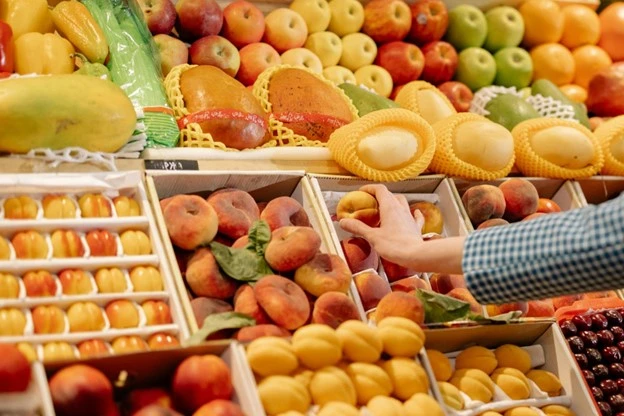
By tailoring your intake to exclude specific triggers—like onion, garlic or high-fructose fruits—while still utilising macrobiotic cooking methods, you allow your gut lining the "boredom" it needs to repair itself. When the digestive system isn't constantly reacting to irritants, it can finally focus on cellular turnover and inflammation reduction.
Actionable Tips for Your Plant-Based Transition
- Peel and Deseed: For vegetables like cucumbers or capsicum, the skins and seeds are often the hardest to digest. Remove them during your healing phase.
- Pureed Over Whole: If whole broccoli causes issues, try a pureed broccoli soup. Breaking the fibre down mechanically (in a blender) reduces the load on your stomach.
- Monitor Temperature: Extremely cold foods can "freeze" digestion. Stick to room temperature or warm meals to keep the blood flowing to your gut.
Conclusion: Listening to the Body
Healing from within is a slow process of trial and error. By incorporating macrobiotic techniques like pressure-cooking and fermentation, you bridge the gap between high-fibre nutrition and digestive comfort.
Whether you choose to prep your own grains or utilise a plant based meal delivery to jumpstart your journey, remember that your gut is an adaptive organ. With the right preparation, it can learn to love plants as much as you do.
FAQs
Q: Can I eat raw salads if I have IBS?
A: It is generally recommended to limit raw vegetables during a flare-up. Opt for steamed, blanched or pressure-cooked greens which are much softer on the intestinal wall.
Q: Why use a plant based meal delivery service?
A: These services are excellent for ensuring nutritional balance without the stress of "hidden" triggers. They often use professional-grade soaking and cooking methods that are hard to replicate at home daily.
Q: Does pressure-cooking kill the nutrients in my food?
A: Actually, it can preserve them! Because pressure-cooking uses less time and water than boiling, many vitamins are retained while the anti-nutrients are neutralised.

























Sign in to leave a comment.