

When it comes to dental care, the choice of dentist can significantly impact a child's early experiences with oral health. While both pediatric dentist and general dentists are trained to provide dental care, their approaches, expertise, and the environments they create differ significantly.
Understanding these differences can help parents make informed decisions about their children's dental health.
Specialized Training and Education
One of the most notable differences between pediatric dentists and general dentists is the level of specialized training. After completing dental school, pediatric dentists undergo an additional two to three years of residency training specifically focused on treating children. This training encompasses not only the technical aspects of dentistry but also child psychology, growth and development, and management of dental anxiety.
General dentists, while knowledgeable and capable of treating patients of all ages, do not have the same focused training on the unique needs of children. Their education primarily covers a broad range of dental topics without the depth of specialization in pediatric care.
Focus on Child Development
Pediatric dentists are trained to understand the various stages of child development and how these stages affect dental health. They recognize that a child’s dental needs change as they grow, from the eruption of baby teeth to the transition to permanent teeth. This understanding allows pediatric dentists to tailor their treatments to the specific developmental stage of each child.
In contrast, general dentists may not always take into account the nuances of child development when treating younger patients. This can lead to a one-size-fits-all approach, which may not be as effective for children.
Child-Friendly Environment
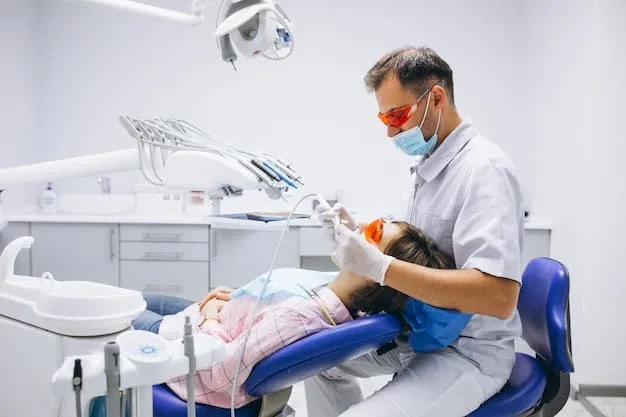
The atmosphere of a pediatric dental office is typically designed to be welcoming and comforting for children. Pediatric dentists often create a playful environment that includes colorful decorations, toys, and child-sized furniture. This design helps to alleviate anxiety and make dental visits more enjoyable for young patients.
In contrast, general dental offices may have a more traditional and clinical feel, which can be intimidating for children. The friendly environment of a pediatric dental practice encourages children to feel safe and relaxed, fostering a positive attitude toward dental care.
Techniques for Managing Fear and Anxiety
Children often experience fear and anxiety associated with dental visits. Pediatric dentists are skilled in techniques to help manage these feelings. They use a gentle approach, clear communication, and distraction techniques to help children feel more at ease during their appointments. Some pediatric dentists also employ behavior management strategies, such as tell-show-do techniques, which involve explaining a procedure in a simple way, demonstrating it, and then allowing the child to experience it themselves.
General dentists may not have the same level of training in managing pediatric anxiety and may not employ specialized techniques to help children cope with their fears. This can result in a less positive experience for young patients.
Preventive Care Focus
Pediatric dentists place a strong emphasis on preventive care, recognizing that establishing good oral hygiene habits early can lead to a lifetime of healthy teeth and gums. They educate both children and parents about the importance of brushing, flossing, and regular dental visits. Pediatric dentists often recommend fluoride treatments and dental sealants, which can significantly reduce the risk of cavities in children.
While general dentists also focus on preventive care, pediatric dentists specifically tailor their recommendations and treatments to the unique needs of children. This proactive approach can help prevent dental issues before they arise, ensuring better oral health outcomes in the long run.
Treatment of Dental Issues Specific to Children
Pediatric dentists are well-versed in treating dental issues that are specific to children, such as early tooth decay, misalignment of teeth, and the management of dental trauma (like knocked-out teeth). They understand the importance of addressing these issues promptly to prevent complications and to ensure proper development of the child's teeth and jaw.
General dentists can treat these issues but may not have the same depth of experience in dealing with the specific challenges that children present. For instance, a pediatric dentist is more likely to recognize the nuances of treating a child’s dental trauma and can provide age-appropriate solutions.
Communication Style
Communication is a vital component of any healthcare interaction, especially with children. Pediatric dentists are trained to communicate with young patients in an age-appropriate manner, using simple language and visual aids to explain procedures. They often engage children in conversation to make them feel more comfortable and to help them understand what to expect.
General dentists may not always adapt their communication style to suit younger patients. This could lead to misunderstandings or increased anxiety for children who may not fully grasp what is happening during their dental visits.
Family Involvement
Pediatric dentists recognize the role that family plays in a child's dental health. They often encourage parents to be involved in their children’s dental visits, offering guidance on how to care for their child’s teeth at home. This collaborative approach helps strengthen the parent-child relationship regarding oral hygiene and reinforces the importance of dental care.
While general dentists also value family involvement, pediatric dentists specifically tailor their approach to engage parents in a way that is supportive of their child's development and understanding.
Long-Term Relationship
Pediatric dentists typically see their young patients for many years, often from their first dental visit through adolescence. This long-term relationship allows the dentist to track the child’s dental development and establish a sense of trust and familiarity. Children who have a positive relationship with their pediatric dentist are more likely to continue seeking dental care as they grow older.
In contrast, general dentists may not see children as frequently or may transition them to adult dental care at a younger age. This can disrupt the continuity of care and may not foster the same level of comfort that a long-term pediatric relationship provides.
The Right Choice for Your Child
Choosing the right dentist for your child is an important decision that can shape their attitudes toward dental care for years to come. While general dentists can provide care for patients of all ages, pediatric dentists offer specialized training, a child-friendly environment, and a focus on the unique needs of young patients.
When considering dental care for your child, think about their specific needs, anxieties, and the type of experience you want them to have. A pediatric dentist may be the ideal choice for ensuring that your child's introduction to dental care is positive, supportive, and tailored to their developmental stage. By prioritizing your child's dental health early on, you lay the foundation for a lifetime of healthy smiles.



























Sign in to leave a comment.