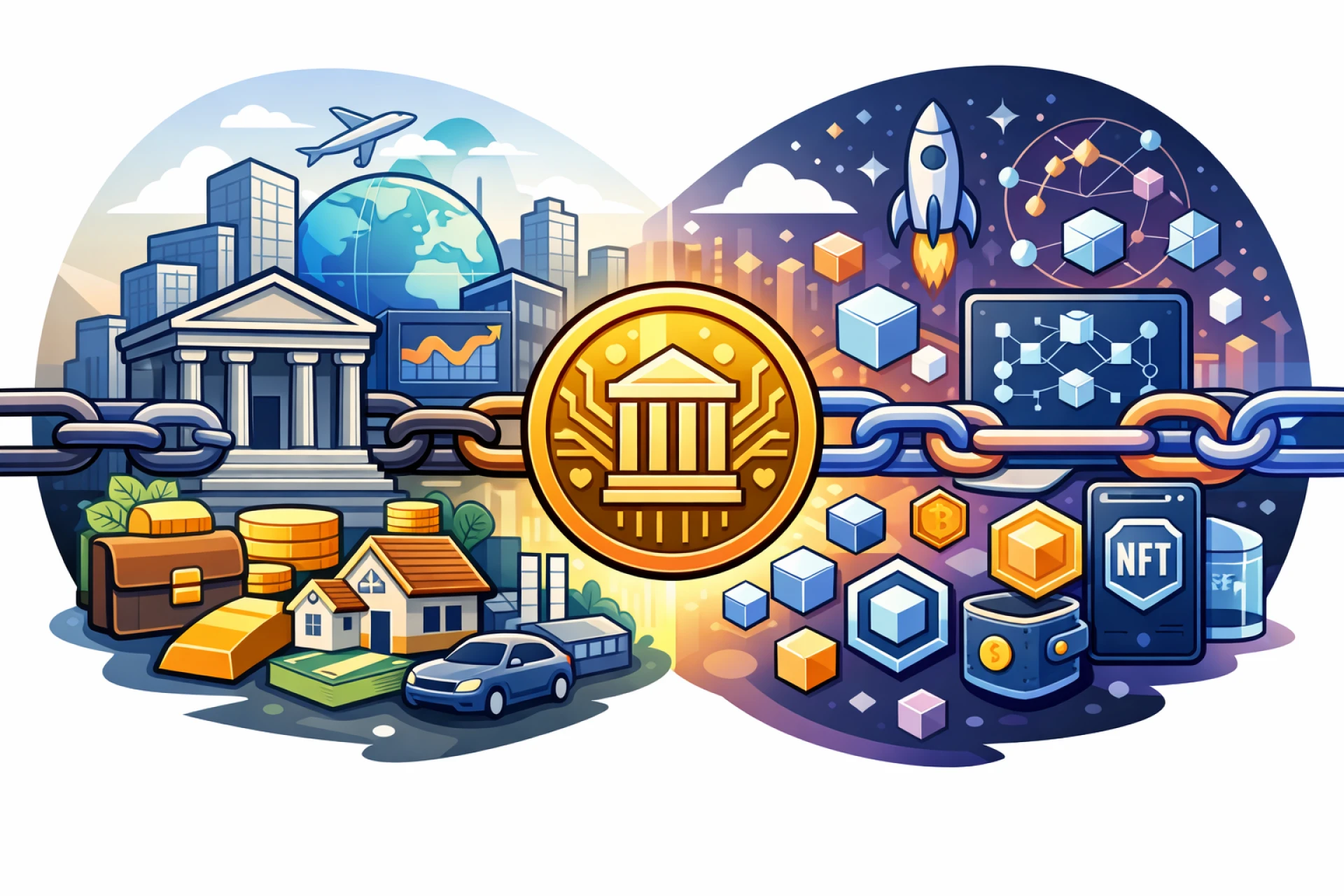
The financial world is standing at a rare inflection point. Traditional finance has spent decades building trust, regulatory frameworks, and large-scale capital infrastructure. Web3 has introduced programmability, transparency, and global accessibility. Yet both systems have struggled to fully integrate with one another. Traditional finance remains slow, fragmented, and opaque, while Web3 often lacks institutional credibility and real economic backing. This is where Real World Asset Tokenization offerings emerge as the missing link that finally bridges these two financial paradigms.
By converting physical and off-chain assets into blockchain-based representations, Real World Asset Tokenization creates a shared financial language between TradFi institutions and decentralized ecosystems. It allows banks, asset managers, and enterprises to retain regulatory compliance while unlocking the efficiency and liquidity benefits of blockchain technology. At the same time, it provides Web3 participants access to stable, yield-generating assets grounded in the real economy rather than pure speculation.
This convergence is not theoretical. It is actively reshaping how capital is issued, traded, settled, and governed. The rapid growth of RWA Tokenization across real estate, commodities, private credit, and infrastructure demonstrates that tokenized assets are becoming foundational to the next generation of financial markets.
Understanding the Divide Between TradFi and Web3
Traditional finance is built on centralized intermediaries, manual reconciliation, and regionally siloed systems. While these structures have ensured stability and compliance, they also introduce friction in the form of slow settlement cycles, high transaction costs, and limited access for global investors. Assets like private equity, real estate, and bonds often remain illiquid and inaccessible to all but large institutions.
Web3, on the other hand, operates on decentralized networks where transactions settle in near real time, ownership is transparent, and smart contracts automate execution. However, much of Web3’s activity has historically revolved around native crypto assets that lack intrinsic value tied to real-world cash flows. This disconnect has limited institutional participation and long-term adoption.
The missing element has been a reliable mechanism to bring real economic assets onto decentralized rails without compromising legal ownership, regulatory compliance, or investor protection. Real World Asset Tokenization addresses this gap by transforming traditional assets into compliant digital instruments that can circulate within Web3 environments.
What Real World Asset Tokenization Offerings Actually Deliver
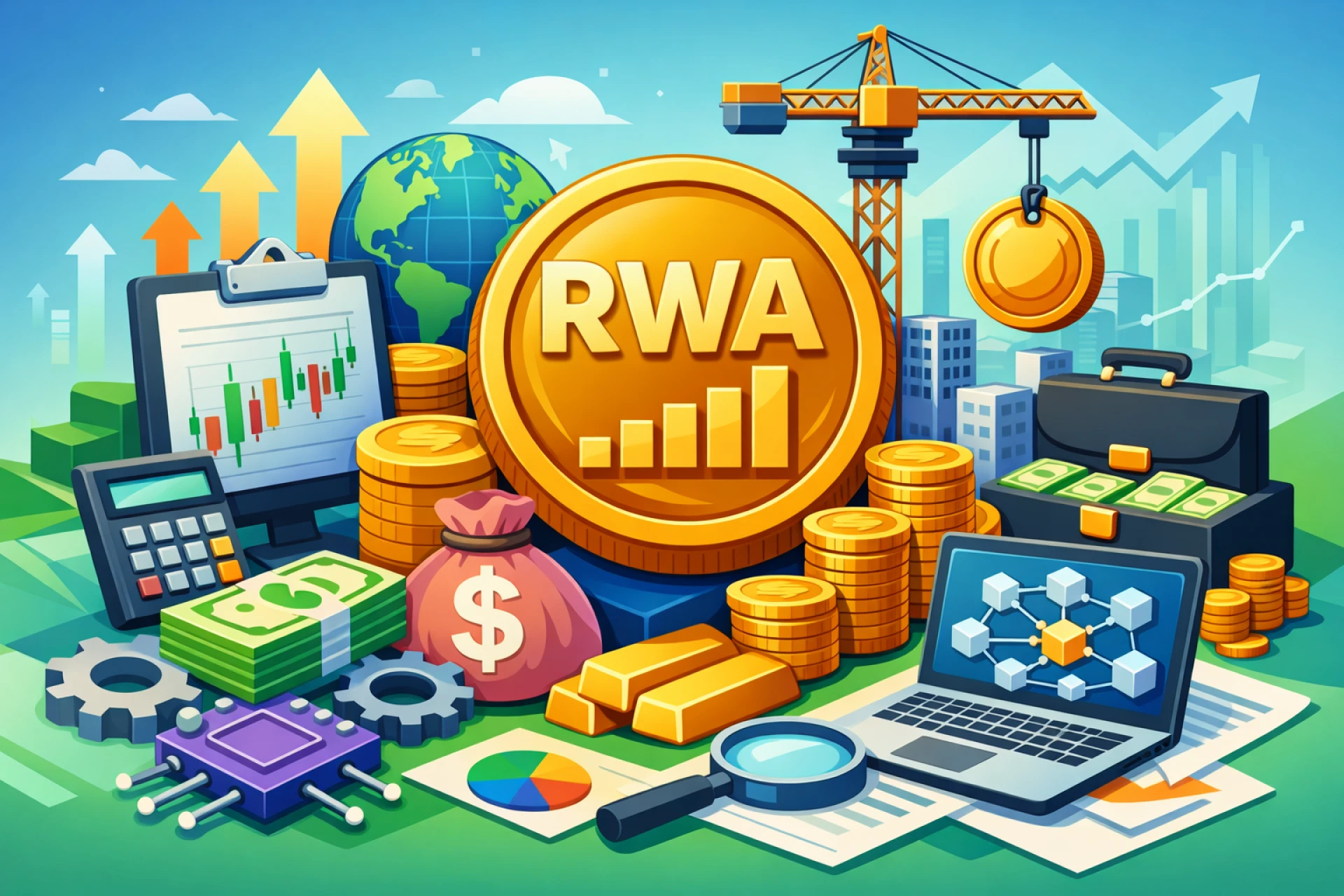
At its core, Real World Asset Tokenization is the process of representing ownership rights of physical or off-chain assets as blockchain-based tokens. These tokens reflect legal claims, revenue rights, or economic interests tied to the underlying asset. The offering goes beyond simple digitization. It introduces programmable compliance, automated settlement, and fractional ownership at scale.
A mature Real World Asset Tokenization Services stack typically includes asset onboarding, legal structuring, token issuance, custody integration, and secondary market readiness. These offerings allow traditional asset issuers to maintain governance while benefiting from the efficiency of decentralized infrastructure.
From the perspective of Web3 ecosystems, tokenized assets introduce stability and utility. They serve as collateral, yield-bearing instruments, and low-volatility components that reduce systemic risk. This dual value proposition is why RWA Tokenization is increasingly viewed as the connective tissue between old and new financial systems.
Method 1: Fractional Ownership as a Capital Unlock Mechanism
One of the most transformative aspects of Real World Asset Tokenization is fractional ownership. Traditional assets often require significant capital commitments, locking out retail and smaller institutional investors. Tokenization divides high-value assets into smaller digital units, each representing a proportional claim.
This method dramatically expands investor participation while allowing asset owners to unlock liquidity without selling entire holdings. For example, a commercial property can be tokenized so investors gain exposure to rental income and appreciation through fractional tokens. This approach aligns seamlessly with both TradFi investment logic and Web3’s composable asset design.
For a Real world asset tokenization platform company, fractionalization becomes a core value driver, enabling new market segments and diversified capital inflows. It also enhances price discovery by allowing assets to trade more freely in digital marketplaces.
Method 2: Programmable Compliance and Regulatory Alignment
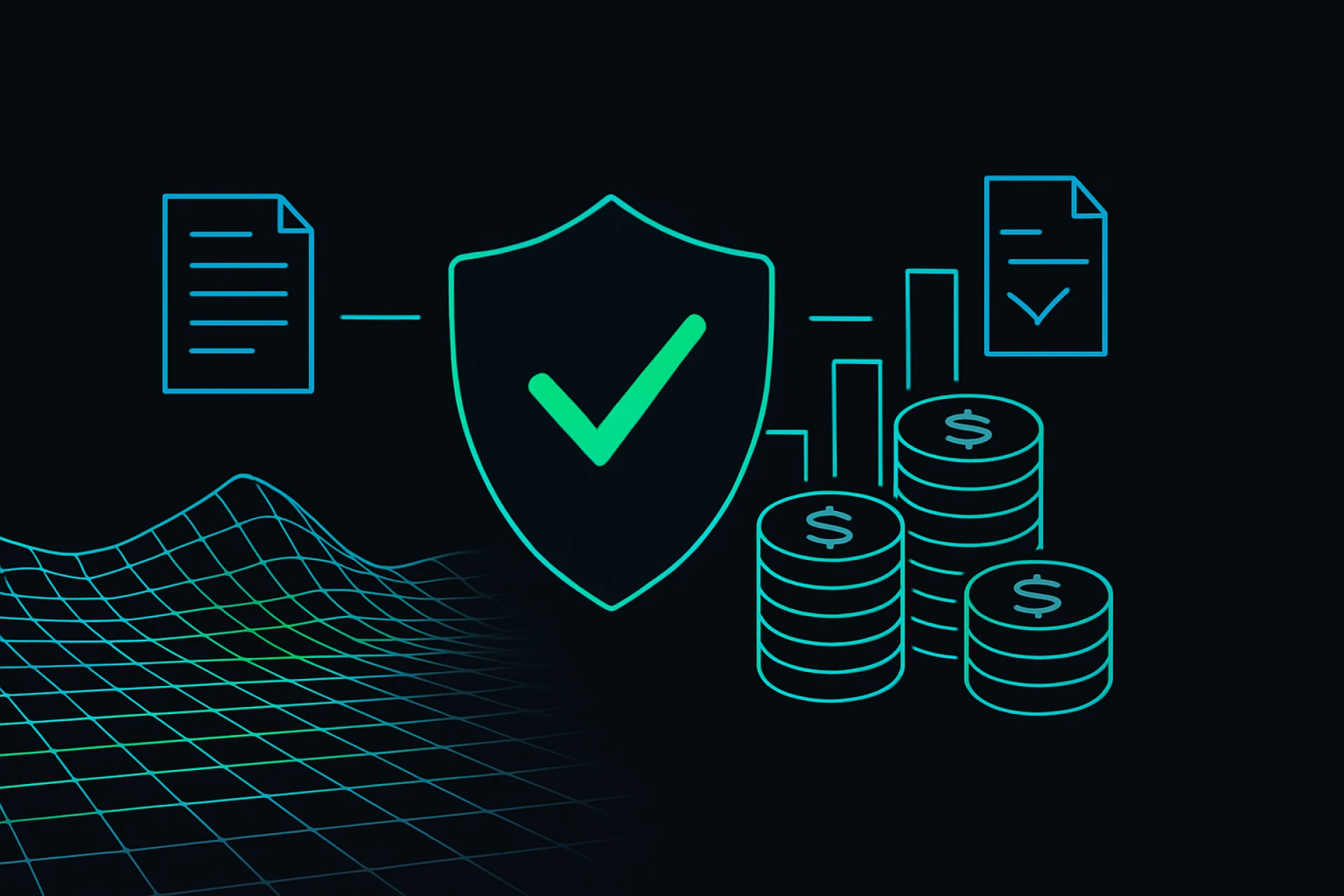
Compliance has long been the biggest barrier preventing institutional adoption of Web3. RWA Tokenization solves this by embedding regulatory rules directly into smart contracts. These programmable compliance layers enforce investor eligibility, transfer restrictions, and jurisdictional rules automatically.
Instead of relying on manual oversight, compliance becomes an always-on function of the asset itself. This makes Real World Asset Tokenization Services particularly attractive to banks, funds, and enterprises that must operate within strict regulatory frameworks.
A rwa tokenization platform development company typically designs these compliance modules in collaboration with legal advisors, ensuring that tokenized assets meet securities laws, KYC requirements, and reporting obligations. This approach preserves the trust foundation of TradFi while leveraging the automation benefits of blockchain.
Method 3: Near-Instant Settlement and Operational Efficiency
Traditional financial transactions often take days to settle due to multiple intermediaries and reconciliation processes. Tokenized assets settle directly on-chain, reducing counterparty risk and freeing up capital that would otherwise be locked during settlement cycles.
This efficiency is not just a technical improvement. It fundamentally changes how liquidity is managed across portfolios. Institutions can rebalance positions faster, reduce operational overhead, and improve capital utilization.
For enterprises engaging in Real world asset tokenization platform development, settlement efficiency becomes a competitive advantage. It allows them to offer faster issuance, real-time reporting, and automated corporate actions, aligning financial operations with the speed of digital markets.
Method 4: Transparent Ownership and Immutable Records
Blockchain-based tokens provide a single source of truth for asset ownership. Every transfer, update, or corporate action is recorded on an immutable ledger. This transparency reduces disputes, simplifies audits, and enhances investor confidence.
In TradFi, ownership records are often fragmented across custodians, registrars, and clearinghouses. Real World Asset Tokenization consolidates these records into a unified system accessible to authorized participants.
This level of transparency is particularly valuable for cross-border investments, where trust and verification challenges are common. RWA Tokenization Services enable global investors to verify asset provenance and ownership without relying solely on intermediaries.
Method 5: Liquidity Creation for Historically Illiquid Assets
Many real-world assets suffer from chronic illiquidity. Private credit, infrastructure projects, and alternative investments are difficult to trade, leading to long holding periods and limited exit options. Tokenization introduces the possibility of secondary market trading under compliant conditions.
By enabling peer-to-peer transfers or regulated marketplace listings, tokenized assets gain liquidity while maintaining investor protections. This does not mean unrestricted trading, but rather controlled liquidity aligned with regulatory frameworks.
A RWA Tokenization Company designing these solutions focuses on balancing liquidity with compliance. The result is a more dynamic capital market that benefits both issuers and investors.
Method 6: Yield Generation That Anchors Web3 to Real Economics
One of Web3’s persistent challenges has been sustainable yield. Many DeFi protocols rely on incentives that are not tied to real economic activity. Tokenized real-world assets introduce yield streams derived from rent, interest, royalties, or operational revenues.
This anchors decentralized finance to tangible value creation. Investors gain predictable returns, while protocols gain stability. Real World Asset Tokenization thus acts as a stabilizing force within Web3 ecosystems.
From a development perspective, RWA token development ensures that yield distribution, revenue sharing, and reporting are automated through smart contracts, reducing administrative friction and increasing trust.
Method 7: Interoperability Between Financial Ecosystems
Tokenized assets are inherently interoperable. They can interact with wallets, custody platforms, DeFi protocols, and enterprise systems. This interoperability allows assets issued in traditional contexts to be utilized in decentralized applications without losing their legal grounding.
For example, a tokenized bond can be used as collateral in a lending protocol while still adhering to regulatory restrictions. This composability is what makes RWA Tokenization a true bridge rather than a one-way conversion.
A rwa tokenization platform development company plays a critical role in ensuring that interoperability does not compromise security or compliance. This involves careful smart contract architecture and governance design.
Method 8: Risk Mitigation Through Asset-Backed Structures
Unlike purely digital assets, tokenized real-world assets are backed by tangible value. This reduces volatility and speculative risk, making them attractive to conservative investors and institutions.
Real World Asset Tokenization Services often include risk assessment, valuation frameworks, and ongoing asset monitoring. These mechanisms ensure that tokenized assets maintain alignment with their underlying value.
By integrating traditional risk management practices with blockchain transparency, tokenization creates a hybrid model that appeals to both TradFi risk committees and Web3 innovators.
Method 9: Institutional-Grade Governance and Control
Institutions require governance mechanisms that allow for oversight, intervention, and accountability. Tokenization platforms provide multi-layer governance models that include issuer controls, investor voting, and automated enforcement.
This governance structure mirrors traditional asset management practices while benefiting from blockchain automation. A Real world asset tokenization platform company designs these systems to ensure alignment with corporate governance standards.
The result is a framework where decentralized technology enhances rather than replaces institutional control.
Method 10: Scalable Infrastructure for Global Capital Markets
Scalability is essential for mass adoption. Real World Asset Tokenization offerings are built on infrastructure capable of supporting high transaction volumes, cross-border participation, and integration with existing financial systems.
This scalability allows tokenized markets to grow from pilot projects to global platforms. RWA Tokenization Services evolve alongside regulatory clarity and institutional demand, ensuring long-term viability.
Enterprises investing in Real world asset tokenization platform development are positioning themselves at the core of next-generation financial infrastructure.
Why Tokenization Is the True Convergence Layer
The power of Real World Asset Tokenization lies in its ability to preserve what works in traditional finance while introducing the efficiencies of Web3. It does not force institutions to abandon compliance or investors to embrace unnecessary risk. Instead, it creates a shared operational framework.
For TradFi, tokenization offers automation, liquidity, and global reach. For Web3, it provides legitimacy, stability, and real economic value. This mutual benefit is why RWA Tokenization is increasingly viewed as inevitable rather than experimental.
The Strategic Role of RWA Token Development Going Forward
As adoption accelerates, the focus will shift from experimentation to optimization. RWA token development will emphasize security, governance, and interoperability. Platforms will compete on reliability, compliance depth, and ecosystem integration.
A specialized RWA Tokenization Company will act not just as a technology provider but as a strategic partner guiding asset issuers through regulatory, operational, and market challenges.
This evolution will further cement Real World Asset Tokenization as the foundational layer connecting traditional and decentralized finance.
Conclusion: The Missing Link Has Finally Emerged
The divide between TradFi and Web3 has persisted not because of lack of innovation, but because of incompatible structures and priorities. Real World Asset Tokenization offerings resolve this by translating traditional assets into programmable, compliant digital instruments.
Through fractional ownership, automated compliance, liquidity creation, and real-world yield, RWA Tokenization aligns the strengths of both systems. It enables institutions to innovate without sacrificing trust and allows Web3 to mature beyond speculative assets.
As adoption deepens, Real World Asset Tokenization Services will define how capital moves, how assets are owned, and how value is created in a unified global financial system. The missing link is no longer theoretical. It is actively reshaping the future of finance.




























Sign in to leave a comment.