
Real estate has long been regarded as one of the most reliable wealth-building asset classes in history. Yet despite its stability and scale, property ownership has always carried a fundamental weakness: illiquidity. Selling a building, refinancing a portfolio, or reallocating capital trapped in real estate typically requires months of negotiation, legal processing, and market timing. Capital remains locked, flexibility is limited, and participation is often restricted to large institutions or ultra-high-net-worth investors.
A tokenized real estate platform is changing this equation entirely. By merging blockchain infrastructure with real-world property ownership, these platforms are transforming static, illiquid assets into dynamic, tradable instruments that behave more like modern financial products than traditional bricks and mortar. This shift is not cosmetic. It is structural, systemic, and reshaping how capital flows through global property markets.
This article explores how tokenized real estate platforms convert illiquid property into tradable powerhouses, examining the mechanisms, economic impact, and strategic advantages driving this transformation.
The Illiquidity Problem That Has Defined Real Estate for Decades
Illiquidity in real estate is not a side effect. It is a defining characteristic of the asset class. Properties are expensive, indivisible, jurisdiction-bound, and burdened by regulatory, legal, and operational complexity. These factors create friction at every stage of ownership and transfer.
Key contributors to real estate illiquidity include:
• High minimum investment thresholds
• Lengthy transaction cycles
• Limited secondary markets
• Capital lock-in during ownership
• Complex cross-border regulations
Even institutional investors face constraints. Large funds must plan exits years in advance, while retail investors are largely excluded from premium real estate opportunities altogether. This inefficiency has historically been accepted as unavoidable.
Tokenization challenges that assumption.
What Is a Tokenized Real Estate Platform at Its Core?
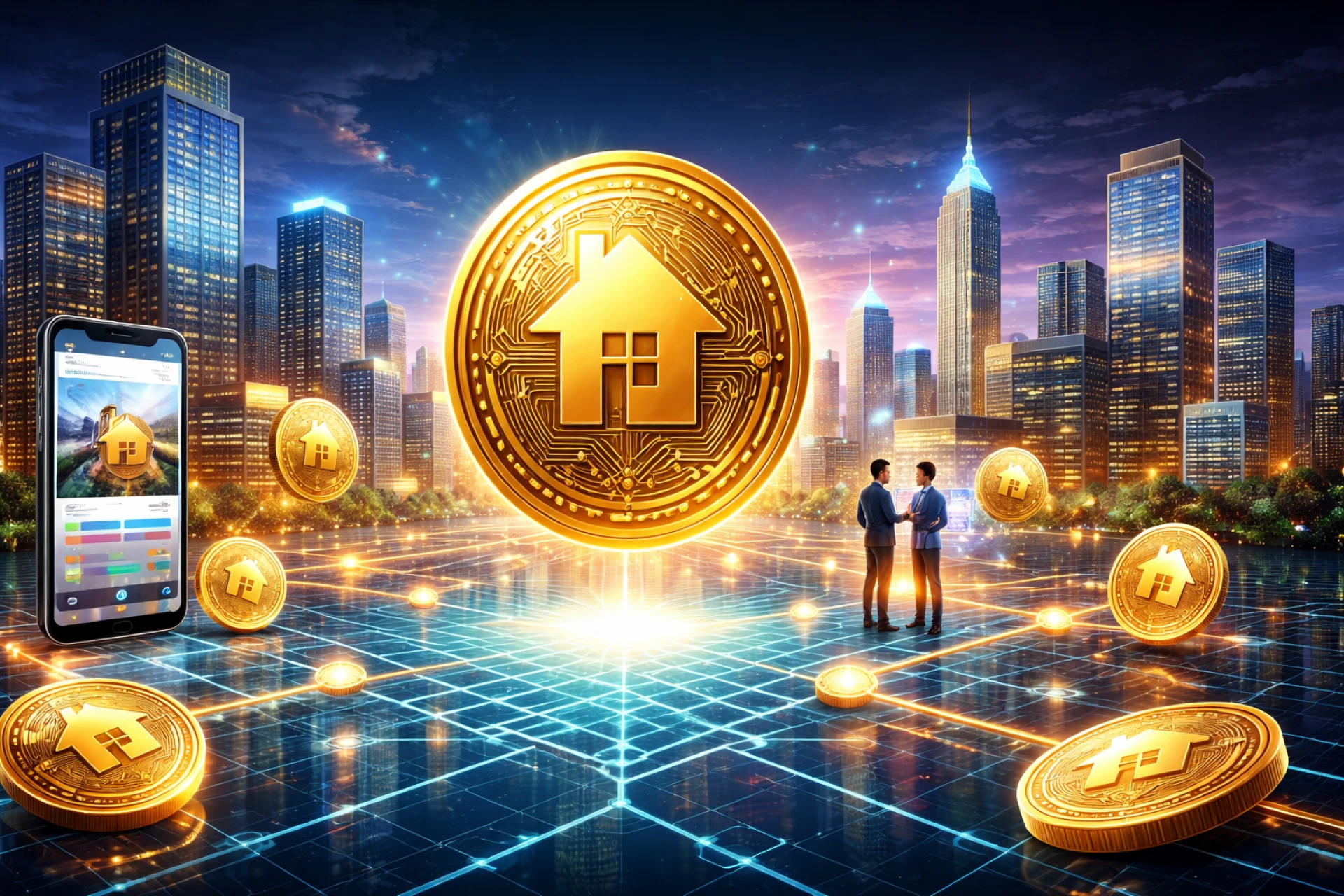
A tokenized real estate platform is a digital infrastructure that represents ownership rights in physical property through blockchain-based tokens. Each token corresponds to a fractional economic interest in an underlying real estate asset or portfolio.
Rather than owning an entire building outright, investors hold digital tokens that confer rights such as income participation, appreciation exposure, or governance privileges, depending on the platform structure.
What makes this transformative is not just digitization, but standardization and programmability. Ownership becomes divisible, transferable, and interoperable within digital markets.
At its core, the platform performs three critical functions:
• Converts property ownership into compliant digital tokens
• Manages legal, regulatory, and custodial frameworks
• Enables trading, settlement, and lifecycle management of tokens
Together, these functions turn real estate from a static asset into a liquid financial instrument.
Fractionalization: Breaking Real Estate Into Tradable Units
The first step in unlocking liquidity is fractionalization. Tokenization allows a high-value property to be divided into thousands or even millions of digital units, each representing a proportional share of ownership.
This changes the investment landscape in profound ways.
Fractionalization enables:
• Lower entry barriers for investors
• Broader capital participation
• Flexible portfolio allocation
• Incremental buying and selling
A commercial building worth millions no longer requires a single buyer or consortium. Instead, capital can flow in smaller increments from a diverse global investor base. This increased participation directly enhances liquidity by expanding the pool of potential buyers and sellers.
Fractional units behave more like shares than deeds. They are easier to price, easier to transfer, and easier to rebalance within an investment portfolio.
Blockchain Infrastructure as the Liquidity Engine
Tokenized real estate platforms rely on blockchain technology to function as liquidity engines. Blockchain provides an immutable ledger that records ownership, transactions, and entitlements with transparency and security.
This infrastructure eliminates several traditional friction points:
• Manual record keeping
• Redundant intermediaries
• Settlement delays
• Disputes over ownership
Ownership transfers can occur within minutes rather than months. Settlement is near-instant, reducing counterparty risk and freeing capital faster.
More importantly, blockchain enables interoperability. Tokens can be integrated into broader digital financial ecosystems, allowing real estate assets to interact with other tokenized assets, payment systems, and financial tools.
Liquidity thrives where friction is removed.
Smart Contracts: Automating Trust and Transactions
Smart contracts are programmable agreements embedded within the tokenized real estate platform. They automatically execute predefined rules without requiring human intervention.
These contracts govern:
• Ownership transfers
• Revenue distribution
• Compliance checks
• Corporate actions
For example, rental income can be distributed to token holders automatically based on their proportional ownership. Compliance requirements such as investor eligibility can be enforced at the protocol level, ensuring regulatory adherence without manual oversight.
By automating trust, smart contracts reduce operational costs and increase transaction velocity. This automation is critical to enabling scalable, high-volume trading environments where liquidity can flourish.
Secondary Markets: Where Illiquid Assets Become Tradable
Liquidity does not exist without active markets. Tokenized real estate platforms enable secondary trading environments where investors can buy and sell tokens without waiting for property-level exits.
These secondary markets transform real estate ownership dynamics.
Investors gain:
• The ability to exit positions early
• Price discovery through market activity
• Continuous valuation signals
• Portfolio flexibility
Unlike traditional property markets, where transactions are episodic and opaque, tokenized markets operate continuously. Prices adjust based on demand, income performance, and broader market conditions.
The existence of a liquid secondary market fundamentally redefines real estate from a long-term lock-in asset to a flexible capital allocation tool.
Institutional-Grade Compliance Without Sacrificing Liquidity
One of the biggest challenges in making real estate tradable is compliance. Property ownership is deeply regulated, varying across jurisdictions and investor types. Tokenized real estate platforms address this through embedded compliance frameworks.
Rather than treating regulation as an external constraint, these platforms integrate compliance directly into the token lifecycle.
This includes:
• Investor onboarding and verification
• Jurisdiction-specific transfer rules
• Ownership caps and restrictions
• Automated reporting
By encoding compliance into the platform architecture, tokens remain freely tradable within approved parameters. This approach preserves liquidity while satisfying institutional and regulatory requirements.
For large investors, this compliance-first design is essential. It allows participation at scale without introducing legal uncertainty.
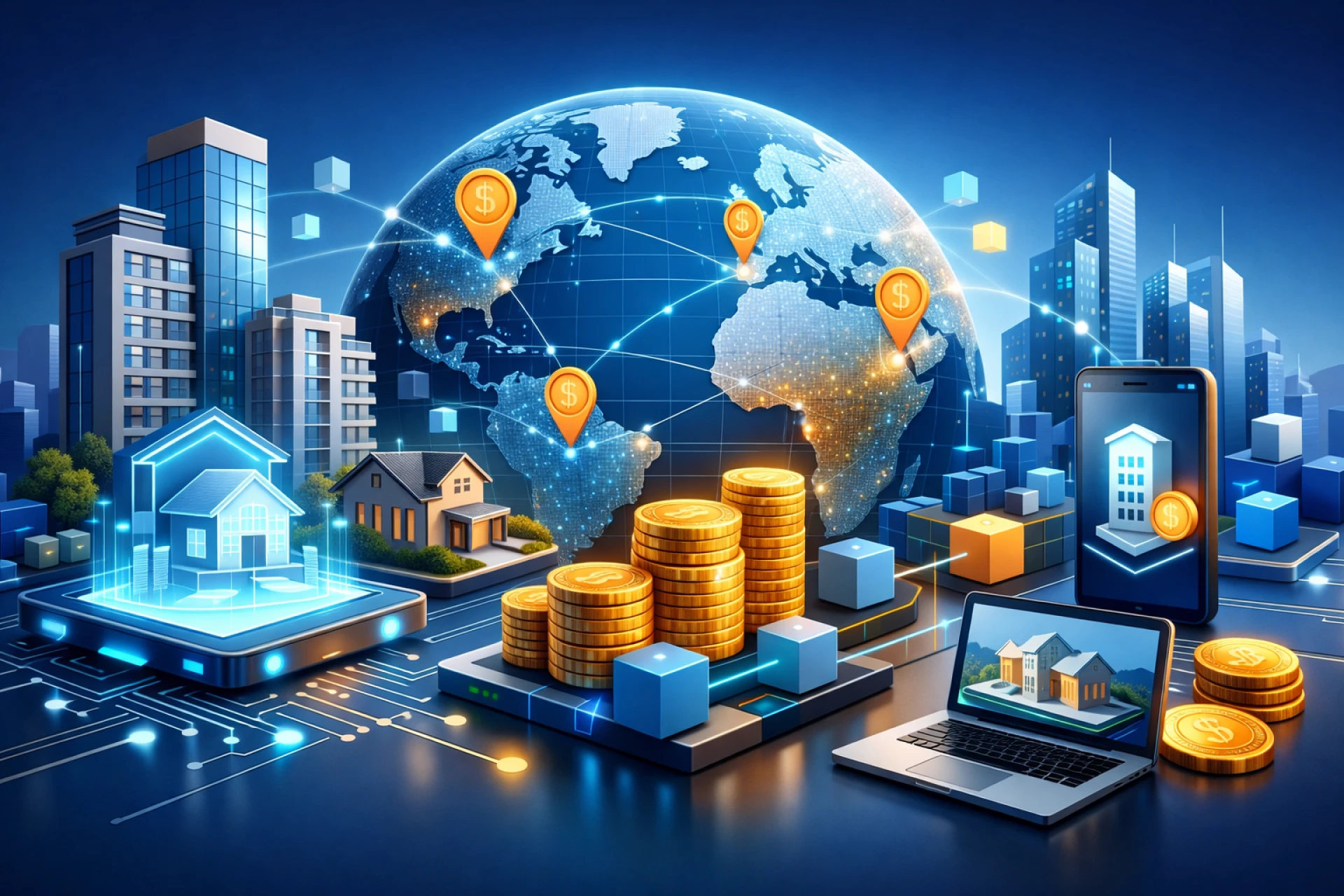
Unlocking Global Capital Flows Into Local Assets
Traditional real estate markets are geographically constrained. Foreign investors face currency risks, legal complexity, and administrative overhead. Tokenized real estate platforms dissolve many of these barriers.
Through digital ownership, local assets become globally accessible investment opportunities.
This global reach results in:
• Expanded demand for real estate tokens
• Improved liquidity through diversified participation
• Reduced reliance on local market cycles
A property located in one country can attract investors from multiple regions simultaneously, smoothing capital inflows and stabilizing valuations. Global accessibility increases the depth of the market, making it easier to buy and sell without price distortion.
Liquidity scales with access.
Continuous Price Discovery and Market Efficiency
Illiquid markets suffer from poor price discovery. Property valuations are often outdated, subjective, and infrequent. Tokenized real estate platforms introduce continuous pricing mechanisms through active trading.
As tokens change hands, prices reflect:
• Income performance
• Market sentiment
• Macro-economic signals
• Asset-specific developments
This transparency benefits all participants. Sellers can exit at fair market value, while buyers gain real-time insight into asset performance. Over time, this efficiency attracts more participants, reinforcing liquidity in a virtuous cycle.
Efficient markets are liquid markets.
Portfolio Rebalancing Without Forced Asset Sales
One of the most powerful benefits of tokenized real estate is portfolio flexibility. Investors can rebalance their exposure without selling entire properties.
Instead of liquidating a building, an investor can sell a portion of their token holdings. This partial liquidity allows for:
• Risk management
• Capital redeployment
• Tactical allocation adjustments
Institutions can fine-tune portfolios dynamically, responding to market conditions without triggering large transaction costs or tax events associated with property sales.
This capability turns real estate into an actively managed asset class rather than a static holding.
Transforming Real Estate From Store of Value to Financial Instrument
Historically, real estate has functioned primarily as a store of value and income generator. Tokenization elevates it into a programmable financial instrument.
Tokens can be structured with different rights and characteristics, such as:
• Income-focused tokens
• Appreciation-focused tokens
• Governance-enabled tokens
This flexibility allows platforms to design products that meet specific investor objectives. As real estate becomes modular and customizable, its role within portfolios expands.
Liquidity is no longer an afterthought. It is a built-in feature.
Risk Management and Transparency Strengthen Market Confidence
Liquidity depends on trust. Tokenized real estate platforms enhance transparency through immutable records, standardized disclosures, and auditable transaction histories.
Investors gain visibility into:
• Ownership structures
• Transaction activity
• Asset performance metrics
This transparency reduces information asymmetry, a major contributor to illiquidity in traditional real estate markets. When investors trust the data, they are more willing to participate actively, increasing trading volume and market depth.
Confidence fuels liquidity.
Why Tokenized Real Estate Platforms Are Capital Multipliers
When real estate becomes liquid, capital efficiency improves across the ecosystem.
Developers can raise funds faster. Investors can redeploy capital more frequently. Institutions can optimize balance sheets. This velocity of capital transforms real estate from a slow-moving asset into a growth engine.
The platform does not just unlock liquidity. It multiplies the economic utility of property ownership.
Real estate shifts from being a capital sink to a capital accelerator.
The Strategic Implications for the Future of Property Markets
Tokenized real estate platforms represent more than a technological upgrade. They signal a paradigm shift in how property is owned, traded, and valued.
As liquidity increases, real estate begins to resemble other mature financial markets, with continuous trading, transparent pricing, and broad participation. This convergence attracts new classes of investors and integrates property more deeply into global capital markets.
The result is a more resilient, accessible, and efficient real estate ecosystem.
Conclusion: From Illiquid to Unstoppable
A tokenized real estate platform turns illiquid assets into tradable powerhouses by dismantling the structural barriers that have constrained property markets for generations. Through fractionalization, blockchain infrastructure, smart contracts, and compliant secondary markets, real estate becomes flexible, accessible, and liquid.
This transformation is not incremental. It is foundational. As tokenized platforms mature, they will redefine how capital interacts with physical assets, unlocking value that has remained dormant for decades.
























Sign in to leave a comment.