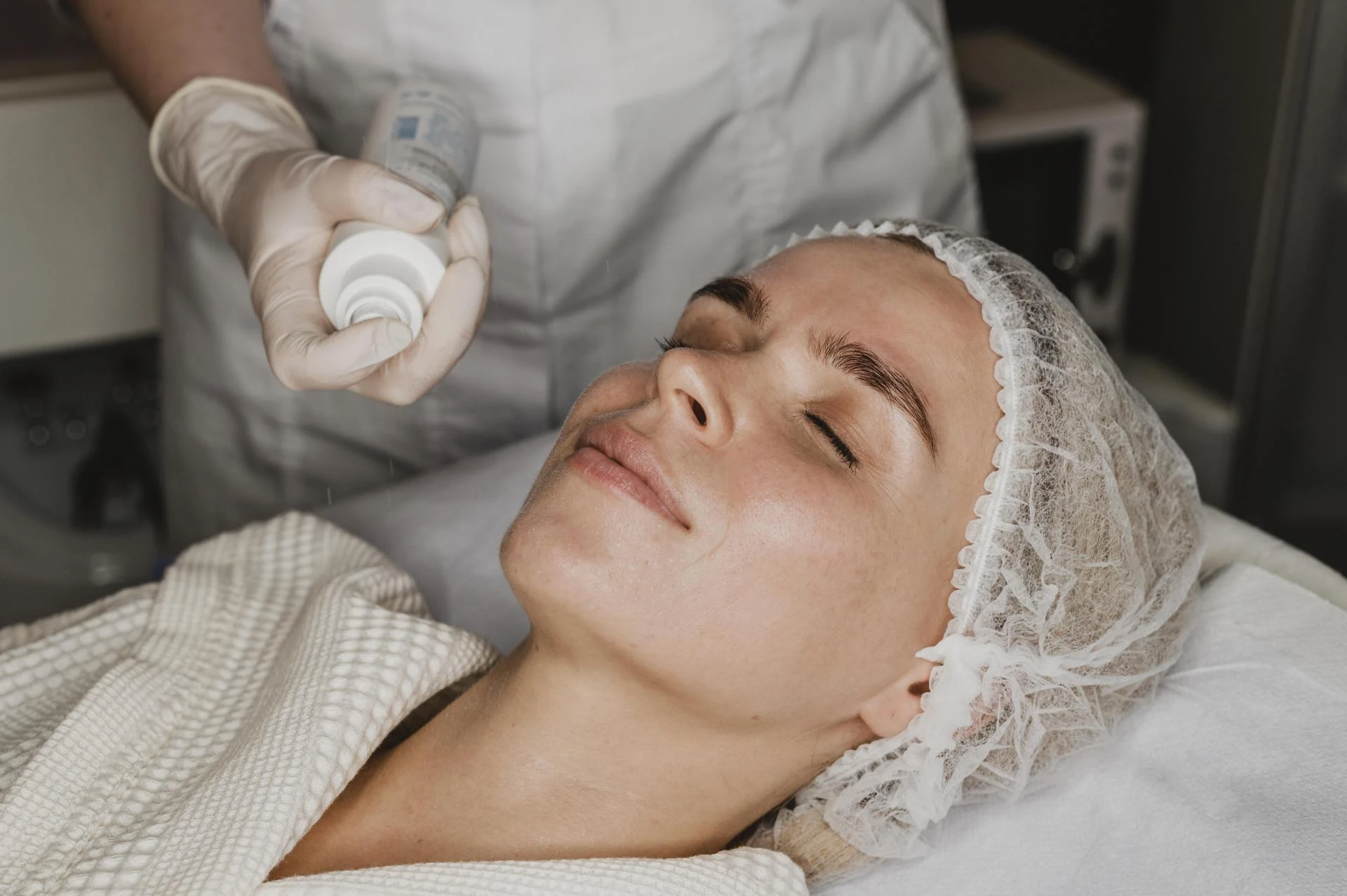

When it comes to non-invasive skin treatments, two options that often get compared are skin needling and dermaplaning. Both are popular choices for those looking to improve skin tone, texture, and overall glow. But while they may seem similar at first glance, these treatments differ greatly in their techniques, benefits, and intended outcomes. For those exploring skin needling in Adelaide, understanding how it stacks up against dermaplaning can help you choose the right path to healthier, radiant skin.
Let’s explore the key differences between these two skin treatments and what you should consider before deciding which one suits your skincare needs.
What is Skin Needling?
Skin needling, also known as microneedling or collagen induction therapy, involves using very fine needles to create controlled micro-injuries in the upper layers of the skin. These tiny punctures trigger the body’s natural healing response, stimulating the production of collagen and elastin—proteins essential for firm, youthful skin.
Skin needling is commonly used to treat:
- Acne scars
- Fine lines and wrinkles
- Enlarged pores
- Pigmentation
- Uneven skin tone
- Stretch marks
The treatment helps rejuvenate the skin from within, improving its structure and overall appearance over time. While the results aren’t immediate, most people begin to notice visible improvement after a few sessions, especially when targeting scarring or texture concerns.
What is Dermaplaning?
Dermaplaning is a physical exfoliation technique that involves using a sterile, surgical-grade blade to gently scrape away dead skin cells and fine vellus hair (often referred to as "peach fuzz") from the surface of the skin. It’s a painless procedure that leaves the skin looking smoother, brighter, and more refined.
Dermaplaning is generally used to:
- Remove surface-level dead skin
- Improve product absorption
- Create a smooth base for makeup
- Enhance overall skin glow
Unlike skin needling, dermaplaning does not involve any penetration into the deeper layers of the skin. It’s purely a surface-level treatment that focuses on exfoliation and skin smoothing.
Technique: Deep Repair vs Surface Renewal
The most fundamental difference between the two treatments lies in how they interact with the skin:
- Skin needling works at a deeper level by activating the body’s wound-healing response. This makes it ideal for improving skin structure and stimulating natural collagen production.
- Dermaplaning, on the other hand, is a surface-level exfoliation treatment that removes dead skin cells and hair to instantly improve smoothness and radiance.
So if your main concern is skin texture, scarring, or ageing, skin needling may offer more long-term benefits. If you’re seeking immediate glow and a smoother makeup base, dermaplaning could be the better option.
Pain and Recovery
Another key difference between skin needling and dermaplaning is the level of discomfort and downtime involved.
Skin Needling:
Mild discomfort may be felt during the procedure, especially in sensitive areas like under the eyes or around the mouth. Some redness, tightness, and mild swelling can be expected for up to 48 hours post-treatment. Recovery time varies depending on the intensity of the session, but most people can resume normal activities the next day.
Dermaplaning:
This is a completely painless treatment with no downtime. You may notice slight redness immediately after, but this generally fades within a few hours. It’s often done before special events due to the instant glow it gives.
Frequency of Treatment
- Skin needling is typically done every 4 to 6 weeks to allow the skin time to heal and regenerate.
- Dermaplaning can be performed more regularly, often every 3 to 4 weeks, as it deals only with the surface layers of the skin.
For those looking to build a skincare plan, these two treatments can even be used in combination—provided they are spaced apart and professionally managed.
Results and Longevity
Skin Needling:
The results of skin needling are gradual and build over time. Because it encourages collagen production, improvements can last several months, especially with a consistent treatment plan. It’s particularly effective for long-term improvements in scarring, fine lines, and skin firmness.
Dermaplaning:
Dermaplaning results are immediate but short-lived. The smoother and brighter skin lasts for about three to four weeks before dead skin cells naturally build up again. It’s best considered a maintenance treatment rather than a corrective one.
Suitability for Skin Types
Both treatments are generally suitable for most skin types, but there are some considerations:
- Skin needling may not be suitable during active acne flare-ups or for those with highly sensitive skin, as it involves penetrating the skin barrier.
- Dermaplaning is safe for most, including pregnant women, but may not be ideal for those with very oily or acne-prone skin, as removing the hair and exfoliating too frequently could sometimes lead to breakouts.
It’s always best to seek advice from a skin specialist before choosing a treatment, especially if you have existing skin conditions or concerns.
Cost and Value
While prices vary depending on location and provider, skin needling generally costs more than dermaplaning due to the equipment used, the depth of treatment, and the expertise required.
That said, the value of each treatment comes down to your skin goals:
- Choose skin needling if you're seeking long-term improvement in skin health, texture, and collagen production.
- Choose dermaplaning if you want a quick refresh, smoother skin, or a perfect canvas for makeup application.
Can You Do Both?
Yes, many people incorporate both treatments into their skin routine at different times. For example, you might have skin needling sessions to target deeper concerns and opt for dermaplaning in between to maintain a smooth and radiant complexion. However, these treatments should not be done back-to-back on the same day. Your skin needs time to recover from each procedure, especially after needling.
Final Thoughts
If you’re navigating your skin treatment options in Adelaide and wondering which is best for you, understanding the differences between skin needling and dermaplaning is key. While both aim to enhance the skin’s appearance, they do so in very different ways.
- Skin needling is a deeper, regenerative treatment focused on long-term improvement through collagen production.
- Dermaplaning offers instant results through exfoliation and is ideal for a short-term glow.
Your decision should be based on your specific goals, skin condition, and how much downtime you're comfortable with. Whether you're targeting acne scars, wanting to minimise fine lines, or simply freshen up dull skin, there’s a treatment that can be tailored to your needs.
If you're in Adelaide and exploring options like skin needling, be sure to seek guidance from a qualified professional who can help you determine what’s best for your skin in the short and long term. Glowing, healthy skin is always possible with the right plan—and understanding the tools available is the first step.


















Sign in to leave a comment.