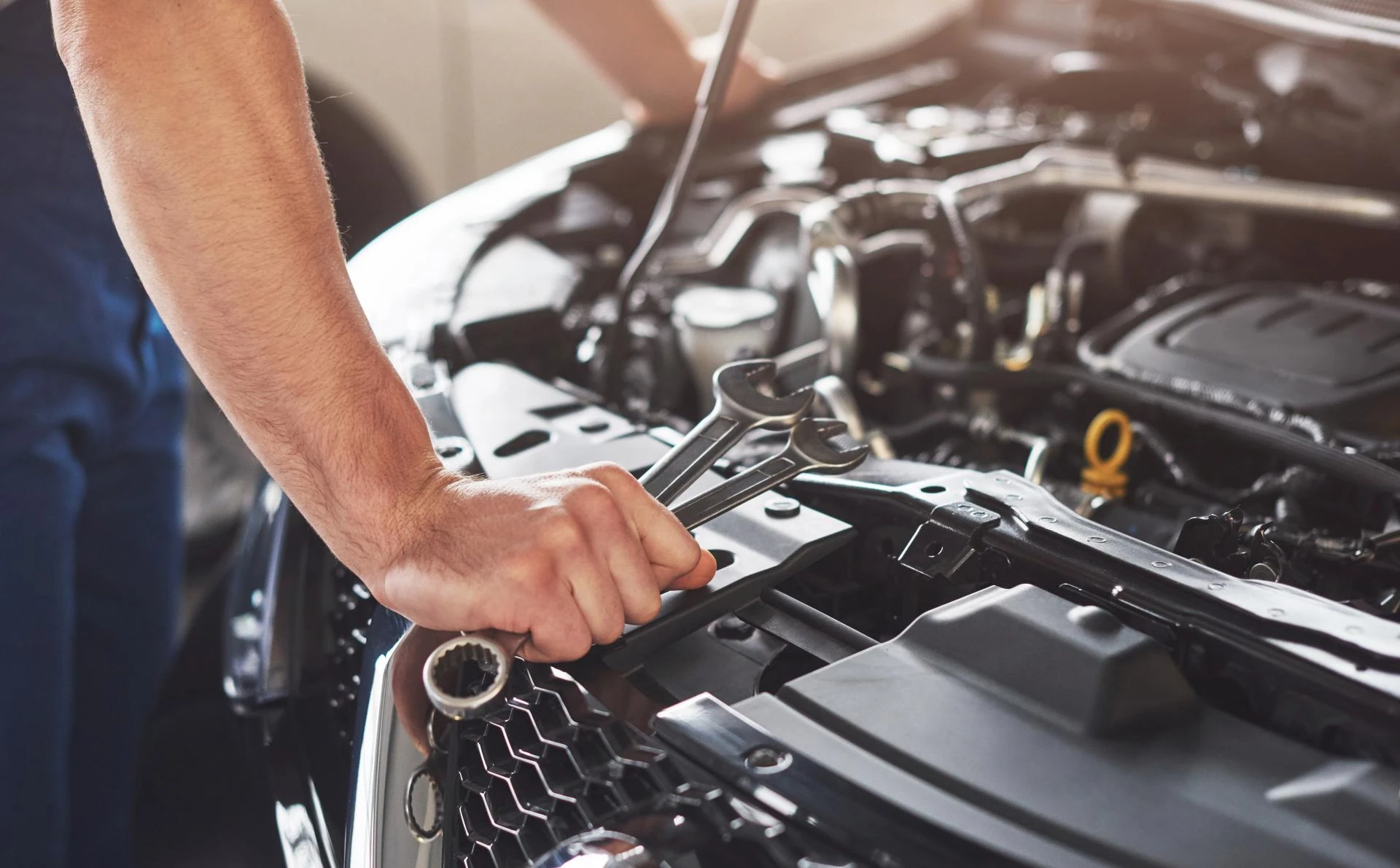

For anyone considering a career in the automotive industry or simply curious about how vehicle repairs work, understanding the difference between light and heavy vehicle mechanics is essential. While both roles involve diagnosing and repairing engines and mechanical systems, the type of vehicles, tools, knowledge, and work environments can vary significantly. Whether you're pursuing a Certificate III in Light Vehicle Mechanical Technology or interested in working with massive mining trucks, this guide will walk you through the key distinctions between these two specialised career paths.
What is a Light Vehicle Mechanic?
A light vehicle mechanic specialises in the service, maintenance, and repair of smaller vehicles, typically weighing less than 4.5 tonnes. This includes:
- Passenger cars
- SUVs
- Utes
- Small vans
Light vehicle mechanics are the professionals you’ll usually find in your local automotive workshop or dealership service centre. Their day-to-day tasks may involve:
- Diagnosing engine and transmission issues
- Performing routine servicing such as oil changes and brake pad replacement
- Inspecting and repairing steering and suspension systems
- Working with electronic diagnostic tools to assess faults
As vehicles have become more advanced, light vehicle mechanics now deal with complex systems such as automatic safety controls, hybrid engines, and computer-controlled fuel injection. It’s a highly dynamic field that requires up-to-date knowledge of modern automotive technology.
What is a Heavy Vehicle Mechanic?
A heavy vehicle mechanic works with large commercial vehicles designed for industrial use. These include:
- Trucks
- Buses
- Construction machinery
- Agricultural equipment
- Mining vehicles
Due to the size and complexity of these machines, heavy vehicle mechanics often operate in more specialised settings such as transport depots, construction sites, or rural locations. Their responsibilities may include:
- Maintaining and repairing diesel engines
- Working on hydraulic and pneumatic systems
- Servicing transmissions, brakes, and drivetrains specific to heavy machinery
- Conducting compliance checks and safety inspections for roadworthiness
Because these vehicles operate under demanding conditions and often carry heavy loads, heavy vehicle mechanics must prioritise safety, durability, and regulatory standards in their repairs.
Key Differences Between Light and Heavy Vehicle Mechanics
While there is overlap in mechanical principles, the job roles have distinct differences:
1. Type of Vehicles
- Light mechanics work on personal and small business vehicles used for everyday transport.
- Heavy mechanics service commercial and industrial vehicles used in transport, mining, construction, and agriculture.
2. Tools and Equipment
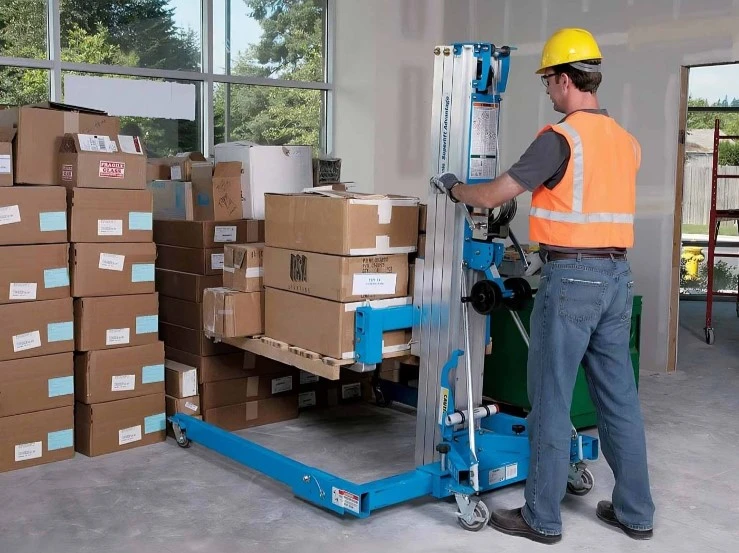
Heavy vehicles require more robust tools and lifting equipment due to their size and weight. Mechanics may work with cranes, forklifts, or large hoists, whereas light vehicle workshops use standard car lifts and smaller tools.
3. Work Environment
Light vehicle mechanics often work in enclosed workshops, while heavy vehicle mechanics may be required to work outdoors, on job sites, or in larger industrial facilities.
4. Specialisation and Training
Light vehicle mechanics typically begin with courses like the Certificate III in Light Vehicle Mechanical Technology, which focuses on petrol engines, automotive electrical systems, and diagnostic tools. Heavy vehicle mechanics may undertake training focused on diesel systems, hydraulics, and large-scale mechanical systems.
5. Physical Demands
Both jobs are physically active, but heavy vehicle mechanics may encounter more physically intensive work due to the size of components and equipment involved. There may also be more exposure to dust, grease, and weather conditions when working on-site.
Career Opportunities and Job Outlook
Both light and heavy vehicle mechanics are in demand across Australia, particularly in regional and remote areas where skilled trades are always needed.
Light Vehicle Mechanic Career Paths:
- Dealership or independent workshop mechanic
- Diagnostic technician
- Mobile mechanic
- Workshop supervisor or manager
With experience and further study, some mechanics move into roles involving hybrid and electric vehicles, which are gaining popularity on Australian roads.
Heavy Vehicle Mechanic Career Paths:
- Fleet maintenance technician
- Field service mechanic for mining or agricultural machinery
- Workshop foreman
- Equipment inspector or technical advisor
The rise of large-scale infrastructure and mining projects across Australia ensures that heavy vehicle mechanics remain crucial in supporting key industries.
Skills Required for Each Role
Light Vehicle Mechanics Need:
- Good problem-solving skills
- Strong knowledge of automotive electronics
- Attention to detail for dealing with complex systems
- Ability to work efficiently in a workshop environment
Heavy Vehicle Mechanics Need:
- High mechanical aptitude and physical strength
- Understanding of hydraulics and diesel engine systems
- Awareness of safety and compliance regulations
- Ability to work independently, often in the field
Both roles also benefit from strong communication skills, as mechanics often explain faults and repairs to customers or team members.
Which Career is Right for You?
Choosing between light and heavy vehicle mechanics comes down to your personal interests, work preferences, and career goals.
If you enjoy working on cars, love staying up to date with automotive technology, and prefer working in a clean, workshop-based environment, a light vehicle mechanic pathway could be ideal. The Certificate III in Light Vehicle Mechanical Technology offers a structured entry point with solid employment prospects across Australia.
On the other hand, if you’re drawn to big machines, enjoy working outdoors or on site, and have an interest in industries like transport or mining, the heavy vehicle mechanic path may be more fulfilling. The work can be physically challenging but also incredibly rewarding—especially with the strong job demand in regional areas.
Final Thoughts
Both light and heavy vehicle mechanics play vital roles in keeping Australia moving—from family cars and delivery vans to road trains and excavators. While their core skillsets overlap, each career has unique challenges, tools, and opportunities.
Starting with the right training—such as a Certificate III in Light Vehicle Mechanical Technology—sets the foundation for a rewarding future in the automotive industry. Whichever path you choose, you’ll be joining a profession that values hands-on skill, problem-solving ability, and a passion for keeping vehicles running at their best.
So, whether you're drawn to the buzz of a busy workshop or the roar of machinery on a mine site, there’s a place for you in Australia’s thriving mechanical trade sector.




























Sign in to leave a comment.