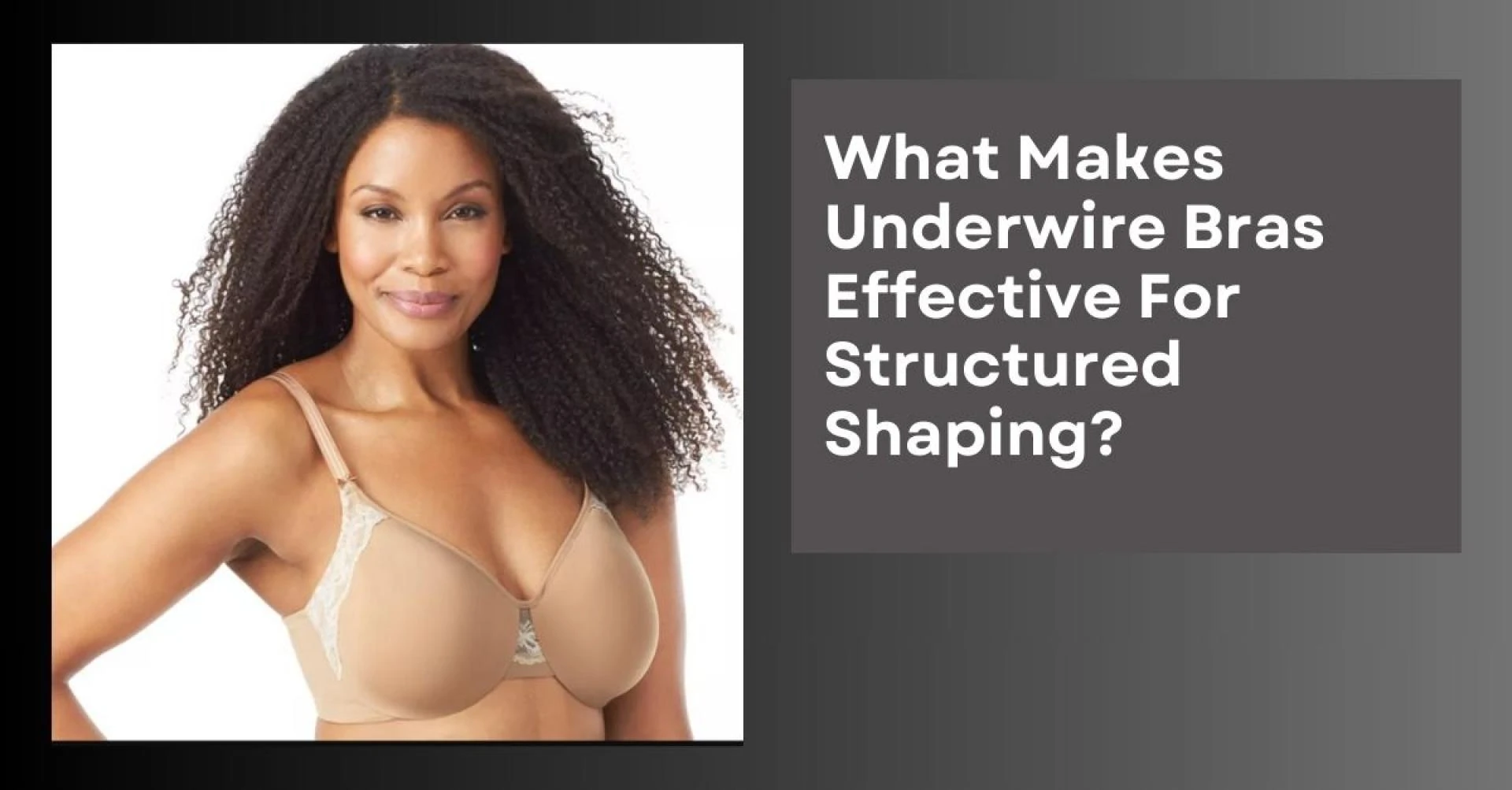

Structured shaping is about more than appearance. It is about how support works with the body to create balance, comfort, and stability throughout the day.
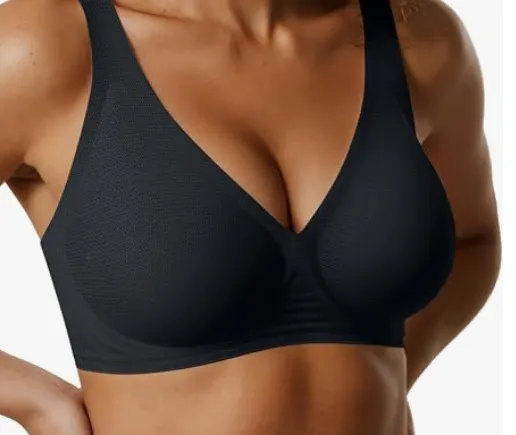
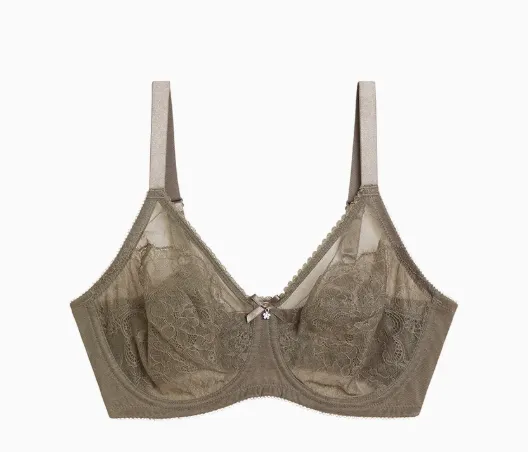
Many people turn to underwire bras when they want a defined shape that remains comfortable for extended periods.
The reason this style continues to perform well comes down to smart engineering rather than trend appeal. A combination of structure, placement, and material choice enables shaping to feel supportive rather than restrictive.
Understanding what drives that effectiveness helps explain why this design remains a dependable option for everyday structure.
Defined Framework Creates Reliable Contours
Structured shaping begins with a clear framework. The wire outlines the base of the bust and establishes boundaries that guide natural placement. This framework helps prevent spreading or flattening that can occur with less structured designs.
By maintaining its shape at the base, the rest of the bra can focus on providing lift and contouring. The result is a clean outline that remains consistent under clothing. A defined structure creates a shaping that looks intentional rather than forced.
Lift Comes From Support At The Base
Practical shaping relies on a lift that starts underneath rather than pulling from above. The wire provides upward support by anchoring the cups close to the torso. This allows the bust to be lifted gently into position without relying heavily on straps.
When the lift originates at the base, pressure is distributed more evenly. This reduces strain and helps maintain shape throughout the day. Support that works from below feels more natural and stable.
Cup Design Enhances Natural Placement
Cup construction plays a major role in shaping effectiveness. Seams, paneling, and fabric tension work together to guide tissue into a balanced position. Well-designed cups support without compressing. They hold shape while allowing the body to settle naturally. This balance prevents exaggerated shaping that can feel uncomfortable. Instead, the result is smooth contouring that complements natural proportions.
Stability Prevents Shape Breakdown
Shaping loses effectiveness when a bra shifts during movement. Structured designs reduce sliding and folding that can distort shape. The wire helps anchor the garment, so it stays aligned as the body moves.
This stability keeps contours intact from morning through evening. When the shape remains consistent, wearers feel more secure and less distracted. Stability is a crucial factor in maintaining a polished appearance throughout daily activities.
Materials Support Structure Without Rigidity
Comfortable shaping depends on materials that support the structure without stiffness. Flexible wire casing, smooth linings, and controlled-stretch fabrics work together to maintain form while allowing for movement.
These materials prevent the bra from feeling brutal or unforgiving. When thoughtful fabric choices support structure, shaping feels wearable rather than restrictive. Comfort and form reinforce each other instead of competing.
Weight Distribution Enhances Visual Balance
Shaping is not only about lift but also about balance. Structured support helps distribute weight evenly across the chest.
This creates symmetry and reduces uneven pressure points. Balanced distribution contributes to a more centered appearance under clothing. It also supports posture by preventing forward pull. Visual balance is a direct result of internal support working correctly.
Consistent Design Builds Trust In Daily Wear
Trust develops when a garment performs the same way every time it is worn. Underwire bras are effective for shaping because they deliver predictable results. The structure does not collapse or change shape easily.
This consistency allows wearers to rely on them for outfits that require defined lines. When shaping feels dependable, it becomes part of a routine. That reliability explains why underwire bras continue to be chosen for structured shaping across different body types and style needs.


















Sign in to leave a comment.