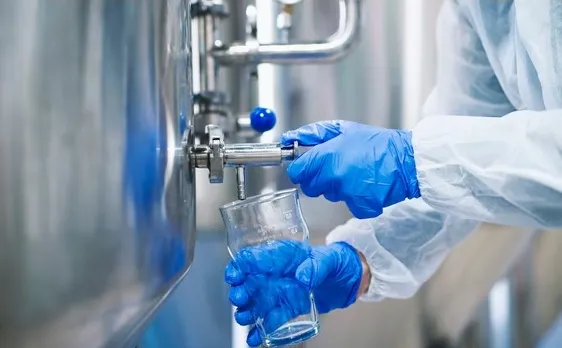

Wastewater Reuse Needs More Than Basic Treatment
Wastewater reuse projects are growing because water pressure is rising across industry, agriculture, municipalities and commercial sites. Many operations can no longer depend only on fresh water supply or traditional discharge methods. They need systems that recover water safely and use it again with confidence. That shift is why water treatment solutions are becoming central to modern reuse planning. Better treatment design is helping projects improve water quality, reduce waste and create more dependable supply options.
Stronger Filtration Is Improving Recovered Water Quality
One of the biggest improvements comes from advanced filtration. Reuse projects now depend on treatment systems that can remove suspended solids, fine particles, organics and dissolved contaminants with greater consistency. Membrane processes such as ultrafiltration and reverse osmosis help produce cleaner water for cooling systems, irrigation networks, process operations and other non-potable uses. When paired with proper pretreatment, these systems also improve plant stability and reduce performance loss over time.
Better Monitoring Supports Daily Reliability
Modern reuse plants also benefit from stronger process visibility. Real-time monitoring helps operators track pressure, turbidity, pH, conductivity and flow without waiting for a performance problem to grow. Automation adds another layer of control by adjusting dosing, issuing alarms and supporting faster responses when water quality shifts. This is where water treatment solutions deliver practical value. They do not simply treat water. They help operators manage risk, protect output quality and maintain more stable daily operation.
Efficient Operation Makes Reuse More Practical
Wastewater reuse projects must work economically as well as technically. Improved pumps, variable frequency drives, energy recovery methods and precise chemical dosing are helping reduce operating strain. These upgrades lower unnecessary power use, reduce chemical waste and support better equipment life. In many projects, the financial case for reuse becomes stronger when treatment systems are designed to operate efficiently under changing conditions rather than through constant manual correction.
Modular Systems Help Projects Scale with Demand
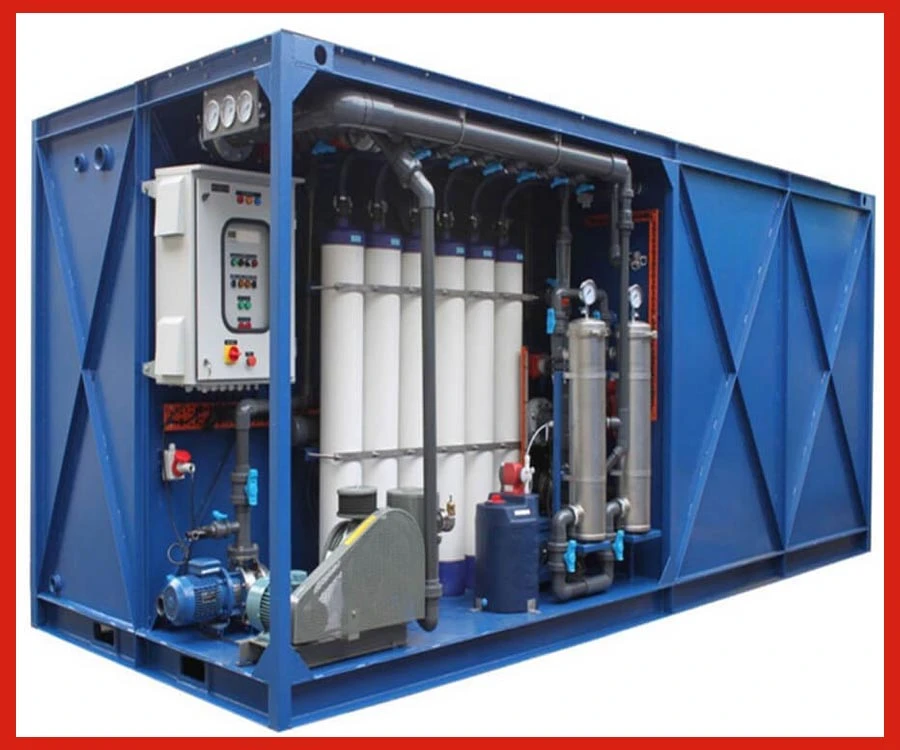
Another important change is the move toward modular treatment design. Skid-mounted and expandable systems allow sites to add capacity with less disruption and shorter installation time. This supports industrial growth, temporary treatment demand and phased reuse expansion. It also gives decision-makers more flexibility when planning future water recovery goals.
Reuse Projects Improve When Treatment Improves
Wastewater reuse works best when the treatment process is reliable, efficient and suited to the intended use. Better filtration, smarter monitoring, lower operating demand and modular design are helping more projects succeed. As reuse becomes a larger part of long-term water planning, well-chosen treatment systems will continue to improve performance and confidence.
Author Resource:-
Lee Wood writes about sustainable and scalable water and wastewater treatment solutions. Ensure uninterrupted flow with our water supply rentals-visit our website now to get started!



























Sign in to leave a comment.