

Milk may look fresh and consistent, but its actual quality depends on several measurable characteristics. For dairy processors, laboratories, farmers, and quality-control teams, checking these characteristics is essential before milk moves further through the supply chain.
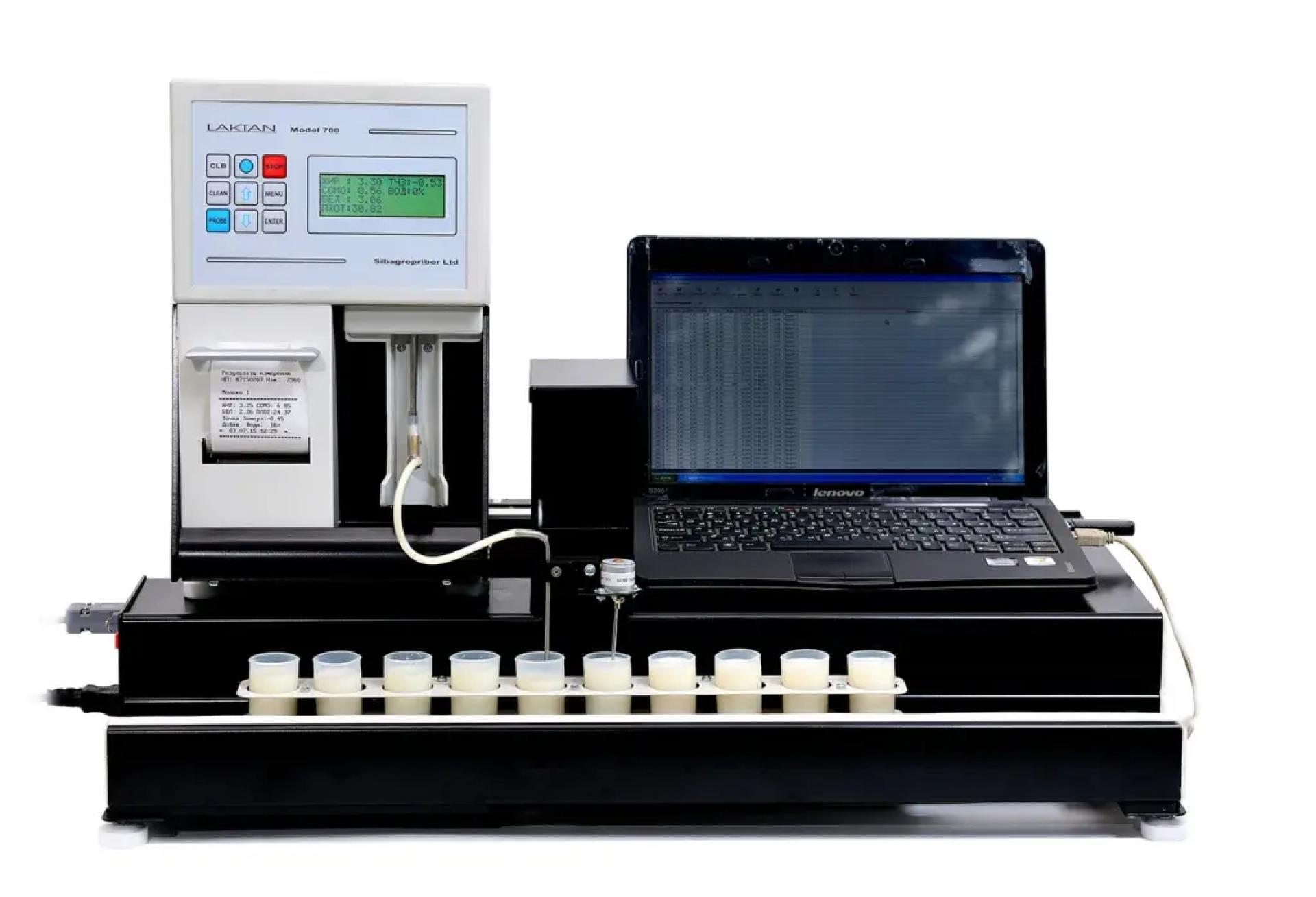
A modern milk testing instrument can provide quick information about milk composition and quality without relying entirely on lengthy laboratory procedures. This makes testing especially useful for businesses handling large quantities of raw or processed milk.
For companies searching for a reliable milk testing instrument supplier in Saudi Arabia, understanding what these instruments can measure is a useful first step when choosing the right solution.
Why Is Milk Testing Important?
Milk quality can vary because of factors such as animal health, feed, storage conditions, handling, transportation, and processing. Even when milk appears normal, its composition may differ significantly from one batch to another.
Routine testing helps identify these differences early.
For example, a dairy processor may test incoming milk before accepting a shipment. If the results show unusual composition or quality characteristics, the batch can be investigated before it enters production.
This approach helps protect product consistency while supporting better quality-control decisions.
Key Parameters Measured by Milk Testing Instruments
Different instruments offer different capabilities, but many modern milk analysers can measure several important parameters within a short testing cycle.
1. Fat Content
Fat is one of the most commonly measured milk components. It directly affects the nutritional profile, taste, texture, and commercial value of many dairy products.
Testing fat percentage helps processors maintain consistent formulations and classify milk according to their production requirements.
2. Protein Content
Protein measurement provides useful information about the nutritional and compositional quality of milk.
It is particularly relevant for dairy processors producing products such as cheese, yogurt, milk powder, and other protein-rich products. Monitoring protein levels can also help manufacturers maintain consistency between batches.
3. Lactose
Lactose is the naturally occurring sugar found in milk. Measuring lactose can provide additional information about milk composition and help processors monitor changes between batches.
For specialized dairy products, lactose measurements may also support formulation and quality-control decisions.
4. Solids-Not-Fat
Solids-not-fat, commonly referred to as SNF, includes components such as proteins, lactose, minerals, and other non-fat solids.
Monitoring SNF can help dairy businesses evaluate milk composition and identify unusual variations. It is often considered alongside fat and other parameters when assessing the overall quality of milk.
5. Total Solids
Total solids represent the combined amount of fat and non-fat solids present in milk.
This measurement can be useful for dairy processing because the concentration of solids influences product yield, consistency, and processing characteristics.
Detecting Changes in Milk Quality
Milk testing instruments can do more than measure composition. Depending on the equipment, they may also provide indicators that help identify potential quality concerns.
Added Water
Unintentional or intentional dilution can change the composition of milk. Certain milk analysers can help identify abnormal changes associated with added water by evaluating parameters such as freezing point or other compositional indicators.
This can help quality-control teams investigate questionable batches.
Freezing Point
Milk's freezing point can provide useful information about its composition. A significant change from expected values may indicate dilution or other compositional changes.
For dairy laboratories and processors, this measurement can therefore be a useful part of incoming-milk quality checks.
Density and Temperature
Some milk analysers measure density and temperature along with other compositional parameters.
Temperature is particularly relevant because milk properties can change depending on storage and handling conditions. Consistent measurement conditions help produce more reliable test results.
How Testing Helps Dairy Businesses in Saudi Arabia
Saudi Arabia has a strong dairy and food-processing sector, making efficient quality control important for producers, processors, laboratories, and suppliers.
Milk can travel through several stages before reaching consumers. Testing at receiving points, processing facilities, or laboratories gives businesses opportunities to identify variations before they affect a larger production batch.
For example, if a processor receives milk with lower-than-expected protein or solids content, the quality team can investigate the source and decide whether additional testing or corrective action is required.
Fast testing also saves time when compared with relying exclusively on lengthy manual analysis for every routine check.
Choosing the Right Milk Testing Instrument
Not every dairy operation needs the same equipment. Before purchasing an instrument, businesses should consider the parameters they need to measure, expected sample volume, testing frequency, required accuracy, ease of operation, and available technical support.
A dependable milk testing instrument supplier in Saudi Arabia can help businesses compare suitable analysers based on their actual application rather than simply choosing equipment with the largest number of features.
Calibration, maintenance, operator training, and after-sales support should also be considered. Reliable equipment is most useful when it can deliver consistent results over time.
Conclusion
Milk quality depends on more than appearance. Parameters such as fat, protein, lactose, SNF, total solids, density, and freezing point provide valuable information about milk composition and help businesses make better quality-control decisions.
For dairy operations in Saudi Arabia, choosing the right testing equipment can improve efficiency, support consistent production, and help identify unusual batches at an early stage.
If your business needs reliable milk analysis solutions, explore suitable instruments based on your testing requirements and contact an experienced milk testing instrument supplier in Saudi Arabia for guidance on selecting the right equipment.
FAQs
What can milk testing instruments measure?
Depending on the model, milk testing instruments can measure fat, protein, lactose, SNF, total solids, density, temperature, freezing point, and other quality-related parameters.
Why is fat testing important in milk?
Fat affects the composition, nutritional value, taste, and processing characteristics of milk. Regular testing helps dairy businesses maintain consistent product specifications.
Can milk analysers detect added water?
Some milk analysers can identify indicators associated with dilution, including changes in freezing point and milk composition. Additional laboratory testing may be required for confirmation depending on the application.
Who needs milk testing instruments?
Dairy farms, milk collection centres, dairy processors, food laboratories, quality-control departments, research facilities, and testing organizations can benefit from milk testing instruments.

























Sign in to leave a comment.