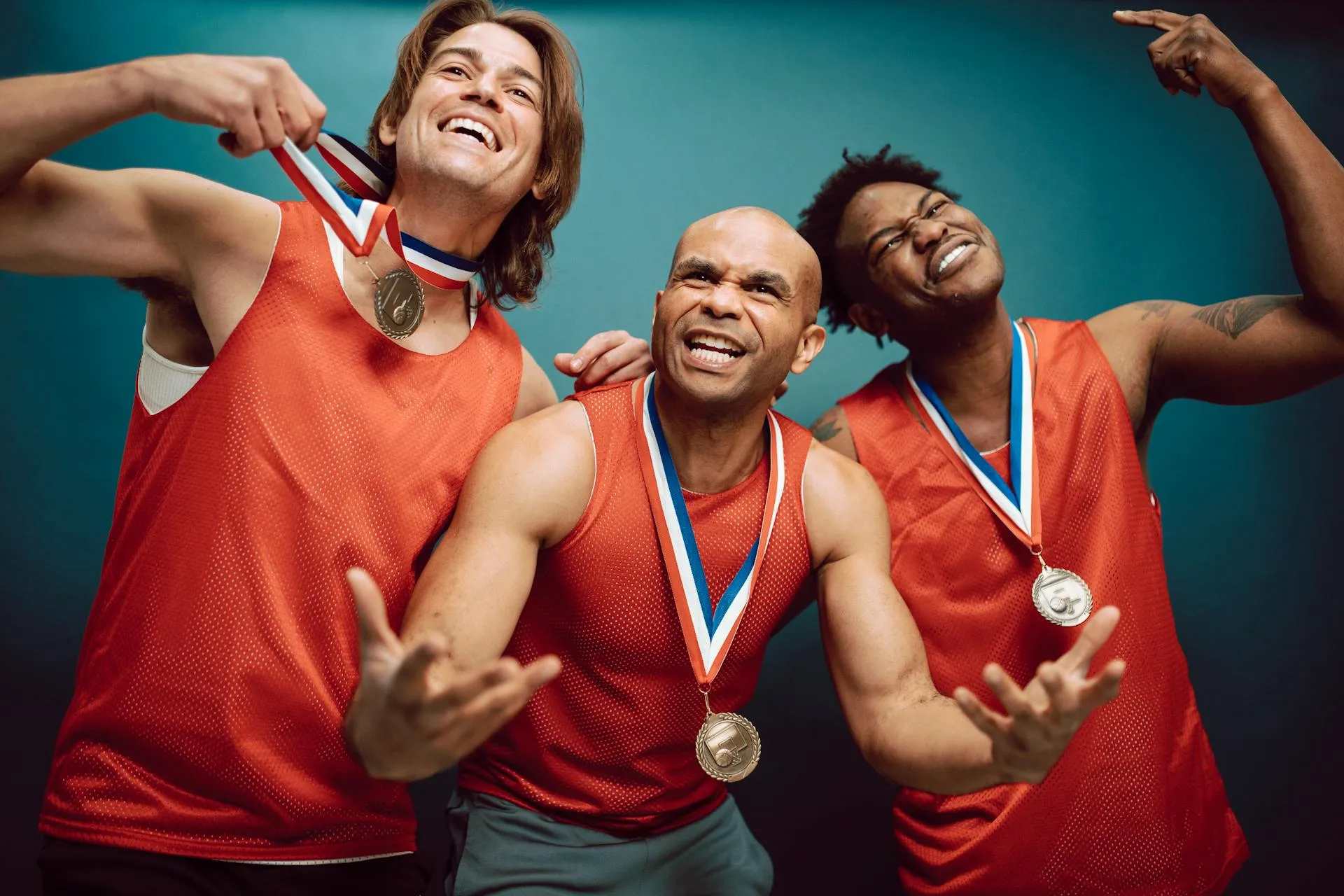

Endurance sports are built on effort that often goes unseen. Training happens early in the morning, late at night, and across months of repetition. Race day may last only a few hours, but it represents countless small decisions to keep going when quitting would have been easier. That’s why physical mementos—medals, bibs, shirts, or tokens—carry more meaning than simple souvenirs.
These objects become anchors for memory and motivation. They hold stories of discomfort overcome, limits pushed, and personal milestones reached. For many runners, cyclists, and triathletes, physical mementos are not about external validation. They are about remembering who they were in a moment of effort and using that memory to move forward.
Memory Anchors in a Physically Demanding Sport
Endurance sports place unique demands on memory. Pain fades, details blur, and what remains is often a general sense of accomplishment. Physical mementos help preserve specificity. A medal recalls the weather that day, the course profile, or the moment the finish line came into view.
Psychologically, these objects act as memory cues. Holding or seeing a memento can trigger vivid recollection, pulling back emotions and sensations tied to the event. This process strengthens narrative memory, allowing athletes to integrate the experience into their broader sense of identity.
Instead of becoming just “a race I did once,” the event becomes a meaningful chapter, one that can be revisited long after muscles have recovered.
Motivation Beyond the Finish Line
Motivation in endurance sports is rarely sustained by a single goal. It ebbs and flows, especially during long training cycles. Physical mementos play an important role in bridging that gap between past achievement and future effort.
Seeing a medal from a previous race can remind an athlete that they have endured hard things before. This reminder is especially powerful during moments of doubt or fatigue. The object becomes evidence of capability, reinforcing self‑belief when motivation dips.
Unlike digital stats or social media posts, physical mementos occupy real space. They’re encountered passively—on a shelf, in a drawer, or hanging on a wall—creating repeated, low‑effort reminders of resilience.
Tangibility and the Psychology of Achievement
There is something psychologically distinct about tangible rewards. Endurance sports often involve delayed gratification; months of work lead to a brief outcome. A physical memento extends that outcome into daily life.
Research on motivation suggests that tangible symbols of achievement can reinforce goal‑oriented behavior by making abstract effort concrete. In endurance sports, where progress is often slow and incremental, this concreteness matters.
Objects associated with achievement can also reduce the sense that effort was “wasted” once the event is over. They help athletes frame the experience as something enduring rather than fleeting.
Community, Belonging, and Shared Symbols
Endurance sports are deeply communal, even when participants compete individually. Physical mementos serve as shared symbols within these communities. Spotting a familiar race medal or shirt can spark conversation and instant connection between strangers.
This shared recognition reinforces belonging. Athletes recognize each other not just by performance level, but by participation and persistence. The memento becomes shorthand for shared values: discipline, perseverance, and respect for the challenge.
Race organizers often understand this social role, which is why design choices matter. Thoughtful, well‑crafted items signal that the effort of participants is valued, strengthening community bonds.
Personalization and Meaning Over Time
Not all mementos age equally. Some gain significance as time passes, especially when they represent turning points—first races, comeback events, or milestone distances. Personalization enhances this effect.
Details like date, distance, location, or finish time transform generic items into personal artifacts. Over years, these details help athletes track growth and change, both physically and emotionally.
This is where custom race medals become especially meaningful. When a memento reflects the character of an event or the journey it represents, it is more likely to be kept, displayed, and revisited rather than forgotten in storage.
When Memory Supports Mental Health
Endurance sports are often intertwined with mental health. Many athletes use running or cycling to manage stress, anxiety, or major life transitions. Physical mementos can support this relationship by serving as reminders of coping and resilience.
During periods of low motivation or personal difficulty, revisiting past accomplishments can help reframe challenges. The memento doesn’t erase hardship, but it provides context: “I have survived discomfort before.”
This reflective function can be grounding. It shifts focus from immediate struggle to long‑term capacity, reinforcing a sense of continuity and strength.
The Balance Between External Rewards and Internal Meaning
It’s important to note that physical mementos are most effective when they support internal motivation rather than replace it. The goal is not to chase objects, but to honor effort.
When athletes attach meaning to the process—training, persistence, community—the memento becomes a symbol of those values. Without that internal connection, objects lose their power quickly.
The healthiest relationship with physical mementos treats them as reminders, not reasons. They point back to effort, not forward to external validation.
Conclusion
Physical mementos in endurance sports do far more than mark a finish line. They support memory, reinforce motivation, and strengthen identity long after the race is over. By providing tangible reminders of effort and resilience, these objects help athletes carry their experiences into everyday life.
In a sport defined by invisible work and internal battles, physical symbols offer continuity. They remind athletes not just of what they achieved, but of who they became in the process—and that memory can be as motivating as the next race itself.























Sign in to leave a comment.