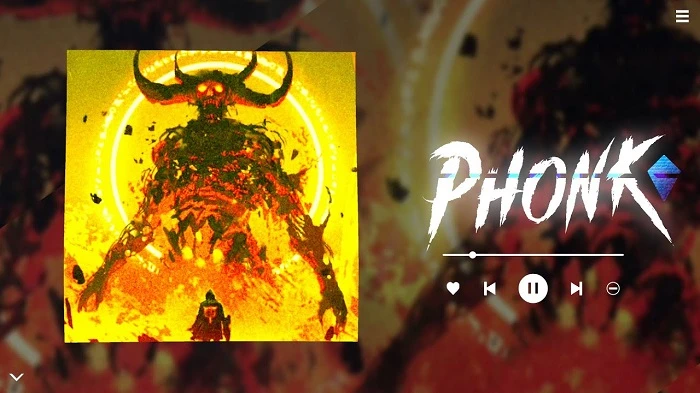

Phonk music has evolved from a niche internet subculture into a globally recognized sound that resonates with listeners across continents. Rooted in Southern hip-hop, chopped-and-screwed techniques, and Memphis rap aesthetics, Phonk Music has found renewed popularity through digital platforms, gaming culture, and social media. What makes this genre particularly fascinating is how it has been adopted, reshaped, and amplified in different regions, each bringing its own cultural context and creative interpretation.
The worldwide embrace of phonk reflects broader trends in music consumption, where online communities and algorithm-driven discovery allow underground genres to flourish beyond their places of origin. By examining the regions where phonk has gained traction, it becomes possible to understand how global youth culture, digital platforms, and local identities converge around a shared sonic aesthetic.
Origins and Global Expansion of Phonk
Before exploring regional adoption, it is important to understand how phonk traveled beyond its early boundaries.
Digital Platforms as Catalysts
Phonk’s resurgence owes much to platforms such as SoundCloud, YouTube, and TikTok. These spaces enabled producers to share tracks without industry mediation, allowing the genre’s lo-fi textures, distorted basslines, and nostalgic samples to circulate rapidly.
Algorithmic recommendation systems further accelerated its spread, introducing phonk to audiences who may not have actively sought it out.
The Role of Visual Culture
Phonk music often travels alongside visual elements such as drifting cars, anime edits, urban nightscapes, and retro graphics. These visuals help define the genre’s identity and make it easily recognizable across cultural boundaries.
This strong audiovisual association has contributed to its international appeal.
Eastern Europe and the Rise of Drift Phonk
Eastern Europe has become one of the most influential regions in the modern phonk movement.
Russia and Ukraine as Creative Hubs
Producers from Russia and Ukraine have played a central role in shaping contemporary phonk, particularly the substyle known as drift phonk. Characterized by aggressive bass, fast tempos, and darker atmospheres, this variation gained massive popularity through automotive and street racing videos.
In these regions, phonk music resonates with urban youth culture, blending themes of rebellion, speed, and underground identity.
Cultural Resonance and Aesthetic Alignment
The gritty, melancholic tone of phonk aligns with post-industrial cityscapes and a sense of raw realism present in much Eastern European youth culture. This alignment has allowed the genre to feel authentic rather than imported.
As a result, Eastern Europe is not just consuming phonk but actively redefining its sound.
Global Echoes: How Phonk Music Transcends Borders
Phonk Music thrives globally because it adapts easily to regional identities while maintaining a recognizable core sound. Its reliance on mood, texture, and rhythm rather than lyrical clarity makes it accessible across languages and cultures.
This adaptability has allowed phonk to embed itself in diverse musical landscapes.
North America: Roots and Reinvention
North America remains foundational to phonk’s identity, even as its influence evolves.
Southern United States and Cultural Legacy
Phonk draws heavily from Southern hip-hop traditions, particularly Memphis rap of the 1990s. In the United States, the genre continues to be embraced by listeners interested in underground and nostalgic sounds.
Producers and DJs revisit early influences while incorporating modern production techniques, maintaining a dialogue between past and present.
Online Communities and Subcultures
In North America, phonk thrives in online spaces rather than mainstream charts. Gaming communities, street culture enthusiasts, and independent music forums play a significant role in sustaining interest.
This decentralized presence reflects the genre’s resistance to commercialization.
Western Europe and Youth Subcultures
Western Europe has also embraced phonk, particularly among younger audiences.
France, Germany, and the United Kingdom
In countries such as France and Germany, phonk has been adopted within electronic music scenes that value experimentation. Clubs and online collectives explore phonk’s fusion with techno, trap, and industrial sounds.
In the United Kingdom, phonk appeals to audiences familiar with bass-heavy genres, finding a natural home alongside grime and UK garage influences.
Artistic Experimentation
Western European producers often focus on blending phonk with local electronic traditions. This results in hybrid sounds that maintain phonk’s atmosphere while expanding its musical vocabulary.
Such experimentation reinforces the genre’s global adaptability.
Latin America and Urban Youth Culture
Phonk’s influence is increasingly visible in Latin America.
Brazil and Mexico
In Brazil, phonk intersects with street racing culture, dance communities, and online remix scenes. The genre’s dark energy complements visuals of urban nightlife and automotive expression.
Mexico has seen similar adoption, with phonk tracks frequently used in social media edits and underground playlists.
Cultural Fusion
Latin American creators often blend phonk with regional rhythms and stylistic elements. This fusion creates localized interpretations that reflect both global trends and local identities.
Phonk music thus becomes a canvas for cultural dialogue rather than imitation.
East and Southeast Asia: Digital Adoption
Asian regions are engaging with phonk primarily through digital culture.
Japan and South Korea
In Japan, phonk resonates with fans of lo-fi, vaporwave, and underground hip-hop. Its atmospheric qualities align with existing niche genres, making integration seamless.
South Korea’s online music communities have also adopted phonk, particularly in gaming and streaming contexts.
Southeast Asian Online Communities
Countries in Southeast Asia, such as Indonesia and Thailand, show growing interest in phonk through social media platforms. Young creators experiment with the genre, contributing to its spread.
The digital-first nature of phonk makes it especially accessible in regions with strong online engagement.
Middle East and Emerging Scenes
Phonk’s presence in the Middle East is more subtle but growing.
Underground Appeal
In regions where mainstream music is tightly regulated, phonk finds a place in underground digital communities. Its instrumental focus allows listeners to engage without cultural barriers.
This quiet adoption reflects phonk’s flexibility and subtle influence.
Africa and Diaspora Connections
Africa’s engagement with phonk is emerging, often through diaspora connections.
South Africa and Urban Sounds
South African producers and listeners encounter phonk through global platforms. Its heavy bass and rhythmic focus resonate with local electronic and hip-hop scenes.
As internet access expands, phonk’s presence is likely to grow.
Why Phonk Music Resonates Globally
Several factors explain phonk’s worldwide appeal.
Emotional Universality
Phonk emphasizes mood over narrative. Its dark, introspective tone speaks to universal emotions such as tension, nostalgia, and defiance.
This emotional accessibility transcends language barriers.
Community-Driven Growth
Phonk’s growth is largely community-driven rather than industry-led. Online sharing, remix culture, and visual associations sustain its popularity.
This grassroots model allows organic regional adaptation.
The Future of Phonk Music Worldwide
Phonk music continues to evolve as regions reinterpret its sound.
Regional Innovation
As more regions engage with phonk, new substyles and fusions are likely to emerge. This ongoing innovation keeps the genre dynamic and relevant.
Sustained Global Presence
Rather than peaking and fading, phonk appears positioned for long-term global influence due to its adaptability and digital foundation.
Conclusion
Phonk Music has transcended its origins to become a global phenomenon embraced by diverse regions worldwide. From Eastern Europe’s drift phonk dominance to Western Europe’s experimental hybrids, from Latin America’s urban fusion to Asia’s digital adoption, the genre reflects the interconnected nature of modern music culture.
Its ability to adapt to local identities while maintaining a recognizable aesthetic ensures its continued relevance. As global communities continue to engage with phonk, the genre stands as a testament to how underground sounds can travel, transform, and thrive in a digitally connected world.

































Sign in to leave a comment.