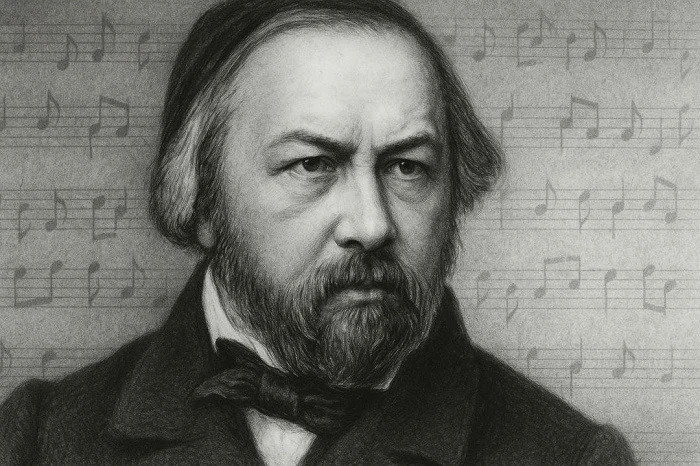

The history of Western art music is deeply enriched by the contributions of Russian composers, whose works have left a distinctive and enduring imprint on orchestral, operatic, and choral traditions. From the nineteenth century onward, music emerging from Russia developed a recognizable character that set it apart from Western European models, even as it dialogued with them. The stylistic traits that unite Russian composers are not the result of a single school or ideology but arise from shared cultural experiences, historical circumstances, and aesthetic priorities. Examining these traits reveals how Russian musical identity was formed and why it continues to resonate so powerfully across genres and generations.
Historical and Cultural Foundations
National Consciousness and Cultural Identity
One of the most unifying traits among Russian composers is a strong sense of national consciousness. During the nineteenth century, Russia was engaged in an ongoing effort to define itself culturally in relation to Western Europe. This quest for identity found powerful expression in music. Composers sought to create works that sounded unmistakably Russian, reflecting local traditions, language, and historical memory.
This emphasis on national character did not always take the same form. Some composers consciously rejected Western academic conventions, while others integrated them selectively. Despite these differences, the shared goal of expressing Russian identity serves as a foundational stylistic bond. Music became a medium through which cultural independence and self-definition could be articulated.
The Role of History and Collective Memory
Russian composers frequently drew inspiration from national history, folklore, and legend. Operas, symphonic poems, and choral works often depict historical figures, epic struggles, or mythic narratives. This engagement with the past fostered a dramatic and often monumental musical style.
The sense of history embedded in Russian music contributes to its emotional weight. Composers treated historical subjects not merely as stories but as reflections of collective experience, reinforcing a shared stylistic inclination toward grandeur, seriousness, and moral depth.
Melodic Language and Folk Influence
Folk Song as a Structural Element
A defining stylistic trait uniting Russian composers is the pervasive influence of folk music. Rather than serving as decorative material, folk melodies often form the structural core of compositions. Their modal scales, narrow ranges, and repetitive patterns shape the melodic language of Russian art music.
This reliance on folk material distinguishes Russian composers from many Western counterparts, who tended to favor harmonically driven thematic development. In Russian music, melody often takes precedence, unfolding expansively and with a sense of narrative continuity rooted in oral tradition.
Speech-Like Melodic Contours
Closely related to folk influence is the tendency toward speech-like melodic writing. Russian composers frequently shaped melodies to mirror the natural rhythms and inflections of the Russian language. This trait is especially evident in vocal music, where declamation and clarity of text are prioritized.
Even in instrumental works, melodic lines often possess a vocal quality, emphasizing expressive contour over virtuosic display. This approach reinforces the communicative and emotional immediacy that characterizes much Russian music.
Harmonic and Tonal Characteristics
Modal Harmony and Tonal Ambiguity
Russian composers often favored modal harmony over strictly functional tonality. Modes derived from folk music introduced tonal ambiguity, blurring the sense of conventional harmonic progression. This modal coloring contributes to the distinctive atmosphere of Russian compositions, which can feel simultaneously grounded and elusive.
Such harmonic practices allowed composers to evoke archaic, mystical, or introspective moods. The resulting sound world sets Russian music apart from the clearer tonal narratives typical of German or Italian traditions.
Bold Use of Dissonance and Color
While not uniformly avant-garde, many Russian composers demonstrated a willingness to explore striking harmonic colors. Dissonance was frequently employed for expressive rather than purely structural purposes, heightening emotional tension or suggesting psychological depth.
This emphasis on color aligns with a broader stylistic tendency to prioritize atmosphere. Harmony serves not only to support melody but to create a vivid sonic landscape that engages the listener’s imagination.
Orchestration and Sonic Imagination
Rich Orchestral Palette
Russian composers are widely recognized for their imaginative orchestration. They exploited the full range of orchestral color, combining instruments in novel ways to achieve distinctive timbres. This trait reflects both technical mastery and a keen sensitivity to sound as an expressive medium.
The orchestral writing of Russian composers often emphasizes depth and weight, with dark string textures, prominent brass, and evocative use of low registers. These choices contribute to the dramatic and sometimes brooding character associated with Russian music.
Atmosphere and Dramatic Contrast
Another unifying stylistic feature is the use of sharp contrasts in dynamics, texture, and mood. Russian compositions frequently move between extremes, from hushed introspection to overwhelming intensity. This dramatic approach mirrors the emotional and philosophical scope of the subjects they address.
Such contrasts are not merely theatrical but serve structural purposes, shaping large-scale musical narratives. The listener is drawn into a journey marked by tension, release, and transformation.
Emotional Depth and Psychological Intensity
Exploration of the Inner World
Russian composers often exhibited a pronounced interest in psychological and emotional complexity. Their music delves into themes of suffering, faith, doubt, and transcendence. This inward focus gives Russian music its reputation for emotional seriousness and depth.
Rather than idealizing beauty alone, Russian compositions frequently confront darker aspects of human experience. This willingness to explore inner turmoil unites composers across different periods and stylistic orientations.
Spiritual and Philosophical Dimensions
Spirituality also plays a significant role in uniting Russian composers stylistically. Sacred music traditions, particularly those of the Russian Orthodox Church, influenced harmonic language, texture, and overall aesthetic. Chant-like melodies, slow-moving harmonies, and meditative pacing appear even in secular works.
This spiritual undercurrent lends Russian music a contemplative quality, inviting reflection beyond purely musical concerns. The integration of philosophical and religious ideas contributes to its lasting emotional impact.
Relationship with Western Traditions
Selective Assimilation and Transformation
Russian composers did not develop in isolation from Western Europe. Many were trained in Western techniques and admired composers from Germany, Italy, and France. What unites them stylistically is not rejection of these influences but selective assimilation.
Western forms such as the symphony, opera, and sonata were adapted to serve Russian expressive goals. This process of transformation resulted in works that feel familiar in structure yet distinct in spirit, balancing international technique with national character.
Tension Between Innovation and Tradition
A recurring stylistic tension among Russian composers lies between reverence for tradition and the drive for innovation. Some composers leaned toward conservatism, preserving folk and sacred elements, while others pushed harmonic and formal boundaries. Despite these differences, both approaches reflect a shared concern with authenticity and expression.
This dynamic tension enriched Russian music, allowing it to evolve while retaining a recognizable identity.
Conclusion
The stylistic traits that unite Russian composers emerge from a complex interplay of national identity, folk tradition, harmonic innovation, and emotional depth. From melodic language shaped by folk song to orchestration rich in color and atmosphere, Russian music reflects a shared aesthetic vision rooted in cultural history and collective experience. The emphasis on psychological intensity, spiritual reflection, and dramatic contrast further reinforces this unity.
While individual Russian composers pursued diverse paths, their works collectively reveal a coherent musical character that continues to captivate audiences worldwide. The enduring legacy of Russian Composers lies in their ability to transform local traditions into universally compelling art, forging a style that is both deeply rooted and endlessly expressive.

































Sign in to leave a comment.