
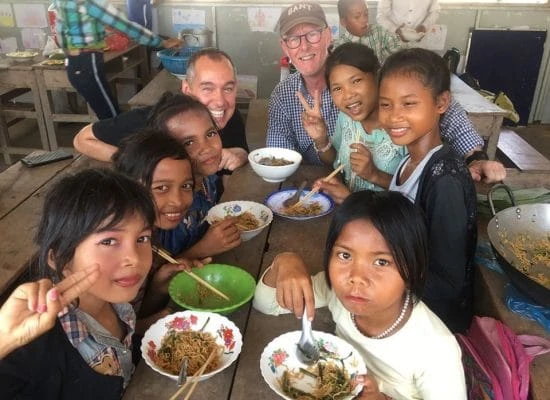
Elephants are an unforgettable experience and a person's interest in animals and conservation will be elevated and enriched by spending time with them. But selecting an elephant volunteering opportunity shouldn't just be a matter of viewing a picture or just selecting a place. A good and ethical project is as important as the experience itself.
There are numerous elephant volunteer programs around the world, and it is essential to understand what responsible elephant volunteering is, what some of the daily activities you may conduct will be like and how your presence can help elephant welfare and the conservation of these magnificent animals.
What is an Elephant Volunteer Program?
Elephant volunteer programs allow volunteers to engage in activities related to elephant welfare, habitat preservation, conservation, education, and/or community development.
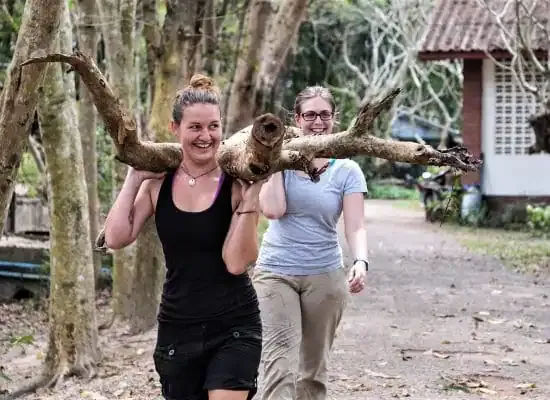
Volunteers can assist in the preparation of food, enclosure upkeep and maintenance of enclosures and living area, cleaning enclosures and living areas, gathering observations, assisting with enrichment programs, and/or general project maintenance depending on the project.
In some projects, there's also cooperation with local communities that coexist with elephants. The following initiatives could be effective in mitigating issues like habitat loss, human-elephant conflict, and the negative impact of tourism.
Read the description of the project carefully before applying to know what you will be asked to do.
Why does ethicalElephant Volunteering matter?
Elephants are social and intelligent animals whose physical and emotional needs are complex. As a result, the welfare of the animals should never be sacrificed for entertainment and responsible elephant tourism should always prioritize animal welfare.
There should be no activity that induces stress, discomfort or unnatural behaviour in a good volunteering project. Beware of programs that are attractive to visitors, but involve close physical contact, performances, riding, or other activities.
Rather, seek out projects where elephants can be free to act normally and receive treatment that is tailored to each elephant's particular needs.
Ethical volunteering is to contribute to professional teams and established conservation programs, not for the sake of being exposed to wildlife experiences.
As an Elephant Volunteer, what might you do?
Your tasks will vary with the type of organisation and the needs of the elephants. Volunteers will not be constantly around the animals, they will be doing practical work.
Some typical tasks could involve preparing food, cleaning areas, assisting to support facilities, gathering vegetation, assisting in enrichment activities or supporting staff with general project work.
Educational activities or conservation research may also be a part of some programs. Specific opportunities may be available for volunteers who have academic or professional background in the relevant areas, to work on specific tasks.
It is a physically demanding task at times. It can be created outdoors, in the early morning, while walking, in the process of cleaning, or by doing other manual work.
What is a Responsible Project?
Before heading out on an elephant volunteering experience, it is important to research.
Find out who is responsible for the project and if anyone is experienced in the local area working with the animals on a day-to-day basis. The organisation should have clear goals, animal welfare policies, volunteer responsibilities and program fees policy.
Carefully examine the activities provided. Look at how programs focus on taking photos or getting close to elephants and ask yourself if this is really about animal welfare.
Also helpful is to read reviews from others and to ask questions before you book. A good organisation will be able to describe how its volunteers help and how the project's impact is being measured.
What do you think you'll get out of it?
Volunteering as an elephant could have its ups and downs. A lot of this work may be mundane and routine tasks that are crucial to ensure that a project runs smoothly.
You can work in the outdoors, warm or wet conditions, and do work that requires physical exertion. Patience is also a key requirement as animal welfare work is not a set agenda but a response to the needs of the animals.
The benefit is not only for the animal but also part of a broader initiative to enhance animal welfare and conservation. Volunteers can also gain knowledge about elephant behavior, the ecosystems of the area, environmental issues, and the communities involved with the project.
Can they fit?
Yes. The opportunities for elephant conservation and welfare are frequently part of a larger volunteer project abroad.
Volunteering can be an opportunity for travellers who are looking for something more than just a traditional vacation, to become involved with local initiatives while learning about another culture and environment.
Volunteer work overseas projects can encompass a variety of fields from wildlife conservation to animal welfare, education, community development, and environmental protection. It's important to select a project you are interested in to make the experience rewarding.
If you are especially interested in elephants, seek out a project that takes elephant welfare into account within a broader conservation program and not as a separate tourist experience.
What to Bring and Plan for?
There are ways to make volunteering easier. Wearing comfortable clothes, sturdy shoes, protecting from the sun, having reusable water bottles, and using the correct gear outdoors are helpful.
It is also important to understand local customs and abide by the organisation's rules. Respect is also given to local communities, as well as to wildlife.
Please review the accommodations, meals, transportation, insurance, and any recommended immunizations or travel documents prior to departure for the project.
The most important is to come with the right mindset. This is a working project and not just "animal encounter" payment.
Use Your Elephant Volunteering Experience to Make it Count!
The best elephant volunteer programs are the ones that are also responsible in their treatment of the animals and have long-term conservation initiatives as well. With a bit of planning, you can have an enjoyable experience and can ensure that your involvement will benefit the animals and communities involved.
If you are thinking of a short placement or a longer stay, keep in mind the importance of ethical practices, local involvement, transparency and conservation value.
With careful selection of volunteer opportunities overseas, your travels could be more than a memorable adventure. It can be a chance to learn, contribute and contribute to a project that continues to make an impact even after you're gone.
Ready to make a difference for elephants? Contact Globalteer today and start your meaningful volunteering journey abroad.




















Sign in to leave a comment.