

Starting out in archery can feel exciting, challenging, and maybe intimidating. You’re learning to handle the bow, steady your aim, and read the rhythm of each shot. But before you even start shooting, there’s an important question to answer: what size archery targets should you practice on?
Choosing the right size is crucial for your progress and confidence in practice. If the target is too small, it can lead to frustration and discouragement. Conversely, if it's too large, you might struggle to sharpen your skills and accuracy.
Let’s dive into how to determine the ideal target size for those just starting out.
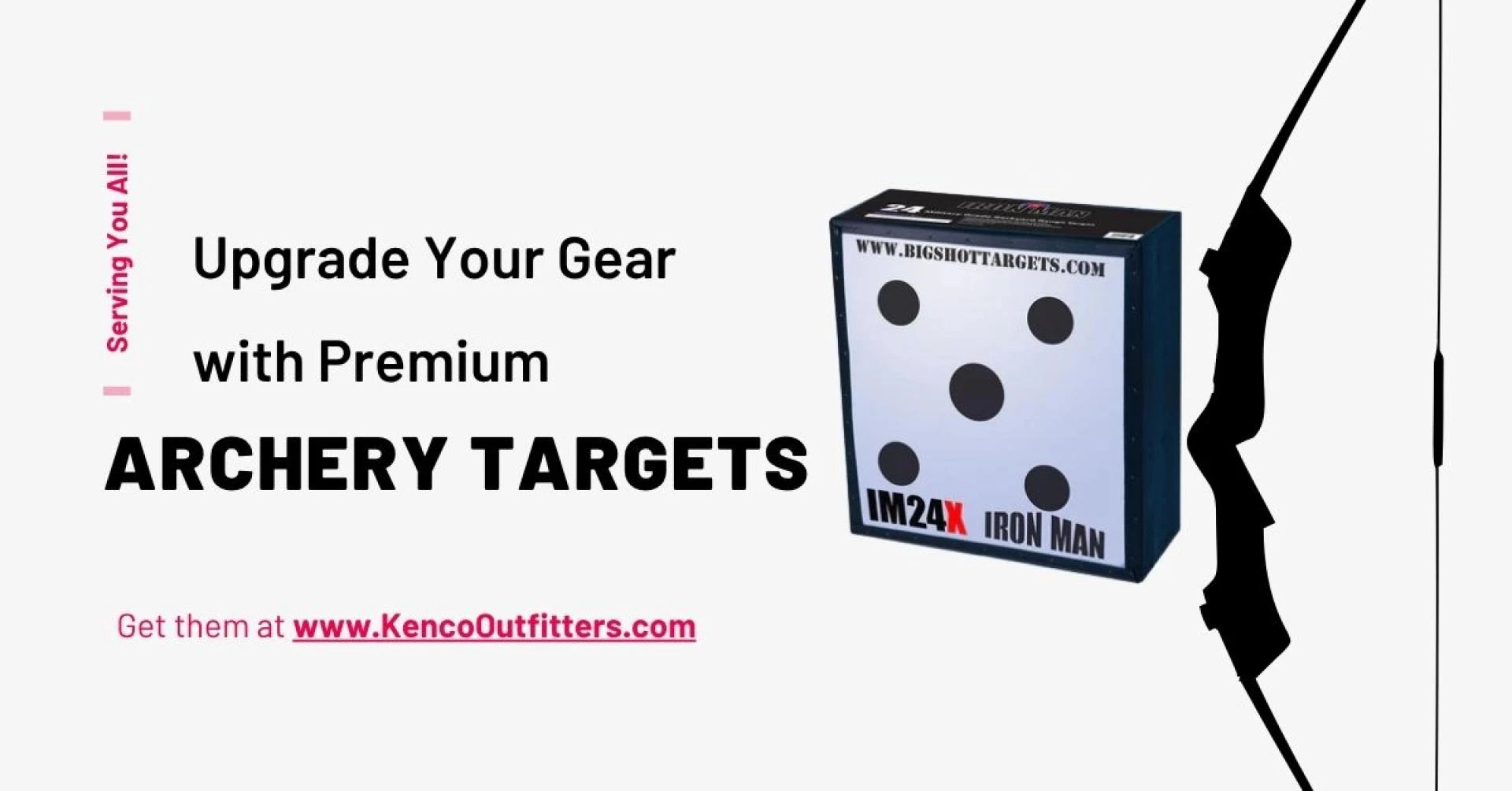
Why Target Size Matters?
When you’re new to archery, you focus on building consistency, learning how to draw, aim, and release smoothly. The right target size gives you enough room for error while encouraging accuracy.
A target that’s too small for your skill level can be discouraging, making you feel like you’re missing more than hitting. On the other hand, a huge target might make it harder to gauge your progress because nearly every arrow lands somewhere on it.
Striking the right balance sets you up for both confidence and skill growth.
Common Target Sizes
Archery targets come in a variety of sizes, but beginners most often use:
- 80 cm targets: Often used in competitions for shorter shooting distances.
- 122 cm targets: Standard size for Olympic-style shooting at longer distances.
- Smaller foam or block targets: Vary from about 18 to 36 inches in diameter for backyard practice.
For beginners, the choice depends on your shooting distance, bow type, and whether you’re practicing for fun or with competitive goals in mind.
The Ideal Size for Beginners
If you’re just getting started and shooting at a short range, a target with a diameter between 24 and 36 inches is often ideal. This gives you a generous hitting area without making it too easy. The larger size allows for early success, which builds motivation but still requires you to work on aim and consistency.
For those planning to move into competitive archery later, practicing on an 80 cm face at shorter distances can be a great way to prepare for future events while keeping things manageable.
Matching Target Size to Distance
The further away you stand, the smaller your archery target will appear and that’s where size selection becomes even more important.
Here’s a quick guide:
- 10–15 yards: A 24–36 inch target is beginner-friendly.
- 20–30 yards: A 36–48 inch target helps you maintain accuracy as the target appears smaller.
- Beyond 30 yards: Consider practicing on competition-size faces like 80 cm or 122 cm to simulate real conditions.
By gradually reducing your target size as your skill improves, you challenge yourself without setting unrealistic expectations.
Type of Target Material Matters Too
While size is important, the material of the target also plays a role in your training. Beginners often benefit from foam block targets or bag targets because they’re forgiving on arrows and easy to transport.
If you plan to shoot regularly, investing in a durable, weather-resistant target can save money in the long run. Some beginners even prefer modular targets that let you replace just the worn-out sections instead of the whole thing.
Finding the Perfect Target Size for Your Start
The best archery target size for a beginner is one that challenges you without discouraging you. A 24–36 inch diameter is a safe and practical choice for most newcomers shooting at short to medium distances. As you improve, you can gradually reduce the size or increase the distance to keep pushing your skills.
Remember, the goal at the start isn’t to be perfect but to build a foundation that will make you a confident and accurate archer. With the right-sized target, consistent practice, and a bit of patience, you’ll be hitting your mark more often than you miss and enjoying every shot along the way.




















Sign in to leave a comment.