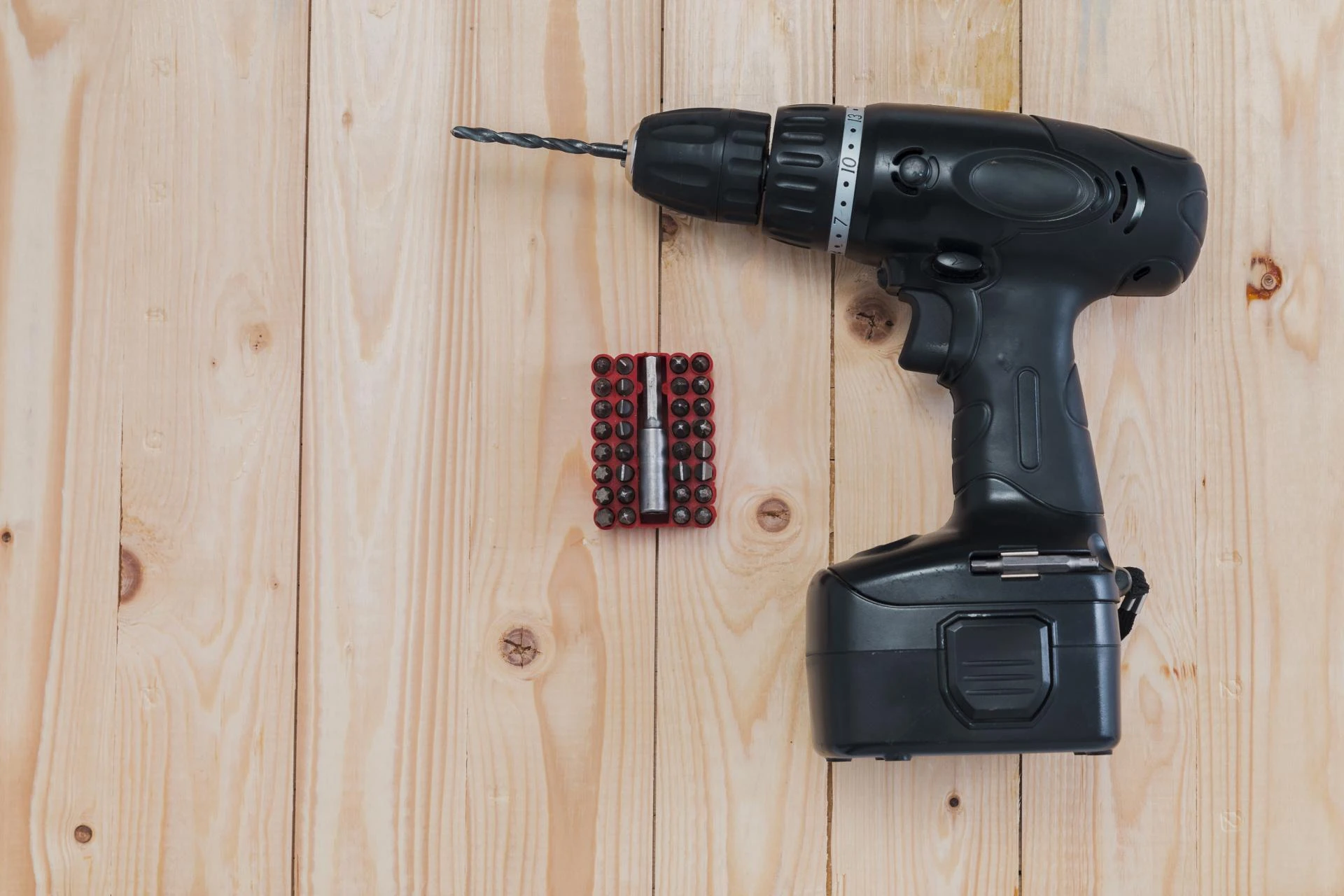

When it comes to home improvement, having the right tools can make or break your project—literally. Among the most essential tools is a cordless drill, known for its convenience, versatility, and power. But with so many models on the market, choosing the right drill size and voltage for your needs can be overwhelming.
This guide will help you understand what size cordless drill you need for home use, whether you’re hanging a picture or assembling furniture.
Understanding Cordless Drill Sizes
🔩 What Does “Drill Size” Really Mean?
When people talk about the "size" of a drill, they usually mean two things:
- Chuck size – Most common sizes are ⅜" and ½". A ⅜-inch chuck is suitable for light-duty tasks, while a ½-inch chuck is better for heavier work.
- Power output – Usually measured in voltage (V), which determines how much torque your drill can deliver.
If you're new to DIY, stick with a cordless drill size guide and avoid overpowered tools that may be bulky or hard to control.
Voltage Explained: 12V vs 18V vs 20V
When shopping for a drill, you'll often see labels like 12V, 18V, or even 20V. But what do they mean?
- 12V Cordless Drills: Lightweight and ideal for basic tasks like hanging curtains or assembling shelves. Perfect for first-time homeowners.
- 18V/20V Cordless Drills: Offer more power and torque, making them suitable for drilling into wood, metal, and even masonry. Great for weekend DIYers or those planning larger home projects.
12V vs 18V cordless drill for DIY?
If you plan on only doing light home repairs, go with a 12V. For more versatility, an 18V drill is worth the investment.
Choosing the Right Cordless Drill for Home Use
🛠️ What Size Cordless Drill for Home Use Is Best?
For most homeowners, a 12V or 18V cordless drill with a ⅜" chuck is the sweet spot. It's powerful enough for 90% of common home tasks without being too heavy.
When choosing a cordless drill for small tasks, look for one that’s compact, ergonomic, and comes with variable speed settings.
Best Cordless Drill for Hanging Pictures, Shelves, and Furniture Assembly
Simple jobs like drilling into drywall or screwing in shelf brackets don’t require excessive power. A lightweight cordless drill for small tasks—typically 12V—is more than sufficient.
For furniture assembly or light carpentry, consider an 18V cordless drill with good torque control to avoid stripping screws.
Recommended Cordless Drills for Homeowners
If you're building your first toolkit or upgrading your current one, here are a few features to look for:
- Lithium-ion battery with at least 1.5Ah capacity
- LED work light
- Variable speed settings
- Good grip and balance
Many brands offer cordless drill buying guides for homeowners, so check for reviews before purchasing.
Common Mistakes When Choosing a Drill
Avoid these pitfalls:
- Overbuying power: A 20V drill may be overkill for simple home tasks.
- Ignoring ergonomics: Weight and grip matter if you’re using it often.
- Skipping battery specs: Lower Ah means shorter run time.
Reading a proper cordless drill size guide for beginners can help you avoid wasting money or buying the wrong tool.
Conclusion: Choose Smart, Drill Smarter
The best cordless drill for home projects is one that suits your actual needs—not just the biggest or most expensive option. For most people, a 12V or 18V cordless drill is ideal. If you're still unsure, think about your most common tasks and buy a drill that balances power, comfort, and affordability.
Still on the fence about what to choose? Drop your questions in the comments or reach out—we’re happy to help you find the best drill for home repairs and DIY tasks.






























Sign in to leave a comment.