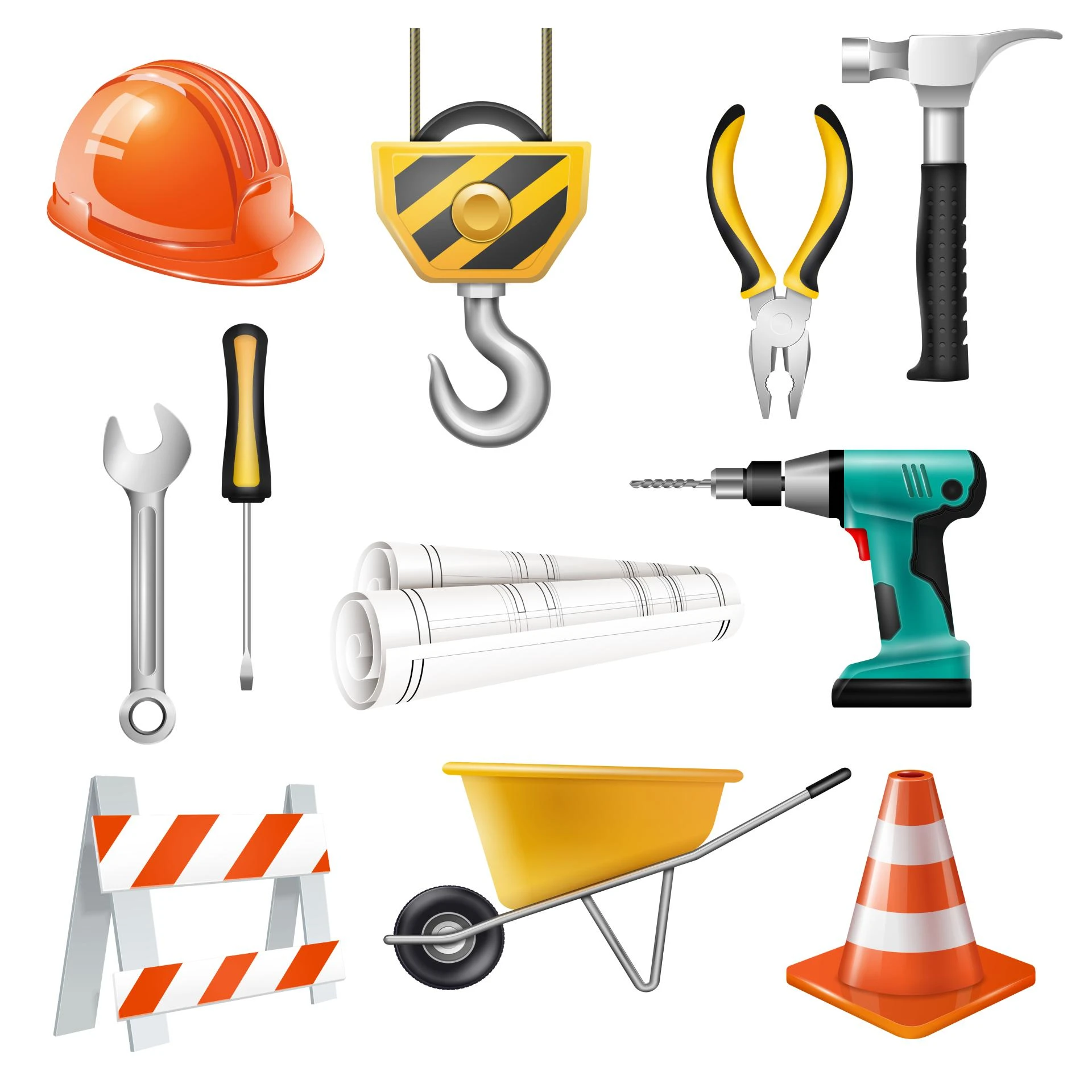

Whether you’re a construction professional, a DIY enthusiast, or just stepping into the world of building and repair work, understanding the basics of construction hand and power tools is essential. These tools form the backbone of every project — from small home repairs to large-scale construction sites.
This beginner’s guide will help you learn the difference between hand and power tools, their types, uses, and safety tips so you can use them with confidence and efficiency.
🏗️ What Are Construction Tools?
Construction tools are instruments designed to perform specific building, fixing, cutting, shaping, or finishing tasks. They can be broadly divided into two categories:
- Hand Tools – Operated manually without external power sources.
- Power Tools – Operated using electricity, batteries, compressed air, or fuel.
Each type plays a vital role in construction — and knowing which one to use can save you time, effort, and cost.
Construction Hand Tools
🔹 What Are Hand Tools?
Hand tools are manually operated tools that rely on human effort. They’re simple, reliable, and perfect for precision work.
Advantages of Hand Tools
- No need for electricity or batteries
- Easy to carry and maintain
- Ideal for detailed, delicate work
- Lower cost and long lifespan
⚠️ Limitations
- Slower than power tools
- Requires more physical effort
- Not suitable for large-scale or repetitive tasks
⚡ Construction Power Tools
🔹 What Are Power Tools?
Power tools are driven by an external power source — such as electricity, compressed air, or batteries. They make construction faster, easier, and more efficient.
Advantages of Power Tools
- Faster and more efficient than manual tools
- Reduces physical strain
- Delivers consistent results
- Ideal for large construction or renovation projects
⚠️ Limitations
- Requires power source (electricity or air compressor)
- Needs regular maintenance
- Can be noisy and heavy
- Higher upfront cost
🧤 Safety Tips for Using Construction Tools
Safety is critical when handling construction hand and power tools. Here are essential tips to keep in mind:
- Wear proper protective gear – gloves, goggles, helmets, and safety boots.
- Inspect tools before use – check for damage or wear.
- Use the right tool for the job – never improvise.
- Keep work areas clean – avoid clutter to prevent tripping or accidents.
- Follow manufacturer instructions for power tools.
- Disconnect power tools before changing accessories or cleaning.
- Store tools safely after use to prevent rust and accidents.































Sign in to leave a comment.