What Study Table Designs Suit Modern Homes?


A well-designed study area can make everyday tasks more comfortable, whether you are working from home, attending online classes, or helping children with their homework. In modern homes, furniture needs to balance functionality, appearance, and efficient use of space. Choosing the right study table can help create an organized workspace without making a room feel crowded.
One of the most practical options is a study table with storage, as it provides a dedicated work surface along with space for books, stationery, documents, and electronic accessories. From compact designs for small apartments to spacious workstations for home offices, several options can suit different requirements. Understanding these designs can help you choose furniture that fits your room layout and daily routine.
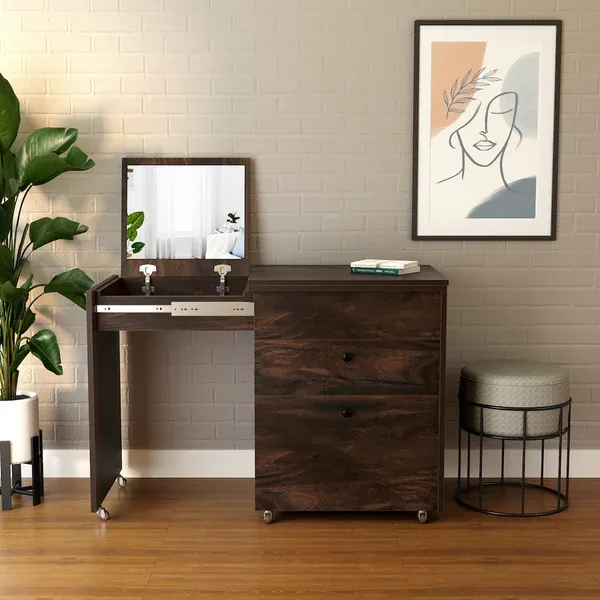
1. Minimalist Study Tables for Modern Interiors
Minimalist study tables are suitable for homes that prioritize clean lines, simple shapes, and uncluttered surroundings. These designs generally feature straightforward frames, practical surfaces, and neutral finishes that complement different interior themes.
A minimalist table works well in bedrooms, living areas, and dedicated study corners. It can provide enough room for a laptop, notebook, desk lamp, and other essential accessories without overwhelming the space.
When choosing this design, consider how much storage you need. A study table with storage and a simple appearance can combine a clean look with useful compartments for everyday items. Keeping only frequently used belongings on the tabletop can further improve the overall arrangement.
2. Study Tables with Drawers and Shelves
For students and professionals who use multiple books, documents, and accessories, storage is an important consideration. Tables with drawers and shelves offer dedicated spaces for different categories of belongings.
Drawers can hold stationery, chargers, notebooks, and smaller accessories, while shelves provide convenient access to books, folders, and reference materials. This arrangement reduces the need for separate storage furniture and helps keep the work surface clear.
A study table with storage is particularly useful when several activities take place in the same room. Before purchasing, check the number of drawers, shelf dimensions, and available legroom to ensure the design meets your requirements.
3. Compact Study Tables for Small Homes
Apartments and smaller homes often require furniture that uses available space efficiently. Compact study tables can fit into bedroom corners, narrow rooms, or multipurpose areas without taking up too much floor space.
Look for designs with sufficient tabletop depth, stable construction, and practical storage options. A compact unit with drawers or a small shelf can keep essential supplies organized while maintaining a manageable footprint.
Measure the intended location before buying and account for the chair, walking space, and drawer clearance. The goal is to create a functional workspace that does not interfere with movement around the room.
4. Wall-Side Study Tables for Space Efficiency
Placing a study table against a wall is a practical way to establish a dedicated workspace. This arrangement can work well in bedrooms, shared living spaces, and home offices where the centre of the room needs to remain open.
Wall-side tables can be paired with wall shelves, organizers, or pinboards to keep frequently used materials accessible. However, ensure that shelves are securely installed and positioned at a comfortable height.
For additional functionality, choose a study table with storage underneath the tabletop. This allows books and stationery to remain close at hand without requiring a large cabinet beside the desk.
5. Study Tables for Work-from-Home Setups
Remote work often involves laptops, monitors, notebooks, charging cables, and important documents. A suitable study table should provide enough surface area for these essentials while supporting a comfortable working arrangement.
Choose a tabletop that accommodates your equipment without forcing you to place everything too close together. Cable organizers can help reduce tangles, while drawers can store documents and accessories when they are not in use.
If you use a monitor and keyboard, check the table dimensions and ensure the screen can be positioned at a comfortable viewing height with an appropriate stand if needed. A supportive chair and suitable lighting are also important parts of an effective workspace.
6. Wooden Study Tables for a Warm, Timeless Look
Wooden study tables can complement a variety of home interiors, including contemporary, traditional, and minimalist spaces. Their appearance depends on the material, finish, colour, and overall design.
Light finishes can work well in smaller or brighter rooms, while darker finishes may suit spaces with contrasting furniture. Consider the durability, surface maintenance, and construction quality of the specific product before making a decision.
A wooden study table with storage can be especially practical for bedrooms and study rooms because it combines a familiar furniture appearance with dedicated compartments for everyday supplies.
7. Multifunctional Study Tables for Shared Spaces
In modern homes, one room may serve several purposes. A bedroom might double as a study area, or a corner of the living room might be used for work during the day.
Multifunctional study tables can help make these arrangements more manageable. Designs with drawers, shelves, or additional compartments allow users to keep work materials organized when the desk is not in use.
Choose a table that matches the primary activity and the available space. If the workspace is shared, consider storage that allows each person to keep their belongings separate. This can make it easier to switch between work, study, and other household activities.
8. How to Choose the Right Study Table Design
The best design depends on your space, work habits, and storage requirements. Before purchasing, consider the following factors:
- Room dimensions: Measure the available floor area and allow sufficient space for a chair and movement.
- Storage capacity: Decide whether you need drawers, shelves, or compartments for books and accessories.
- Tabletop size: Make sure the surface accommodates your laptop, books, and other essential equipment.
- Material and finish: Compare construction quality, durability, maintenance requirements, and appearance.
- Comfort: Check legroom and pair the table with a suitable chair.
- Assembly and maintenance: Review the product specifications, assembly instructions, and care requirements.
Comparing these factors can help you select a design that remains useful as your study or work requirements change.
Create a Functional Workspace for Your Home
The right study table can make a noticeable difference to how you organize your everyday activities. Minimalist tables suit uncluttered interiors, compact designs work well in smaller homes, and tables with drawers or shelves provide additional organization for books and accessories.
A study table with storage is a practical choice for anyone who wants to combine a functional work surface with convenient organization. By considering room dimensions, storage capacity, tabletop size, and comfort, you can select a design that fits your home and daily routine.
Rather than choosing furniture based on appearance alone, focus on how it will support your work or study habits. A well-planned workspace can help you keep essential items accessible and make better use of the space available.
Frequently Asked Questions
1. Which study table design is best for modern homes?
Minimalist tables, compact desks, wall-side designs, and tables with drawers or shelves can all suit modern homes. The best option depends on the available space and your daily requirements.
2. Why choose a study table with storage?
A study table with storage provides compartments for books, stationery, documents, and accessories. It helps reduce tabletop clutter and keeps frequently used belongings within reach.
3. Which study table is suitable for a small bedroom?
A compact table with a narrow footprint and practical storage is often suitable for a small bedroom. Measure the area carefully and ensure there is enough space for a chair and comfortable movement.
4. Are study tables with drawers better than tables without storage?
Tables with drawers are useful when you need to organize smaller items and documents. Tables without storage may suit users who prefer a minimalist setup or already have separate shelves and cabinets.
5. What size study table should I choose?
Choose a size based on your room dimensions, equipment, and working habits. The tabletop should accommodate your essential items while leaving enough room for comfortable seating and movement.
6. What should I check before buying a study table?
Check the table's dimensions, material, construction, storage capacity, legroom, finish, assembly requirements, and maintenance instructions. Ensure the design suits both your available space and intended use.








Sign in to leave a comment.