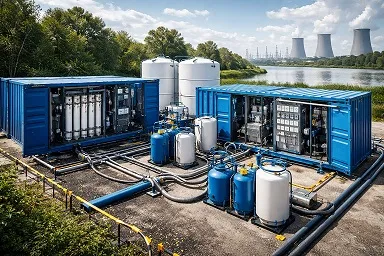

Outdated Systems Create Costly Risk
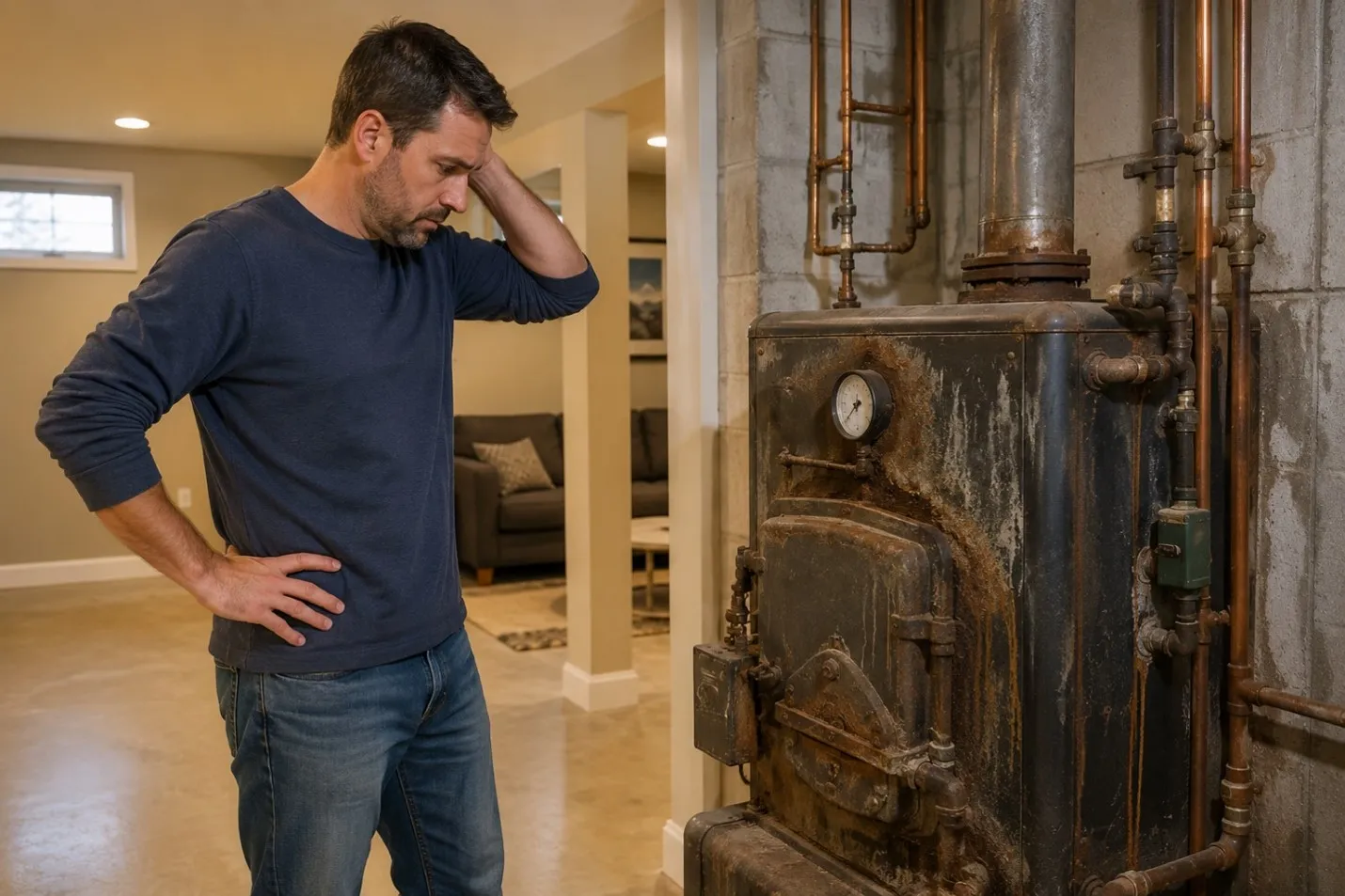
Many sites still depend on aging treatment units, slow manual checks and reactive maintenance. That setup creates avoidable pressure. Operators face unstable water quality and delayed response times, higher energy use & more downtime during demand changes. In emergency supply, industrial projects, remote camps as well as short-term municipal support, those weak points matter fast. A system that cannot adjust quickly becomes expensive to run and difficult to trust. That is why efficiency & reliability now depend less on size alone & more on the technology built into the plant.
Modern Design Changes Daily Performance
A more advanced setup improves both control & consistency from the start. A well-designed temporary water plant can be deployed faster, scaled with less disruption and operated with tighter process accuracy. Instead of relying on fixed assumptions, modern units respond to changing feed water conditions in real time. Operators gain clearer visibility, better treatment balance and stronger protection against failure. The result is not just cleaner water. It is a system that stays productive under pressure, reduces waste and supports steadier output across different operating environments.
Smart Monitoring Gives Operators Better Control
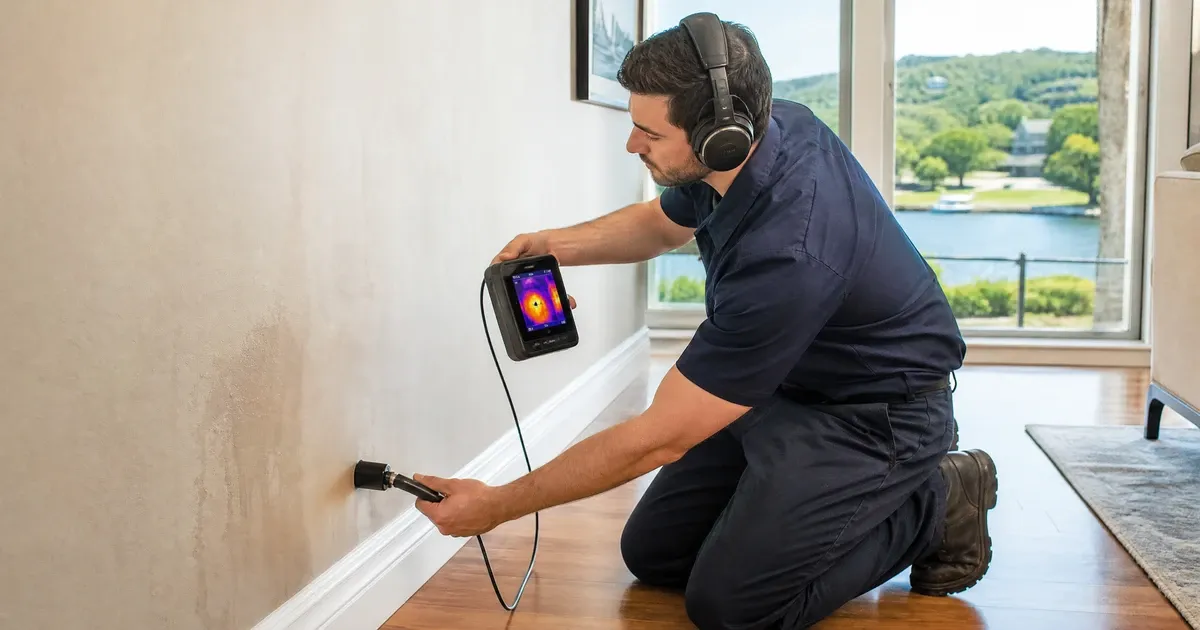
One of the biggest improvements comes from digital monitoring and automated controls. Sensors now track turbidity, pressure, conductivity, pH, flow and chemical dosing with far greater accuracy. When these readings feed into a central control panel or remote dashboard, operators can detect issues early instead of reacting after performance drops. Alarm systems, data logging and remote access also help teams make faster decisions. This improves reliability because problems such as membrane fouling, dosing imbalance, or pressure fluctuation can be identified before they interrupt water production.
Membrane Systems Improve Treatment Precision
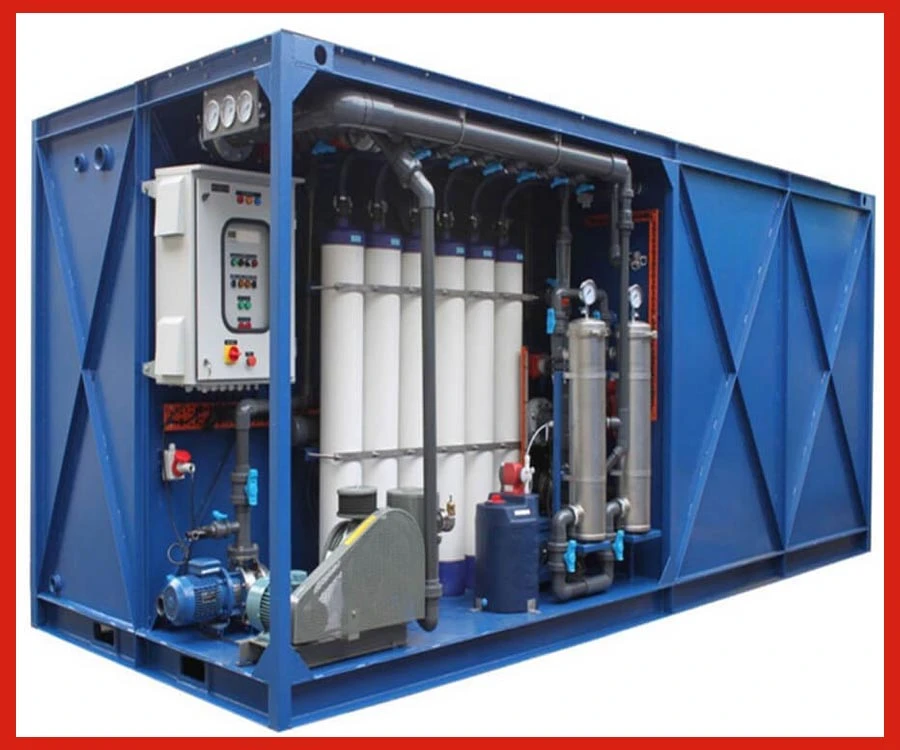
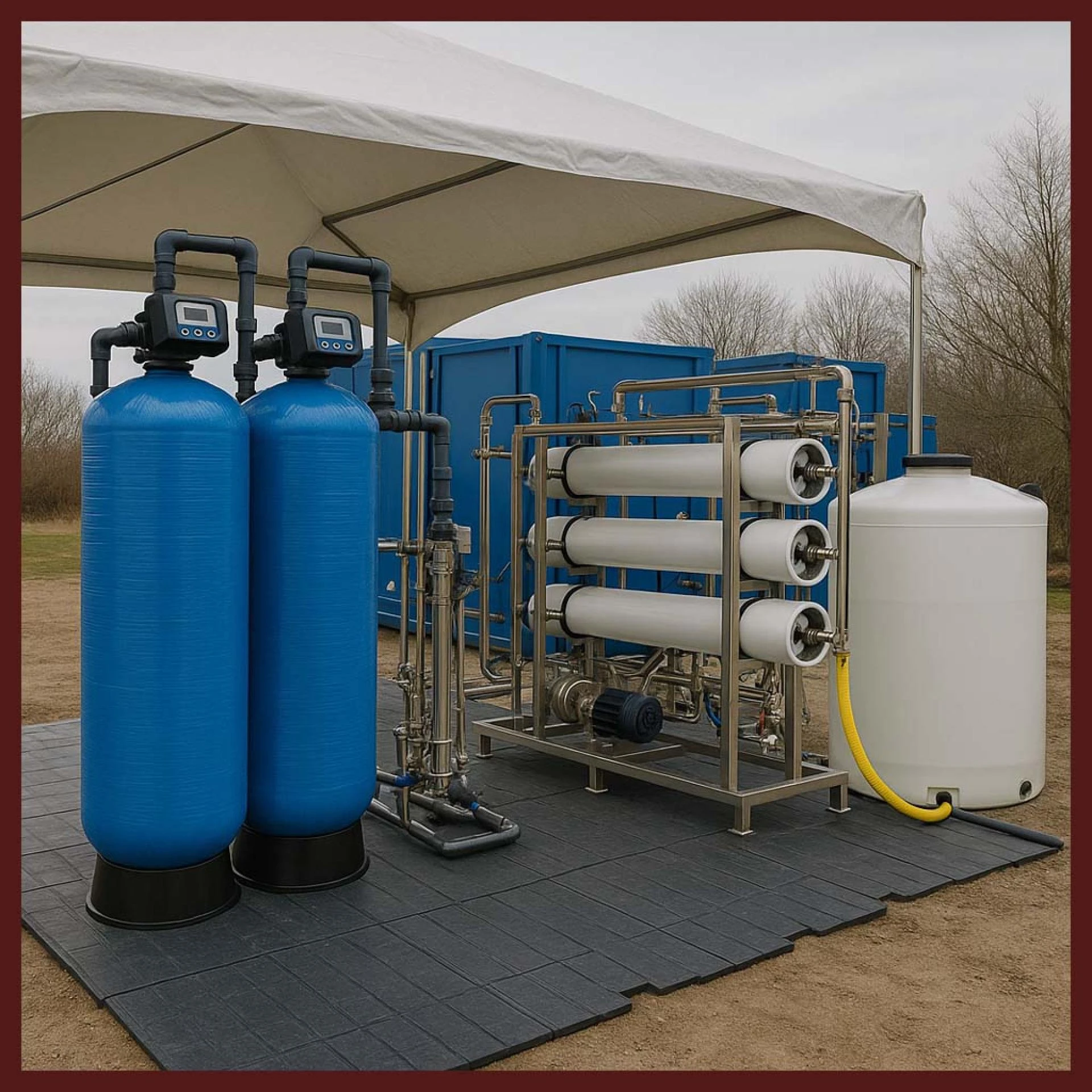
Membrane technology has also changed how portable systems perform. Ultrafiltration and reverse osmosis units remove fine particles, dissolved salts and other contaminants with greater consistency than many older treatment methods. These systems support better water quality while using space more efficiently. Skid-mounted and modular designs make installation easier and simplify expansion when demand rises. In many cases, a temporary water plant becomes more dependable when membranes are paired with proper pretreatment, because that combination protects system life and keeps output stable even when source water quality shifts.
Energy and Chemical Use Can Be Reduced
Efficiency also improves through better pump design, variable frequency drives, energy recovery devices and smarter dosing systems. These technologies reduce unnecessary power use and help match operation to actual demand. Automated backwashing and cleaning cycles also protect performance without wasting excess water or chemicals. Over time, that lowers operating costs and reduces maintenance pressure. Reliability grows when equipment works within optimized limits rather than being pushed through constant manual correction.
Reliable Plants Are Built on Smarter Integration
The most efficient systems are not defined by one machine. They succeed because monitoring, automation, membranes, energy controls and modular engineering work together. That integration creates faster deployment, stronger water quality control and better operational confidence. For short-term or mobile treatment needs, the right technology turns a basic unit into a dependable working asset.
Author Resource:-
Lee Wood writes about sustainable and scalable water and wastewater treatment solutions. Upgrade your water quality today with a reliable RO plant solution.

























Sign in to leave a comment.