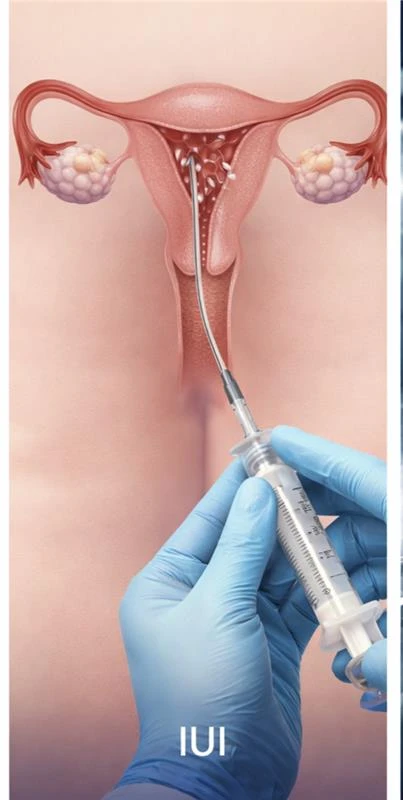
Your body starts a critical two-week waiting period after undergoing intrauterine insemination (IUI), a fertility procedure that involves injecting "washed and concentrated" sperm straight into the uterus to increase the likelihood of fertilization. There are a few things you can do after the procedure to increase your chances of getting pregnant, even though timing and the response of your reproductive system will determine the majority of the success.
1. Continue Progesterone Support (If Prescribed)
Following the IUI procedure, many patients are recommended to take additional progesterone, typically twice daily via a vaginal capsule. By supporting the uterine lining, progesterone makes the environment more conducive to a fertilized egg's implantation. While you wait, your body will continue to receive the hormonal support it requires if you take your medication exactly as prescribed by your doctor.
2. Rest and Normal Daily Activities
Most patients are able to promptly return to their regular daily activities following their IUI. The actual IUI procedure is minimally invasive and usually takes only 15 to 20 minutes, with only a brief period of rest before returning home. Mild cramping or some light spotting for 1-2 days afterward is normal and usually not a cause for alarm. Long-term bed rest is not necessary; instead, pay attention to your body and permit mild exercise as you feel ready.
3. Be Patient With the Two-Week Wait
The "two-week wait"—the time between the procedure and when you can take a pregnancy test—is one of the most difficult aspects of the IUI process. It's crucial to exercise patience during this period and refrain from testing too soon because a positive result might not be apparent for 14 days. Most clinics emphasize waiting to take an at-home pregnancy test at the proper time so that hormone levels like hCG (produced during pregnancy) are high enough to be seen accurately.
4. Take Care of Your Overall Health
Supporting your general health following IUI can help create an ideal environment for implantation. This comprises:
1. Consuming meals that are balanced
2. Maintaining adequate hydration
3. Engaging in mild, moderate exercise
4. Making sleep and stress reduction a priority
Healthy lifestyle choices promote your body's natural immunological response and hormone balance, both of which are critical for successful reproduction.
5. Stay in Touch With Your Clinic
Throughout your IUI cycle, doctors offer round-the-clock access to their clinical team, so don't be afraid to get in touch if you have any worries about symptoms, excessive bleeding, or unusual pain. Maintaining contact with your fertility care team guarantees that you receive timely advice specific to your circumstances.
6. Follow-Up Testing Is Key
Follow-up consultations are crucial regardless of the results of your pregnancy test. Clinics will usually schedule an early ultrasound around six weeks of pregnancy after verifying the result with a blood test that measures hCG if the test is positive. Your care team will meet with you to go over your cycle, talk about what went wrong, and decide on your next course of action, which may involve more IUI cycles or looking into alternative fertility options if the test comes back negative.
7. Emotional Support Matters
Fertility treatment has a strong emotional component. Throughout your journey, Fertility Centers places a strong emphasis on providing compassionate care and support. Having emotional support can help you deal with the two-week wait and outcome, regardless of whether you connect with your partner, counselor, support group, or others going through similar experiences.
Conclusion:
You've made significant progress toward becoming pregnant after your IUI procedure. Even though one cycle won't guarantee success, you can maximize this chance by combining cautious medical support, positive personal habits, patience, and emotional equilibrium. The methodical approach and easily reachable care team are intended to help you navigate every step of this procedure with assurance and clarity.
























Sign in to leave a comment.