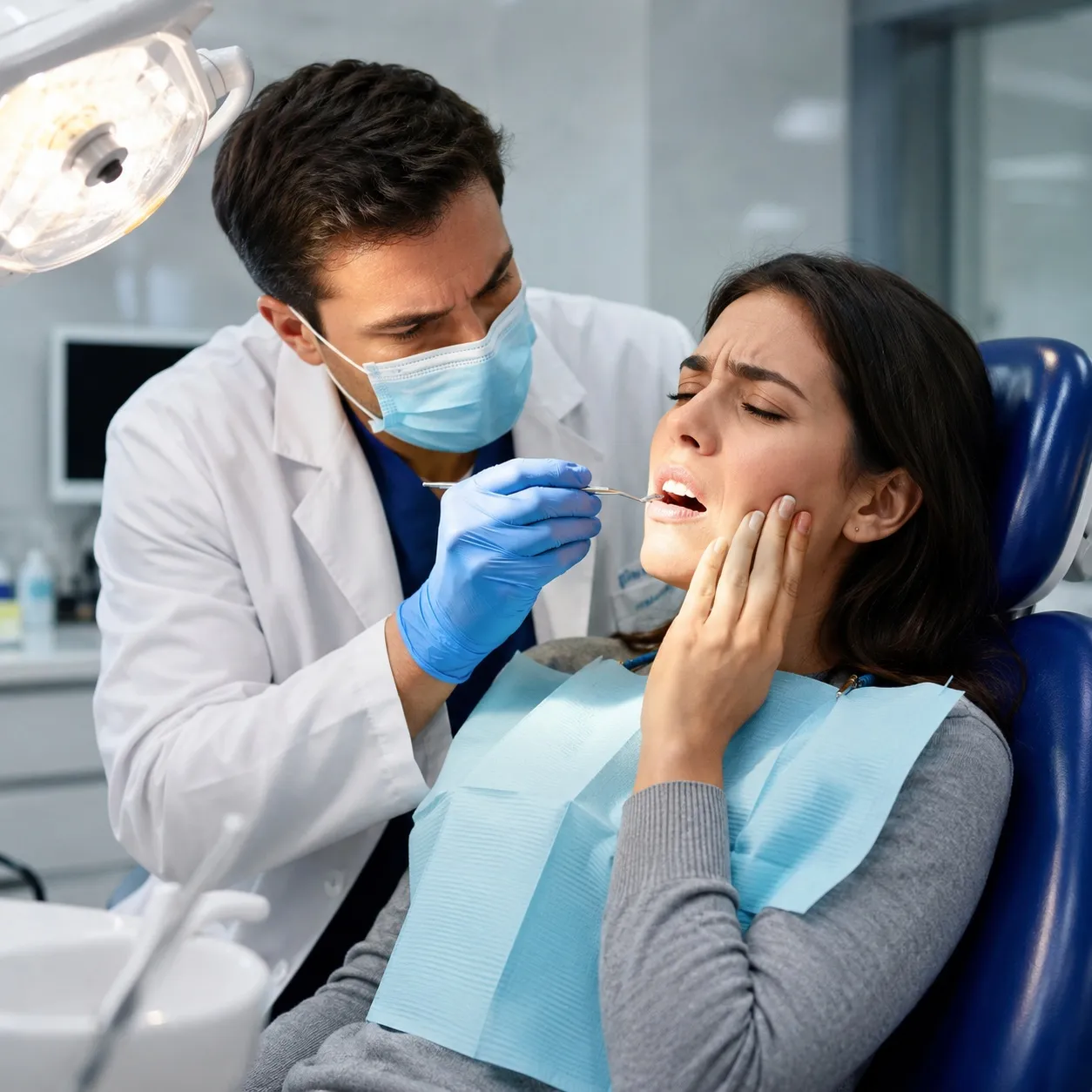


A sudden toothache at midnight, a cracked tooth after a fall or swelling that won't go down by morning can turn any day upside down. Most people panic first & think second, calling the nearest clinic without knowing what to bring, what to say or what to expect once they arrive. That confusion often wastes precious time when pain relief & treatment matter most.
Knowing how to prepare changes the entire experience. Urgent dental care exists to handle exactly these situations, but walking in ready makes the visit faster, calmer & more effective. A few simple steps before you leave the house can make a real difference in how quickly you're treated as well as how smoothly the appointment goes.
Call Ahead if You Can
Even in a rush, a quick call to the clinic helps. Describe the symptoms, whether there's bleeding, swelling or a knocked-out tooth & ask if they need anything specific from you. Some clinics ask patients to bring the tooth fragment or keep a knocked-out tooth in milk. That one call can save critical minutes once you arrive. Emergency dentist in Mitcham-Click here for urgent dental care!
Manage Pain Without Masking the Problem
Over-the-counter pain relievers can help until you're seen, but avoid placing aspirin directly on the gum or tooth, as this can burn soft tissue. Cold compresses on the outside of the cheek reduce swelling as well as take the edge off discomfort without interfering with the dentist's exam.
Gather Basic Information
Bring a list of current medications, any known allergies & your dental or medical history if you have it handy. If this is a new clinic for you, having insurance details ready also speeds up the paperwork so the focus stays on treatment.
Avoid Eating on the Affected Side
If a tooth is cracked, loose or infected, chewing on that side can worsen the damage or spread infection. Stick to soft foods or skip eating until you're seen, especially if swelling is present.
Write Down What Happened
If an injury caused the issue, a quick note on how it happened, when the pain started or when a tooth was knocked out gives the dentist useful context right away.
Dental emergencies rarely give advance warning, but a few minutes of preparation before you walk through the door can shape how quickly you're treated & how well the visit goes. Staying calm, gathering the right information as well as knowing what not to do are often just as important as getting to the clinic itself.
About Bio.
Ansley has 12 years of experience in the dental world. You can find his thoughts at surgical periodontal blog.





















Sign in to leave a comment.