
Owning a rental property in the sunshine state of Florida can be a rewarding investment opportunity, but it's not without its challenges. One of the most stressful situations landlords may encounter is dealing with property damage caused by tenants. Whether it's accidental spills, broken fixtures, or more significant destruction, knowing how to handle such scenarios is crucial for safeguarding your investment and maintaining a positive landlord-tenant relationship.
In this comprehensive guide, we'll walk you through the essential steps to take if you find yourself facing property damage caused by a tenant in Florida. From assessing the damage to communicating with the tenant and understanding your rights under Florida law, we'll provide you with practical tips and actionable advice to navigate this challenging situation with confidence and ease. So, if you're a landlord seeking clarity on how to address tenant-induced property damage, you're in the right place. Let's dive in and ensure your Florida rental property remains a source of prosperity and peace of mind.
Assess the Damage
Begin by evaluating the magnitude of the damage. Conduct a thorough inspection of the property to document all the damage caused by the tenant. Take photographs or videos as evidence, and make detailed notes of the affected areas. This documentation will be crucial when communicating with the tenant and for any potential legal proceedings.
Review the Lease Agreement
Next, review the lease agreement to understand the tenant's responsibilities regarding property damage. Most leases include clauses that hold tenants liable for any damage beyond normal wear and tear. Pay close attention to sections related to security deposits, repairs, and tenant obligations.
Communicate with the Tenant
Once you have a clear understanding of the damage and the lease terms, it's time to communicate with the tenant. Reach out to them in writing, providing a detailed description of the damage and any supporting evidence you have gathered. Clearly explain their responsibilities under the lease agreement and the steps they need to take to rectify the situation.
Request Repairs or Compensation
Depending on the severity of the damage, you can request the tenant to either repair the damage themselves or compensate you for the cost of repairs. If the damage is minor, such as a hole in the wall or a broken window, the tenant may be able to fix it themselves. However, for more extensive damage, such as water damage or structural issues, it's advisable to hire professionals for repairs.
Document Everything
Maintain comprehensive documentation of all interactions with the tenant, encompassing emails, written correspondence, and phone conversations, throughout the entire process. Note down any agreements reached and deadlines set for repairs or compensation. These records will be invaluable if the situation escalates and legal action becomes necessary.
Consider the Security Deposit
If you have collected a security deposit from the tenant, you may be able to use it to cover the cost of repairs. However, Florida law stipulates that landlords must return the security deposit to the tenant within a certain timeframe after the lease ends, minus any deductions for damages beyond normal wear and tear. Make sure to follow the legal procedures for deducting damages from the security deposit, including providing the tenant with an itemized list of deductions.
Seek Legal Advice if Necessary
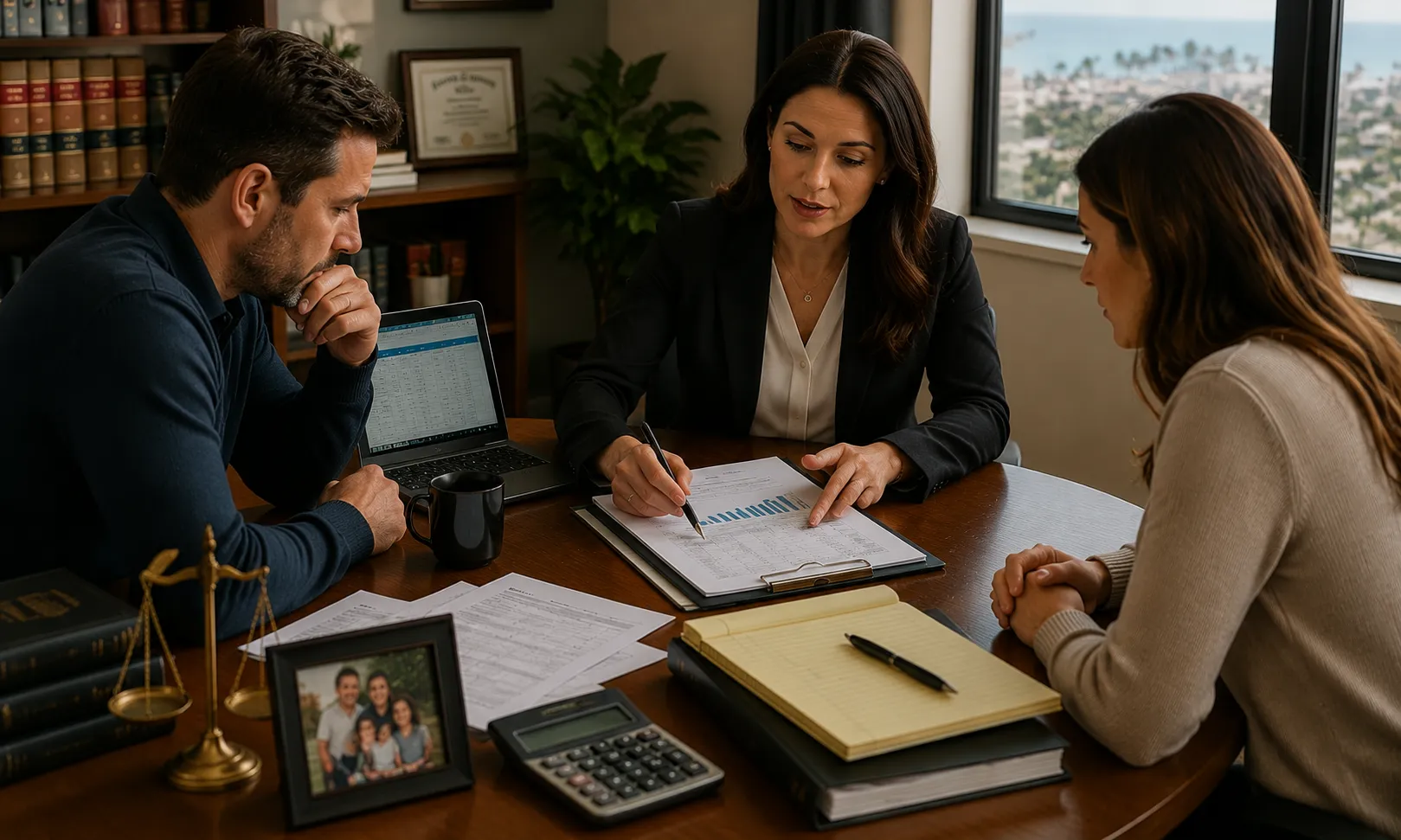
If the tenant refuses to cooperate or disputes their liability for the damage, you may need to seek legal advice. A qualified attorney specializing in landlord-tenant law can help you understand your rights and options under Florida law. They can also represent you in negotiations with the tenant or in court proceedings if the matter cannot be resolved amicably.
Take Preventative Measures for the Future
Once the situation has been resolved, take proactive steps to prevent similar incidents from occurring in the future. Consider implementing stricter screening processes for prospective tenants, conducting regular inspections of the property, and including detailed provisions regarding property maintenance and damage in your lease agreements.
Conclusion
Facing property damage caused by tenants in Florida can be a stressful experience, but it's essential to approach it methodically and in accordance with Florida rental laws. By following the steps outlined in this guide, including assessing the damage, communicating with the tenant, documenting everything meticulously, and seeking legal advice if necessary, you can navigate this challenging situation effectively. Remember, maintaining clear communication and understanding your rights and responsibilities as a landlord under Florida rental laws is key to resolving disputes and protecting your investment. By taking proactive measures to address property damage and prevent future incidents, you can ensure that your Florida rental property remains a valuable asset for years to come.


























Sign in to leave a comment.