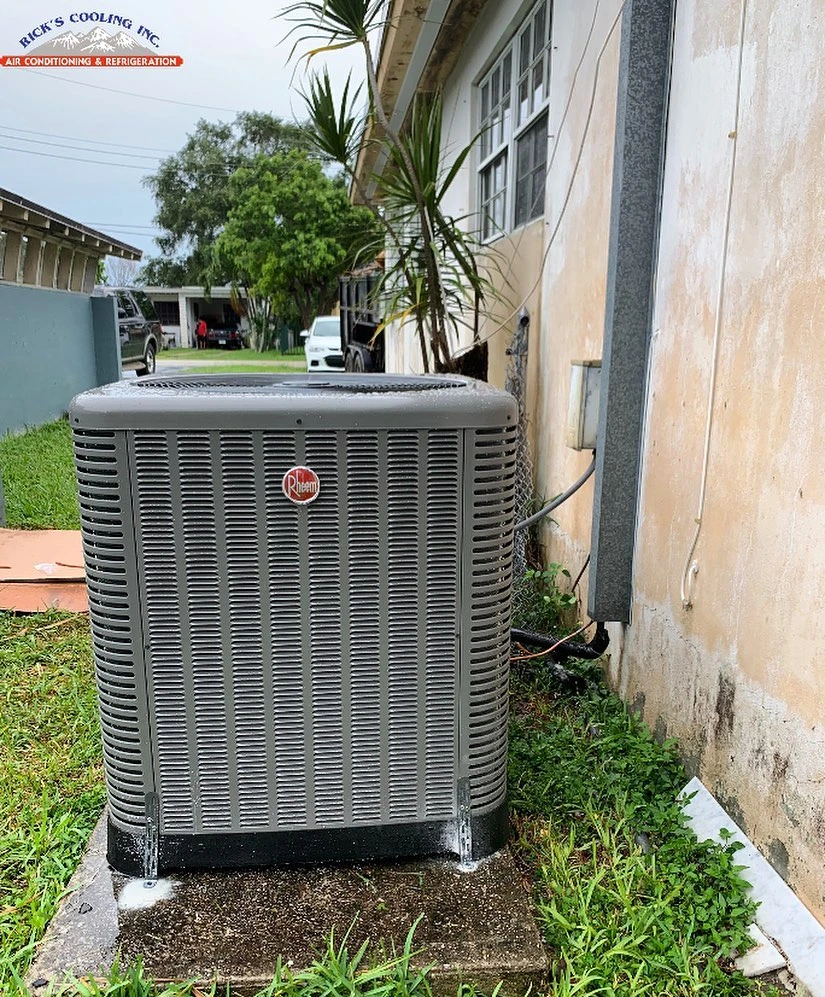
There is never a good time for an air conditioner to fail, but it always seems to happen during the hottest day, a holiday weekend, or right before guests arrive. When indoor temperatures rise fast, stress follows just as quickly. Knowing what actions to take in those first moments can protect your comfort, prevent damage, and save money.
South Florida heat is unforgiving. Homes in Pinecrest depend on reliable cooling almost year-round. When cold air suddenly stops, panic leads many homeowners to make rushed decisions. That is how small issues turn into expensive repairs. Working with a trusted Pinecrest AC Repair provider becomes critical, but there are steps you should take before making that call.
This guide walks through exactly what to do when cooling fails at the worst possible time. It covers immediate actions, common causes, safety concerns, and how to avoid repeat breakdowns in the future.
Stay Calm and Assess the Situation First
Check Basic Thermostat and Power Issues
Before assuming the worst, start with the basics. Many emergency calls turn out to be simple fixes that do not require professional service.
Take a few minutes to check the following:
- Make sure the thermostat is set to “cool”
- Confirm the temperature setting is lower than the room temperature
- Replace thermostat batteries if the screen is blank or dim
- Check that the system is set to “auto” and not “off”
- Look at the circuit breaker for a tripped switch
Power interruptions, surge protection trips, or accidental thermostat changes are common. Florida storms and power fluctuations can cause brief outages that shut systems down.
If the breaker trips again after resetting it, stop immediately. Repeated resets can damage electrical components and create fire risks.
Confirm Airflow and Vents Are Clear
Sometimes cooling stops not because the system failed, but because air cannot move properly.
Walk through your home and check:
- Supply vents are open and not blocked by furniture
- Return vents are clear of dust buildup
- No rugs or curtains are covering airflow points
Poor airflow can cause systems to freeze up or shut down as a safety response. If you notice weak airflow, uneven temperatures, or warm air blowing, move to the next step.
Reduce Heat and Protect the Home Immediately
Limit Heat Gain Inside the House
Once you confirm the system is not cooling, your goal shifts to keeping the house from heating up too fast.
Do the following right away:
- Close blinds and curtains on sunny windows
- Avoid using ovens, stoves, or dryers
- Turn off unnecessary lights and electronics
- Keep exterior doors closed as much as possible
These steps reduce indoor heat load and slow temperature rise. Even small actions can buy valuable time while waiting for repairs.
Use Fans and Temporary Cooling Safely
Fans do not lower room temperature, but they help move air across skin and increase comfort. Use them strategically.
Best practices include:
- Ceiling fans set to rotate counterclockwise
- Box fans placed near shaded windows
- Portable fans aimed toward living areas
Avoid unsafe alternatives like outdoor extension cords, unvented gas heaters, or makeshift "cooling hacks" found online. These often cause electrical hazards or indoor air quality issues.
Understand Common Reasons Cooling Stops Suddenly
Dirty Filters and Restricted Systems
Clogged air filters are one of the most common causes of sudden cooling failure. When airflow drops, systems overheat and shut down to prevent damage.
Warning signs include:
- Weak airflow from vents
- Ice forming on refrigerant lines
- System cycling on and off rapidly
Replacing filters regularly is one of the simplest ways to prevent emergency breakdowns, especially during peak summer months.
Refrigerant and Mechanical Failures
If basic checks do not restore cooling, the issue is likely mechanical or refrigerant-related.
Common failures include:
- Refrigerant leaks
- Frozen evaporator coils
- Compressor overheating
- Capacitor or contactor failure
These problems require professional tools and training. Running the system in this condition can cause permanent damage and increase repair costs.
Know When to Shut the System Off
Prevent Further Damage
If your system is running but not cooling, turning it off may be the safest option. Continued operation under faulty conditions can destroy major components.
Shut the system down if you notice:
- Burning or electrical smells
- Loud banging or grinding noises
- Ice buildup on indoor or outdoor units
- Water leaking around the air handler
Turning the system off protects the compressor, which is the most expensive part of the unit.
Protect Electrical and Indoor Components
Modern AC systems are designed with safety controls, but they are not foolproof. Electrical stress during heat waves is a real concern.
Turning the unit off at the thermostat and breaker prevents:
- Motor burnout
- Circuit board damage
- Electrical shorts from moisture buildup
Once the system is off, leave it that way until a professional inspection is completed.
Decide When Professional Help Is Necessary
Signs You Need Immediate Service
Some situations require same-day or emergency service to protect your home and health.
Call for professional help immediately if:
- Indoor temperatures rise rapidly
- Elderly residents or medical conditions are present
- Cooling has stopped completely
- The system will not turn on at all
- Repeated breaker trips occur
High indoor heat can cause dehydration, heat exhaustion, and damage to electronics and furnishings.
Avoid DIY Repairs That Make Things Worse
Online videos and forums often encourage risky fixes. Most homeowners do not have the tools or experience to safely handle AC repairs.
Avoid attempting:
- Refrigerant handling
- Electrical component replacement
- Coil cleaning with chemicals
- Compressor resets or bypasses
Improper repairs often void warranties and turn small problems into full system replacements.
What Happens During a Professional AC Service Visit
Diagnostic Process Explained
When a technician arrives, the first step is a full system evaluation. This includes electrical testing, refrigerant pressure checks, airflow measurements, and visual inspection.
Technicians typically:
- Test thermostat signals
- Inspect capacitors and contactors
- Check refrigerant levels
- Examine coils for dirt or ice
- Measure temperature splits
Accurate diagnostics prevent unnecessary part replacements and ensure long-term fixes.
Repair vs Replacement Decisions
Not every failure requires a new system. However, age and repair frequency matter.
Factors considered include:
- System age and efficiency
- Cost of repair versus replacement
- Warranty status
- Frequency of past breakdowns
A good service provider explains options clearly and helps homeowners make informed decisions without pressure.
Prevent the Same Emergency from Happening Again
Schedule Regular Maintenance
Preventive maintenance is the most effective way to avoid worst-time breakdowns. Systems under heavy heat stress need regular care.
Maintenance benefits include:
- Early detection of worn parts
- Improved energy efficiency
- Lower risk of sudden failure
- Longer system lifespan
Seasonal tune-ups before peak summer reduce emergency calls and costly repairs.
Upgrade Components Before They Fail
Certain parts wear out predictably over time. Replacing them proactively is often cheaper than emergency service.
Common proactive upgrades include:
- Capacitors
- Contactors
- Thermostats
- Surge protection devices
Preventive replacements reduce downtime and improve reliability during extreme heat.
Prepare a Cooling Emergency Plan for Your Home
Plan Ahead for High-Heat Situations
Every home should have a basic cooling failure plan, especially in South Florida.
Consider planning for:
- Portable fans and backup cooling options
- Temporary relocation if needed
- Emergency service contact information
- Maintenance scheduling reminders
Preparation reduces stress and helps families respond calmly when problems occur.
Educate Household Members
Make sure everyone in the home knows what to do if cooling stops.
Share simple instructions such as:
- Who to call
- Which breakers to check
- When to shut the system off
- How to reduce indoor heat safely
Clear communication prevents panic and unsafe decisions during emergencies.
Final Thoughts on Handling Cooling Failures
When cooling stops working at the worst time, the right response makes all the difference. Quick checks, smart decisions, and knowing when to call for help can protect your comfort and your investment.
Ignoring warning signs or attempting risky fixes often leads to higher costs and longer downtime. Homeowners who understand their systems and prepare in advance stay cooler, safer, and more in control.
Reliable air conditioning is not a luxury in Pinecrest. It is a necessity. Taking the right steps today helps ensure comfort when temperatures push your system to its limits.






















Sign in to leave a comment.