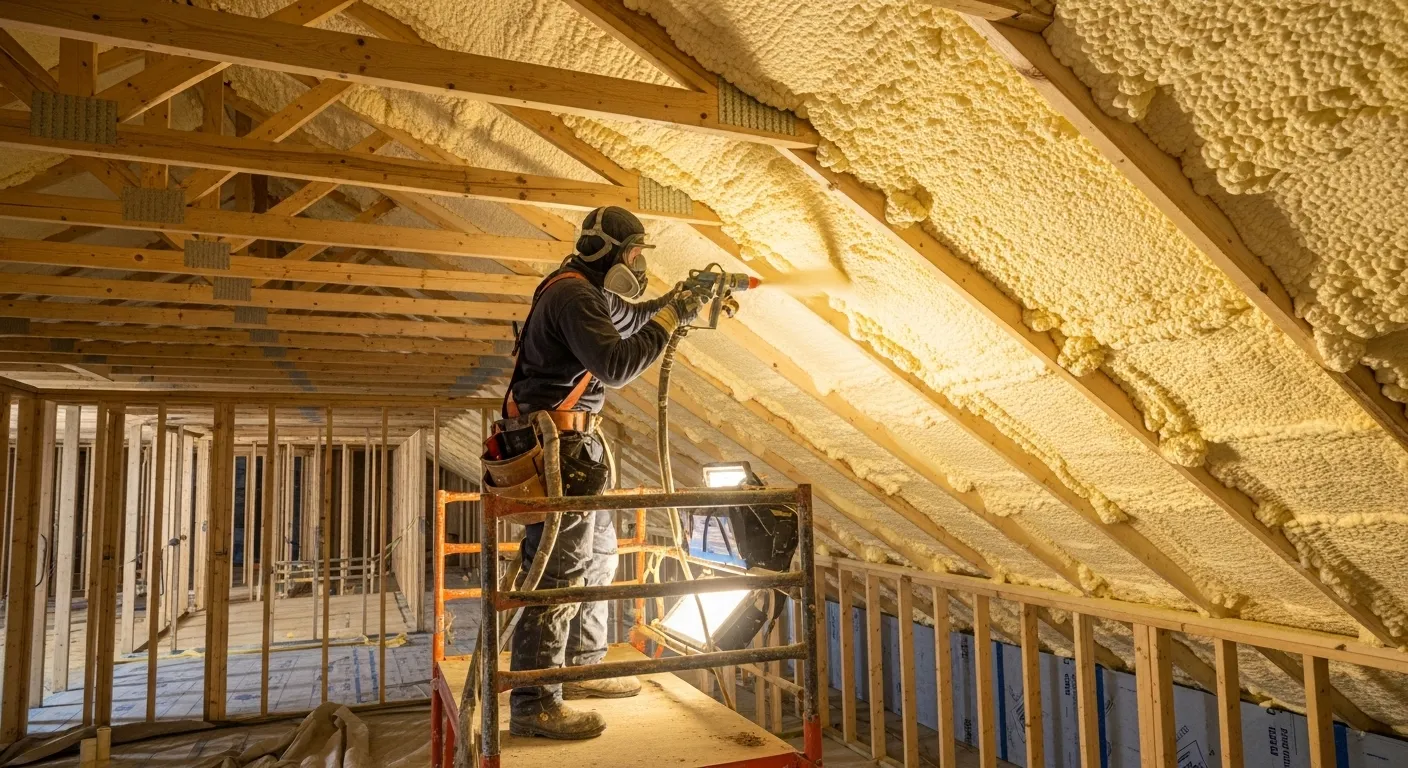
Spray foam insulation in Somers provides a superior air barrier by expanding upon application to fill every gap, crack, and crevice in a building envelope. This material creates a custom airtight seal that traditional materials like fiberglass or cellulose simply cannot achieve. In the variable climate of Somers, this airtightness is the primary factor in maintaining consistent indoor temperatures and reducing energy waste.
By stopping the movement of air, spray foam eliminates the drafts and cold spots common in Montana homes. This article examines the technical advantages of foam, its performance in local weather conditions, and why it serves as a long-term solution for homeowners seeking comfort and efficiency. You will find detailed comparisons and practical advice to help you evaluate your home's needs.
Expert builders and building scientists recognize that air leakage accounts for up to 40% of a home's energy loss. Traditional batts leave small gaps around wires, pipes, and outlets where air flows freely. Spray foam acts as both insulation and an air sealant in one step, making it a highly efficient choice for new constructions and renovations alike.
The Mechanics Of High Performance Air Sealing
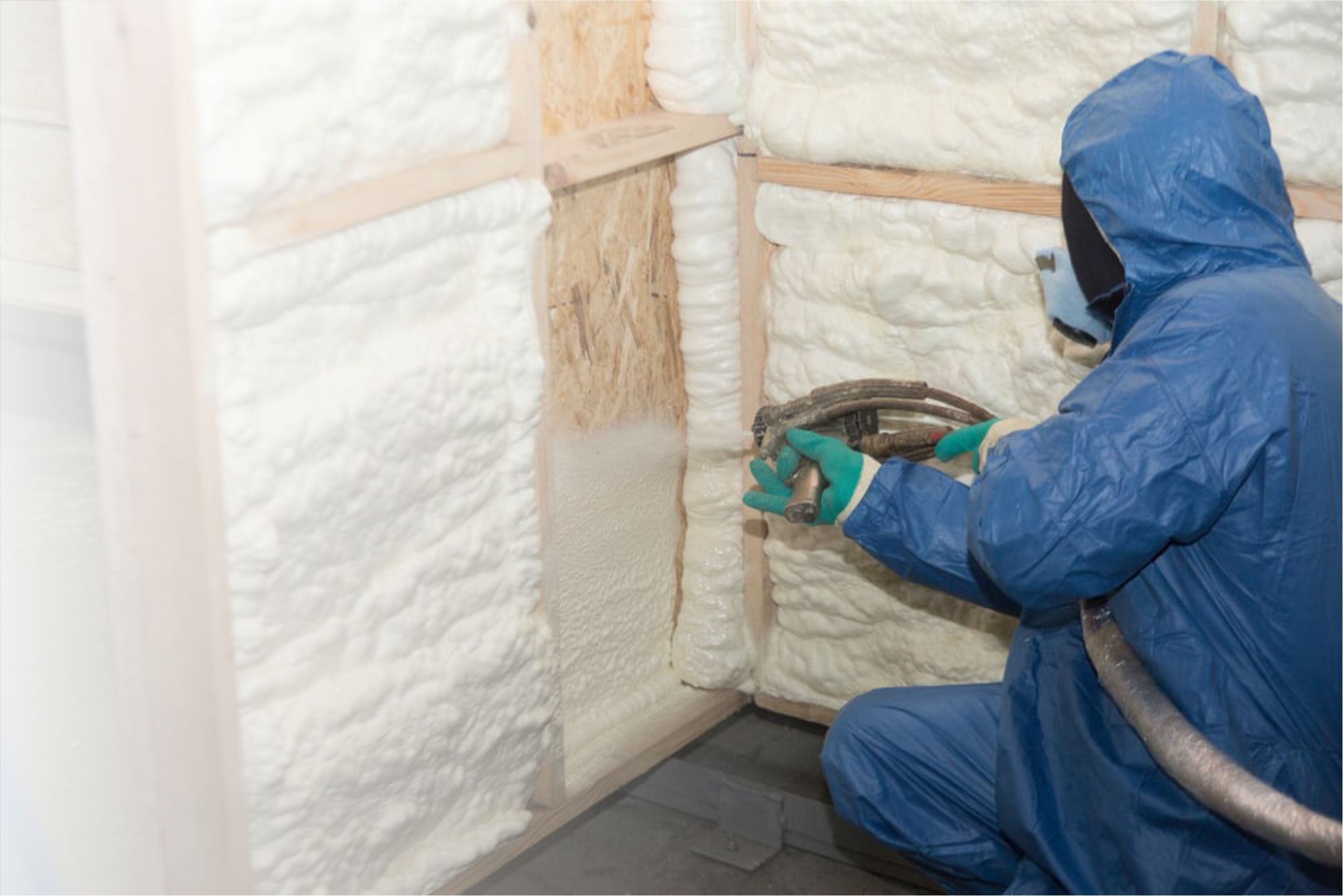
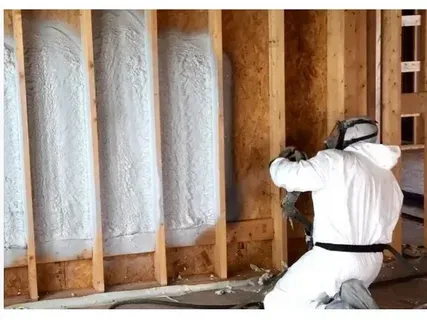
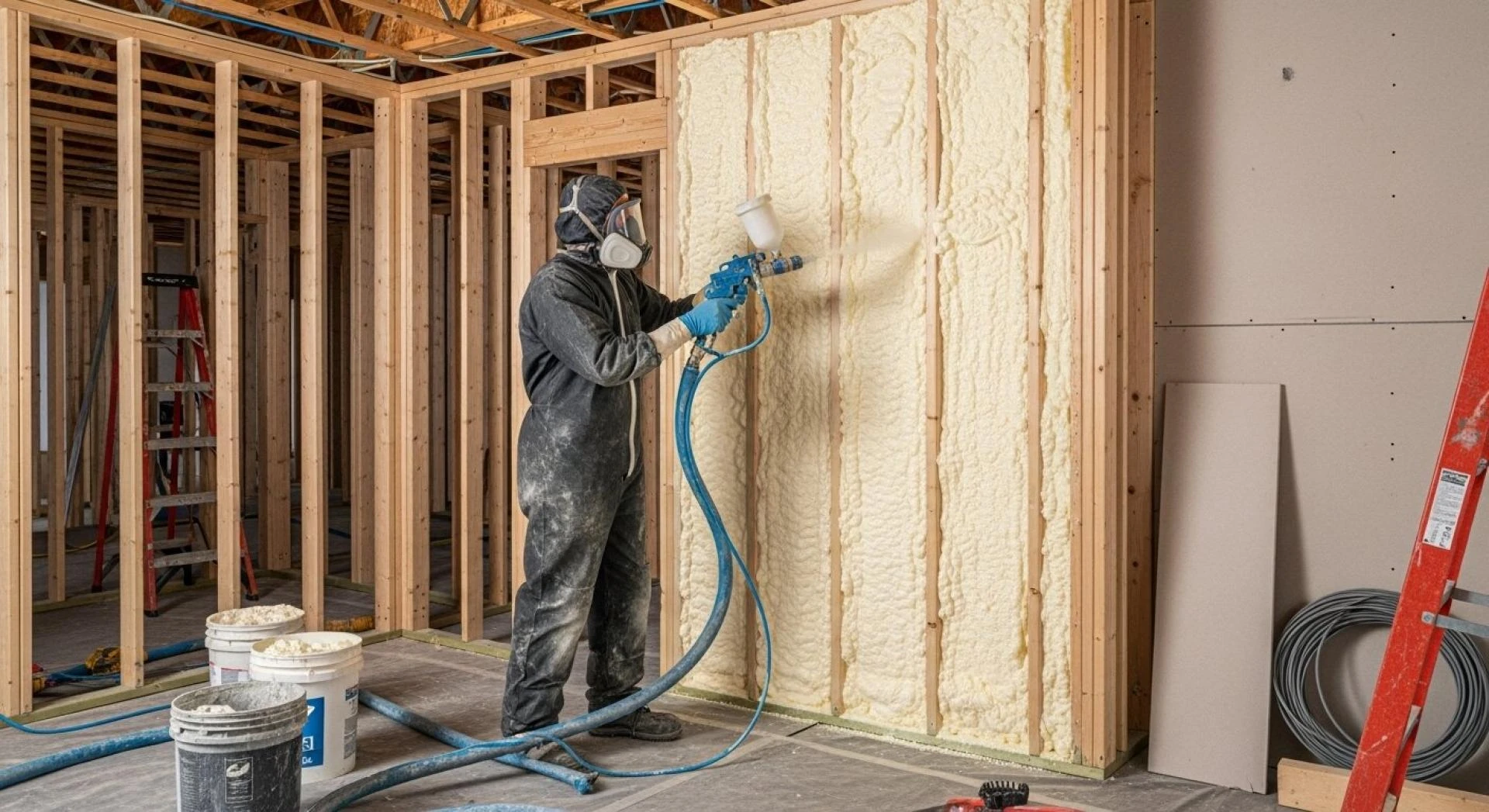
When professional installers apply spray foam, a chemical reaction causes the liquid to expand into a dense foam. This expansion allows the material to reach into tiny spaces that are otherwise inaccessible. It adheres directly to the substrate, whether that is wood, metal, or masonry, ensuring no gaps exist between the insulation and the structure.
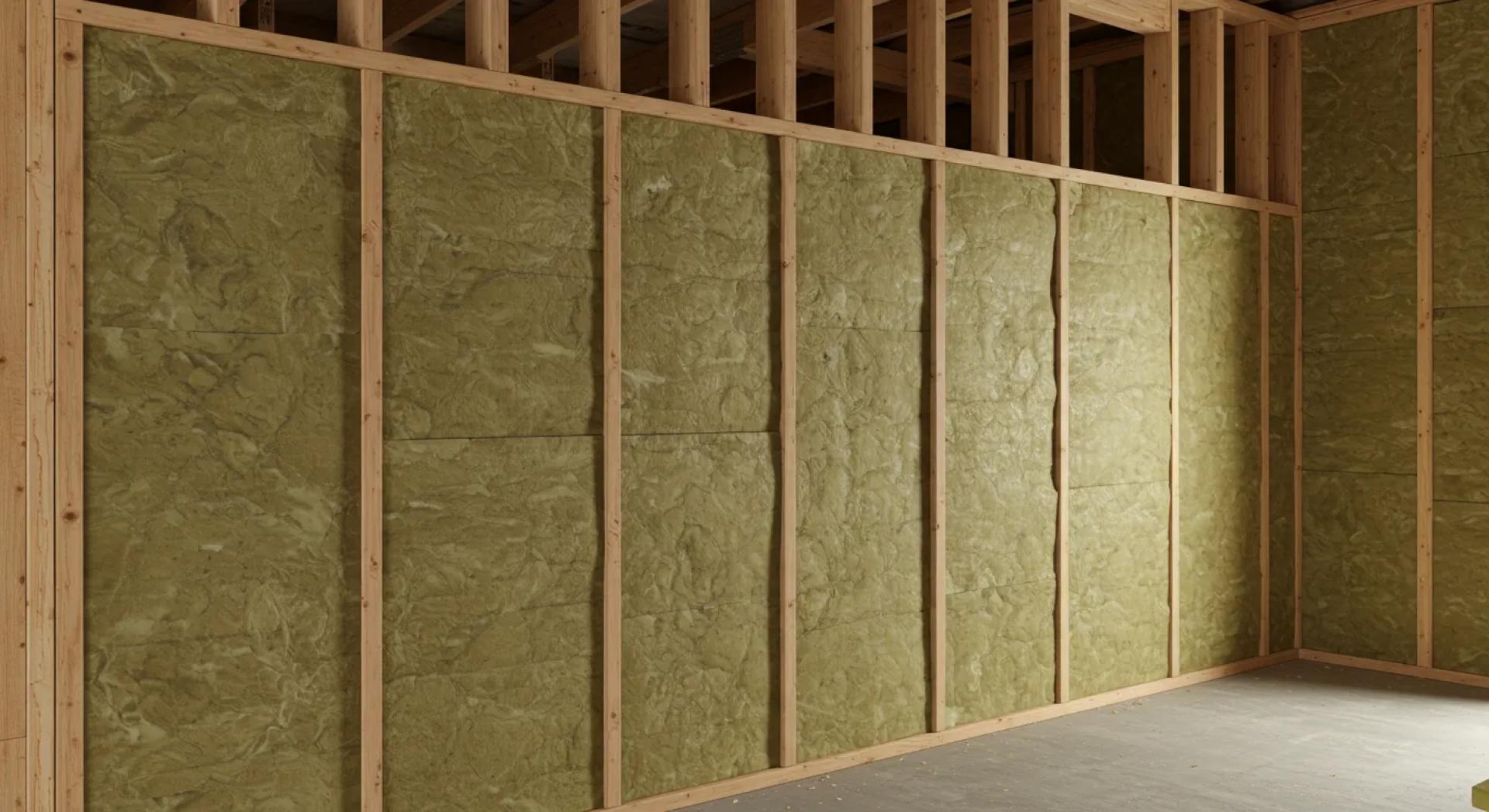
This physical bond is what sets it apart from other products. Fiberglass batts often sag over time or pull away from studs, creating paths for air to bypass the insulation. Spray foam remains rigid or flexible depending on the type used and does not lose its shape or seal. This permanence ensures that the air barrier you install today remains effective for decades.
Bonus Tip Prioritize air sealing the attic floor and the rim joists in your basement. These two areas are responsible for the "stack effect" where warm air escapes out the top of your house and pulls cold air in through the bottom.
Comparing Air Sealing Capabilities Of Insulation Materials
Different materials offer varying levels of protection against air infiltration. While some products are designed only to slow heat transfer, spray foam is designed to stop both heat transfer and air movement simultaneously. The following table provides a breakdown of how common materials compare in key performance areas.
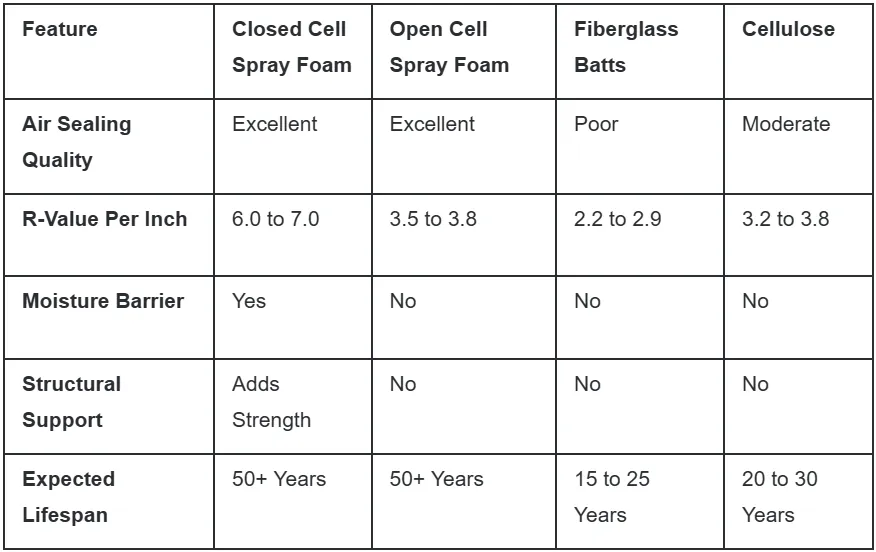
This data illustrates why the ability to seal air is a distinct advantage of foam products. While dense cellulose only slows air, and fiberglass acts like a filter that traps heat but allows air through, spray foam creates a total barrier. This distinction is the primary reason why spray foam leads to significantly lower utility bills.
Addressing The Climate Challenges In Somers, Montana
Somers experiences a wide range of weather conditions, from freezing winter nights to warm summer afternoons. High winds coming off the lake can push cold air through the smallest cracks in a home's exterior. This wind washing can strip the heat out of traditional insulation, making your furnace work much harder than necessary.
Spray foam is unaffected by wind washing because it creates a solid barrier. In the winter, it keeps the expensive heated air inside. In the summer, it prevents hot, humid air from entering the living space. This dual action is particularly beneficial in Montana, where the temperature spread between seasons is extreme.
How Does Professional Air Sealing Impact Your Monthly Energy Costs
Airtight homes require less energy to heat and cool. Because your HVAC system does not have to constantly fight incoming drafts, it runs less frequently. Market data indicates that homeowners who switch to high-performance air sealing can see a reduction in energy costs ranging from 15% to 50% depending on the previous state of the building.
Beyond the monthly savings, an airtight home puts less wear and tear on your heating and cooling equipment. A system that cycles on and off less frequently will typically have a longer operational life. This hidden saving adds to the overall value of the investment. When air cannot leak out, your home maintains its "conditioned" state for much longer periods.
Bonus Tip Ask your installer about the difference between open-cell and closed-cell foam for your specific project. Closed-cell is often better for damp basements or crawlspaces, while open-cell is excellent for soundproofing interior walls and attics.
Selecting The Right Foam For Specific Home Areas
Not all spray foam is the same, and choosing the right type for the right area is important. Closed-cell foam is very dense and acts as a vapor barrier. It is ideal for exterior walls and areas prone to moisture. It also adds structural integrity to the walls, which is a benefit in areas with heavy snow loads or high winds.
Open-cell foam is lighter and more flexible. It is generally less expensive than closed-cell and provides excellent sound dampening. This makes it a great choice for media rooms or for sealing the space between floors. Both types provide the same high level of air sealing, but their physical properties serve different secondary purposes.
Factors To Weigh Before Making Your Insulation Decision
Before you commit to a specific insulation plan, you should consider several factors that influence the long-term success of the project. These elements will determine if spray foam is the right fit for your specific structure and budget.
Initial Investment Versus Long-Term ROI: Spray foam has a higher upfront cost than fiberglass. However, you must calculate the energy savings over ten or twenty years to see the true value.
Existing Home Conditions: If you are retrofitting an older home, the ease of access to wall cavities will dictate the cost. Some homes may require removing drywall, while others can be handled through small holes.
Ventilation Requirements: An airtight home needs a way to circulate fresh air. You might need to evaluate your current ventilation system to ensure you maintain healthy indoor air quality once the leaks are sealed.
Professional Installation: Unlike batts, spray foam is not a DIY project. It requires specialized equipment and precise temperature control during application to ensure the chemicals react correctly.
Market Data On Home Resale Value
Energy efficiency is a major selling point in the modern real estate market. Homes with documented high-performance insulation and low utility costs often sell faster and at higher price points. Buyers in Montana are particularly sensitive to heating costs, making an airtight home a more attractive asset. Recent studies suggest that energy-efficient upgrades can increase a home's value by 5% to 8% in many regions.
Practical Steps For Your Insulation Project
Once you decide to move forward, the process begins with a thorough inspection of the property. A professional installer will identify the areas of greatest heat loss and recommend the appropriate foam type and thickness. Preparing the site involves covering windows and surfaces to protect them from overspray.
The application process is relatively quick, often completed in a day or two for an entire house. After the foam cures, which usually takes about 24 hours, it becomes an inert, stable material. You will likely notice an immediate difference in the quietness and temperature stability of your rooms.

Ensuring A Healthier Indoor Environment
Superior air sealing does more than just save money; it improves air quality. By closing off the paths that outdoor pollutants, pollen, and dust use to enter your home, you create a cleaner living space. This is especially helpful for residents in Somers who may suffer from seasonal allergies or are sensitive to smoke during the forest fire season.
Because spray foam does not provide a food source for mold or pests, it helps maintain a healthier structure. Traditional materials can sometimes harbor moisture, leading to mold growth inside the walls. The moisture-resistant nature of closed-cell foam prevents this, protecting both the house and the people living inside it.
Establishing A Sustainable Home Strategy
Choosing a high-performance air seal is a step toward a more sustainable lifestyle. By reducing the amount of fuel or electricity needed to maintain comfort, you lower your overall carbon footprint. This long-term perspective is becoming increasingly important to homeowners who want to balance comfort with environmental responsibility.
Evaluating Your Home For Maximum Efficiency
In summary, spray foam provides a level of air sealing that other materials cannot match. It addresses the specific challenges of the Montana climate by creating a seamless barrier against wind and temperature extremes. While the initial cost is higher, the combination of energy savings, improved air quality, and structural benefits makes it a wise choice for many. You should evaluate your specific home goals and consult with a professional to see how an airtight seal can change your living experience.
Helpful Professional Guidance For Your Somers Home
If you are ready to improve your home's comfort and efficiency, reaching out to a professional is the best next step. They can provide a detailed assessment of your property and help you choose the right insulation for your needs. For residents in Somers and the surrounding areas, Wegner Insulation offers expert services in both residential and commercial spray foam applications. You can contact them at (406) 654-4636 or via email at [email protected] to request a free quote. Their team can explain how air sealing will work in your specific floor plan and provide a clear estimate for your project.
Common Questions About Residential Air Sealing
Does spray foam insulation provide soundproofing benefits?
Yes, especially open-cell foam. Its porous structure is excellent at absorbing sound waves, which reduces noise transfer between rooms or from the outside. This makes your home much quieter.
How long does the air seal last once it is installed?
Spray foam is designed to last for the lifetime of the building. It does not sag, settle, or degrade over time like fiberglass or cellulose, meaning the air seal remains intact for 50 years or more.
Is it possible to over-seal a house and cause air quality issues?
A home can become very airtight, which is good for efficiency but requires proper ventilation. Professionals often recommend mechanical ventilation systems to ensure a constant supply of fresh air while maintaining energy savings.
Can spray foam be installed in an existing home?
Yes, it can be applied to open attics, crawlspaces, and rim joists easily. For finished walls, installers can use injection foam or remove small sections of wall to ensure a complete seal.
Does spray foam attract pests like mice or insects?
Unlike fiberglass or cellulose, spray foam is not a nesting material and offers no food value to pests. While it won't stop a determined rodent from chewing, it is much less attractive to them than traditional insulation.

























Sign in to leave a comment.