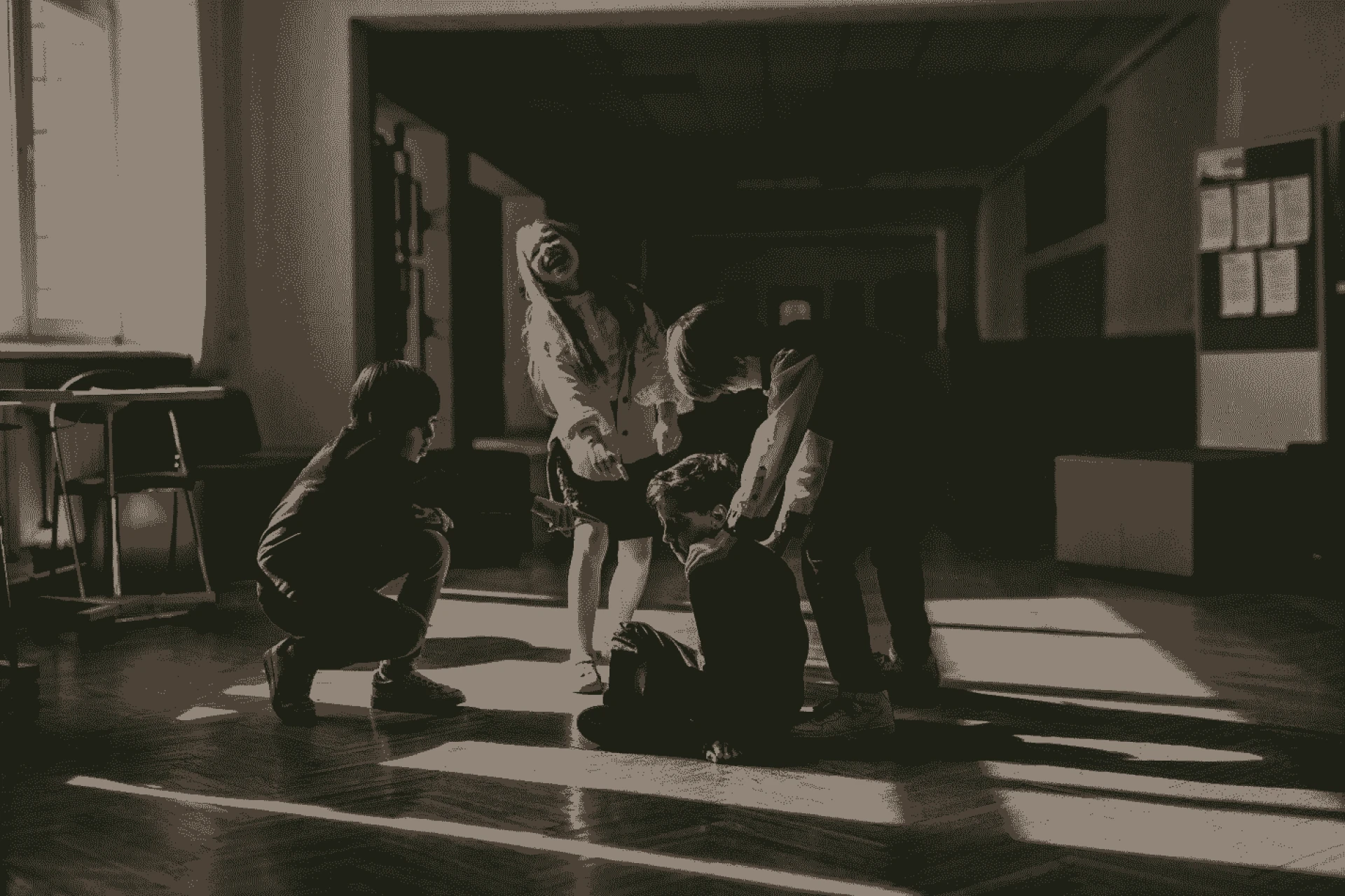

Bullying is a serious issue that affects many children and their families. While we often hear about children being bullied, it's essential to address the other side of the problem when your child is the one doing the bullying.
This parenting blog post will provide insights into understanding the reasons behind bullying, strategies to address the issue, and proactive steps to help your child change. By taking the right approach, you can support your child in making better choices and create a safer school environment for everyone involved.
Understanding the Reasons Behind Bullying
First things first, you have to understand why your child may be bullying others. Here are a few possibilities:
Lack of Empathy
Bullying often stems from a lack of empathy. Children who bully may struggle to understand or care about the feelings of others. They may not realize the harm they are causing or may even enjoy inflicting pain on others. Understanding this lack of empathy is a crucial first step in addressing the issue.
Peer Pressure
Sometimes, children may bully others due to peer pressure. They might feel the need to conform to a particular group or maintain their social status among their peers. This can lead them to engage in bullying behavior to fit in, even if it goes against their own values.
Family and Environmental Factors
The home environment of a child may have a big impact on how they behave in school. When a child observes violent or bullying actions or any other toxic behavior at home, they are more likely to mimic it at school. Similarly, exposing a child to violence, neglect, or other negative events might lead to bullying behavior.
Insecurity and Low Self-Esteem
Bullying can be a way for children to mask their own insecurities and low self-esteem. By targeting others, they may feel a temporary sense of power and control, which can help them compensate for their internal feelings of inadequacy.
Strategies to Address the Issue
Unfortunately, when it comes to bullying, understanding is not enough. You must address the issue. Here is how to do it:
Open Communication
The first step in addressing your child's bullying behavior is to have an open and non-judgmental conversation with them. Let them know that you are there to support them and that you want to understand why they are engaging in bullying. Encourage them to share their feelings, experiences, and any underlying issues that may be contributing to their behavior.
Encourage Self-Reflection
Help your child reflect on their actions and their impact on others. Encourage them to consider how they would feel if they were in the victim's shoes. This can help them develop empathy and a deeper understanding of the consequences of their behavior.
Seek Professional Help
If you find that your child's bullying behavior is deeply ingrained or linked to serious emotional or psychological issues, it may be necessary to seek the assistance of a mental health professional. A therapist or counselor can provide the necessary support and strategies to address underlying issues and help your child change their behavior.
Set Clear Boundaries
It's essential to establish clear boundaries and consequences for bullying behavior. Let your child know that such behavior is not acceptable and will have consequences, whether at home or at school. Be consistent with consequences, but also provide opportunities for them to make amends and learn from their mistakes.
Teach Conflict Resolution Skills
Teach your child effective conflict-resolution skills, including communication, empathy, and problem-solving. Help them understand that there are better ways to address conflicts and frustrations than resorting to bullying. Encourage them to express their feelings and concerns in a constructive manner.
Proactive Steps to Help Your Child Change
There are things you can do to prevent your child from developing behavioral problems. Here are some of the steps you can take to help your child change:
Be a Role Model
Children learn by example, so it's essential to be a positive role model. Demonstrate empathy, kindness, and respectful behavior in your interactions with others. Your child is more likely to emulate these qualities if they see them in action at home.
Monitor Online Activities
In today's digital age, bullying isn't limited to the physical school environment. It's crucial to monitor your child's online activities and ensure they are not engaging in cyberbullying or being a victim themselves. Encourage responsible and respectful online behavior.
Encourage Positive Friendships
Encourage your child to form positive friendships with peers who support and uplift them. Positive peer influences can help your child make better choices and reduce the likelihood of engaging in bullying behavior.
Promote Inclusivity
Teach your child the value of inclusivity and the importance of treating all individuals with respect and kindness, regardless of their differences. Encourage them to befriend children from various backgrounds and abilities, fostering a sense of community.
Involve the School
Collaborate with your child's school to address the issue. Schools often have anti-bullying programs and support systems in place. Work with teachers, counselors, and administrators to create a plan for addressing your child's behavior and monitoring their progress.
Addressing your child's bullying behavior is a crucial step toward creating a safer and more inclusive school environment. If you find yourself in need of additional guidance and support in your journey of parenting, consider joining online parenting classes. You can also rely on parenting forums, parenting blogs, parenting discussion boards, and a community of like-minded individuals at Parenting Questions who can offer advice and encouragement.
Join their online parenting classes today and make parenting easier. Sign up today.
About the Author
The author of this post is a dedicated writer and a parent to three. Her writings are inspired by her personal experiences that she prefer sharing with the world to help other parents who are in the same boat.


























Sign in to leave a comment.