

Redesigning a room is one of the most satisfying ways to refresh your home. A new layout, updated colors, or a different purpose for the space can completely change how it feels. But once the redesign is finished, many people are left staring at furniture that no longer fits the plan. Pieces that once worked perfectly may suddenly feel bulky, outdated, or unnecessary.
How To Deal With Excess/Damaged Furniture After Room Designs
Here’s a clear, thoughtful way to handle it.
1. Start With a Fresh Perspective
Once the room redesign is complete, take a moment to see the space with fresh eyes. Place only the furniture you plan to keep back into the room. If something feels awkward, crowded, or forced, that’s a sign it may not belong anymore. Redesigns are about improving flow and function, not squeezing old pieces into a new layout.
2. Sort Furniture by Purpose and Condition
Next, separate furniture into categories.
- Keep: Pieces that still fit the room’s function and style
- Reuse elsewhere: Items that don’t work here but could fit another room
- Remove: Furniture that no longer serves a purpose
Then look at condition. Gently used furniture often has value beyond your home. Even pieces with light wear can be reused or donated if they’re still functional.
3. Avoid Letting Furniture Become Clutter
After a redesign, unused furniture often gets pushed into garages, spare rooms, or corners “just in case.” Over time, this creates clutter and takes away from the clean, open feeling you worked hard to achieve. If you haven’t found a purpose for a piece within a short period, it’s usually better to let it go.
4. Consider Reuse Before Disposal
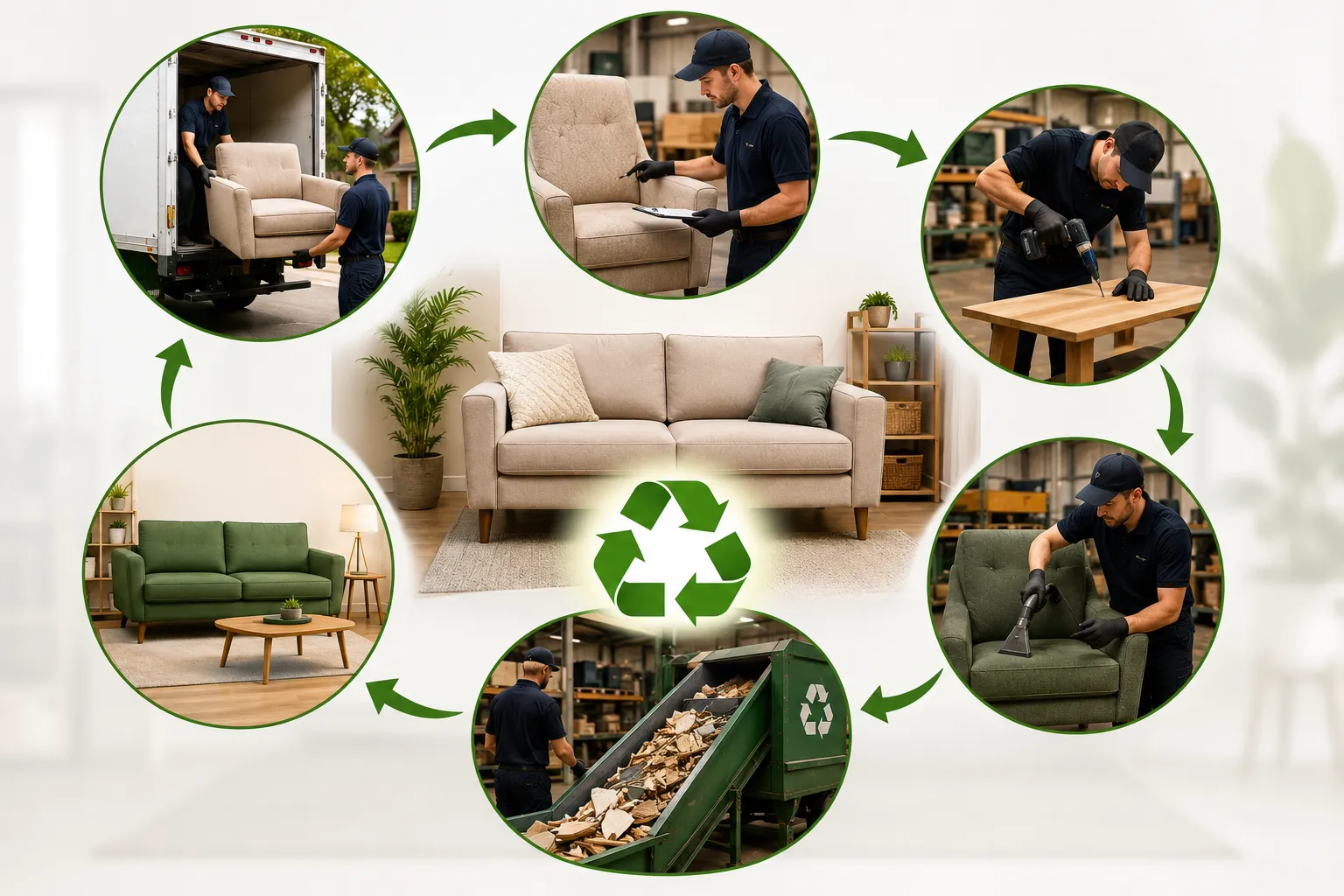
Furniture waste is a growing issue, with millions of usable items discarded each year. Before thinking about disposal, consider whether your furniture could benefit someone else. Tables, chairs, sofas, storage units, and even bed frames often have a second life when they’re reused.
Donation and resale support local communities and reduce the environmental impact of redesign projects. The challenge is that coordinating pickups or drop-offs can be time-consuming.
5. Make Removal Simple and Stress-Free
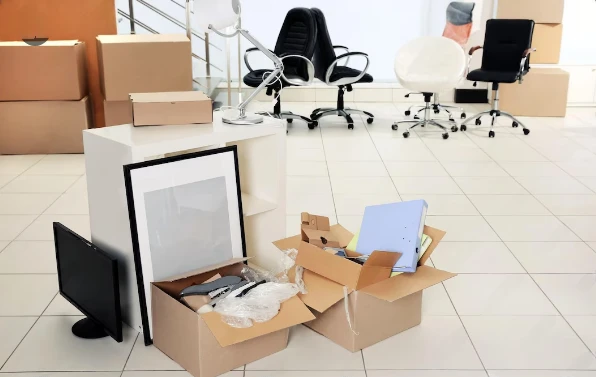
Heavy furniture is hard to move, especially after you’ve just completed a redesign. Professional pickup services eliminate the need for lifting, loading, or transportation. With in-home removal, furniture is taken directly from the room, protecting your newly redesigned space from damage.
6. Don’t Forget About Appliances
Room redesigns often include home offices, guest rooms, or updated laundry spaces. Old mini-fridges, washers, dryers, or other appliances may no longer fit the new layout. If they’re still working, they can often be reused instead of discarded. Responsible appliance removal clears space quickly and keeps useful items out of landfills.
7. Plan Furniture Removal Early
The best time to deal with unwanted furniture is right after the redesign is finished. Waiting too long can lead to clutter or rushed decisions later. Scheduling removal early helps you fully enjoy the updated room without distractions or leftover pieces taking up space.
8. Protect Your New Design
When furniture is being removed, it’s important to protect new floors, walls, and fixtures. Clear pathways and communicate any tight spaces or stairs ahead of time. Professional teams are trained to move bulky items safely, helping preserve the work you just invested in.
Final Thoughts
Room redesigns are about creating spaces that work better for your life today. Letting go of furniture that no longer fits is part of that process. When handled responsibly, furniture removal can support sustainability, reduce waste, and make your home feel lighter and more intentional.
Redesigning a room shouldn’t result in unnecessary landfill waste. With the right approach, unwanted furniture can move on to its next purpose while you enjoy a space that truly feels finished.


Sign in to leave a comment.