

So, all excited to welcome a baby? If so, get ready to make a cute little space for the baby. And yes, it’s important to start from day 1 because babies grow quickly, and your 2bhk flat has to be decluttered.
Most urban 2BHK homes in the USA range between 600 and 1,200 sq. ft., so space is limited. Baby essentials such as diapers, clothes, and feeding supplies can quickly take over. Decluttering helps you create space, reduce stress, and set up a home that supports your routine in the first few months.
Why Decluttering Matters Before a Baby Arrives?
Bringing a baby home changes everything. In the first few weeks, your days will revolve around feeding, changing, and soothing your baby. These moments repeat every few hours, often without much sleep. When your home is cluttered, even small tasks take more effort. Searching for a clean cloth, making space on a table, or navigating around extra furniture can add stress when you are already tired. A clear, organized space makes daily routines smoother and more manageable.
There is also a sense of mental relief that comes with a tidy home. Clutter often creates noise in the background. It can make you feel behind, distracted, or uneasy without you realizing it.
Safety is another important reason. As your baby grows, they will begin to move, reach, and explore. Clear floors, stable furniture, and organized storage reduce the risk of accidents. Even in the early days, having a safe and easy-to-navigate space helps you move confidently while carrying your baby.
Most importantly, decluttering creates room for what truly matters. It allows you to focus on your baby without constant distractions. It gives you a space where you can sit, rest, and bond without feeling surrounded by things that do not serve you anymore.
Before You Start: Set Realistic Goals
Focus on function, not perfection. Most homes have more items than needed. Studies suggest that around 30 to 40 per cent of household items are rarely used.
Sort everything into three categories:
- Keep: items used weekly
- Donate or sell: items in good condition but unused for months
- Discard: broken or expired items
Work in short sessions of 2 to 3 hours a day. Keep boxes, labels, and bags ready, so the process stays smooth.
A Week’s Timeline for Decluttering A 2BHK Flat for A Newborn
Day 1: Living Room Reset
Start with the living room since it is used the most. Clear tables, shelves, and visible surfaces. Keep only essentials such as remotes or a lamp. Remove extra décor and unused furniture.
Create an open space for easy movement. This area may be used for feeding or holding the baby. Organize cables and store items that collect dust. Even removing one bulky item can improve space and comfort.
Day 2: Master Bedroom Declutter
The bedroom will be your main caregiving space. Clear bedside tables and keep only essentials like water, a lamp, and a small basket for baby items.
Make space for a crib or bassinet near your bed. Babies are usually kept in the same room as their parents for the first six months. Remove extra furniture that blocks movement. Organize your wardrobe so that daily wear is easy to access. A clear layout helps during night routines.
Day 3: Second Bedroom Setup
The second bedroom should have a clear purpose. It can be a nursery, storage room, or a mix of both. Remove items that are not in use.
Store baby items such as clothes, diapers, and blankets in labeled bins or shelves. Babies may need 2 to 3 outfit changes a day, so quick access matters. Keep the layout simple and avoid overfilling the room.
Day 4: Kitchen Declutter
A clean kitchen saves time and effort. Remove duplicate utensils, unused appliances, and expired food. Most households use only a small portion of their kitchen tools regularly.
Arrange items based on use. Keep daily items within reach and store the rest in cabinets. Clean the fridge and organize the pantry. You can set aside a small section for baby-related items. An organized kitchen can reduce daily prep and cleanup time.
Day 5: Bathroom and Utility Area
Bathrooms often store expired products and unused items. Check expiry dates and remove what is not needed. Keep daily-use items accessible.
Use small baskets to separate essentials. You can keep baby towels and wipes in one place for quick use. Keep the area clean and dry to reduce the risk of slips. Simple organization here improves hygiene and ease of use.
Day 6: Wardrobe and Storage Areas
Wardrobes hold a lot of unused items. Many people wear only a portion of their clothes regularly. Sort clothes into keep, donate, and discard.
Remove items not used in a year. Create space for baby clothes, which can increase quickly, even though they are small. Babies outgrow clothes every few months, so flexible storage helps. Use dividers or labeled boxes to stay organized.
Day 7: Final Sweep and Removal
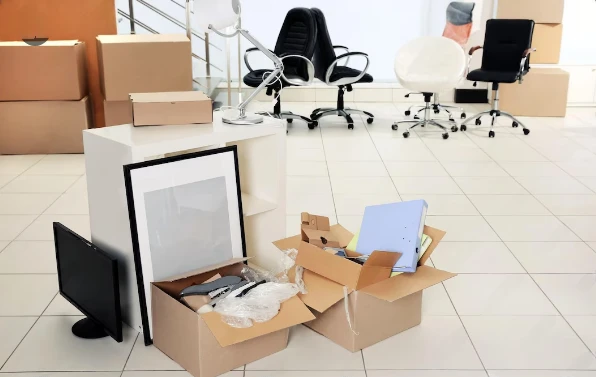
By now, you will have items ready to leave your home. Do not delay this step. Keeping these items can bring clutter back.
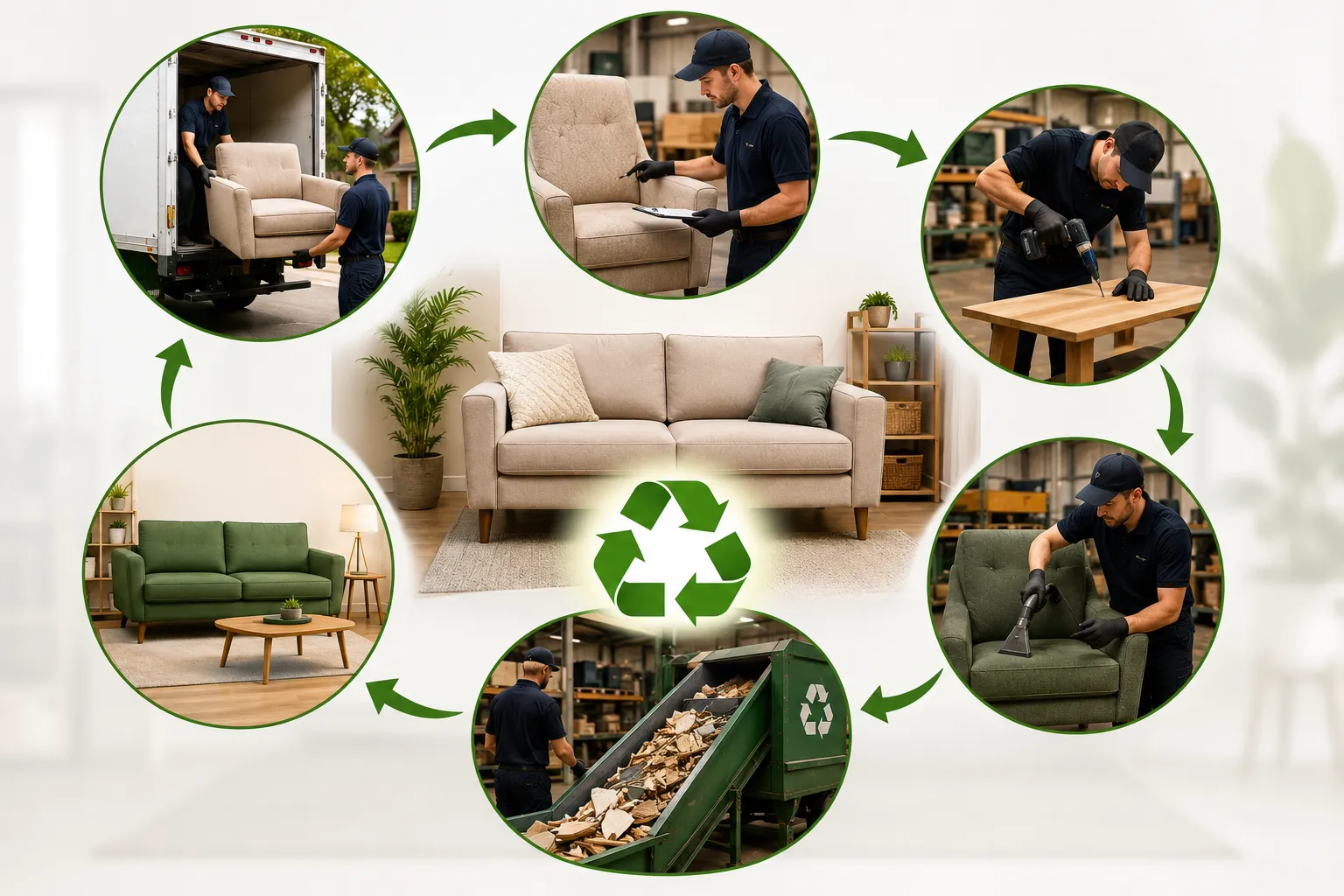
Large items such as beds, sofas, or tables are hard to move. This is where furniture removal services like LoopDeco can help with free furniture pickup. It saves time and effort, and items can be reused or recycled instead of being wasted.
Walk through your home one last time. Check that pathways are clear and essentials are easy to reach. Make small adjustments where needed.
Smart Storage Tips for Small Flats
In compact homes, smart storage is key. Use under-bed storage boxes for seasonal items, install wall shelves to free up floor space, and use baskets or bins for quick organization. Labeling storage can reduce the time spent searching for items, which becomes valuable when caring for a newborn.
Vertical storage can increase usable space by up to 30%, making it a practical solution for 2BHK flats. The goal is to keep everything accessible without overcrowding the space.
What You Don’t Need Yet
It’s common for new parents to overprepare, but not everything is necessary from day one. Avoid buying excessive baby clothes, bulky furniture, or multiple gadgets that may not be used immediately. Babies grow quickly, and their needs change over time.
Start with essentials and add items as required. This approach not only saves money but also prevents unnecessary clutter from building up again.
Maintain the Decluttered Space
Once your home is organized, maintaining it becomes easier with small daily habits. Spend 10–15 minutes a day tidying up, follow a “one in, one out” rule, and keep surfaces clear. Regularly review your belongings and remove items that are no longer needed.
Consistency is more important than perfection. Even simple routines can help keep your home functional and stress-free.
Final Thoughts
Decluttering your 2BHK flat in a week is achievable with a simple plan. Focus on one space at a time and make practical choices. A clear and organized home supports your routine and reduces stress.
The goal is comfort and ease. A well-arranged space helps you focus on caring for your newborn and adjusting to this new phase with less pressure.
























Sign in to leave a comment.