
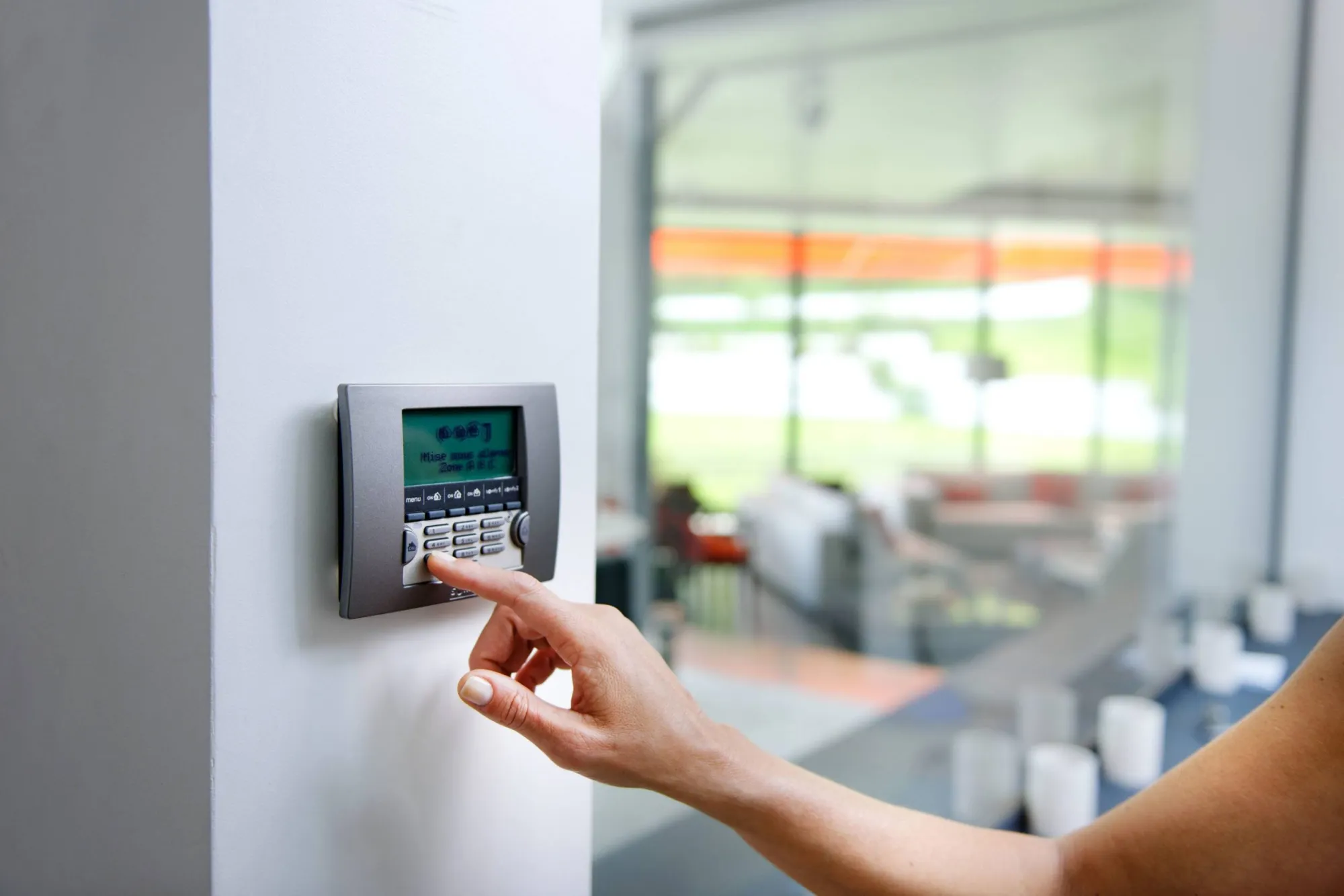
When my brother built his house two years ago, he added exactly one security feature during construction, a basic wired alarm panel tucked into a hallway closet.
Last month, I visited and barely recognized the setup, cameras that recognized his kids' faces, a lock that opened automatically when his phone got close, and a doorbell that texted him whenever someone lingered too long on the porch.
Watching him casually pull up footage from a delivery that happened while we were at dinner made me realize just how much has quietly changed in what people expect from a home security system now.
From Alarms to Awareness
The old model of home security was simple: something triggers a sensor, a siren goes off, and hopefully someone nearby notices before real damage happens.
Smart systems flip that entirely, focusing less on reacting after something goes wrong and more on giving homeowners constant, real-time awareness of what's actually happening around their property.
My brother's doorbell camera, for instance, doesn't wait for a break-in to be useful. It's already told him about a delivery mix-up, a lost dog wandering the street, and a neighbor's kid ringing the wrong house twice.
Cameras That Actually Think
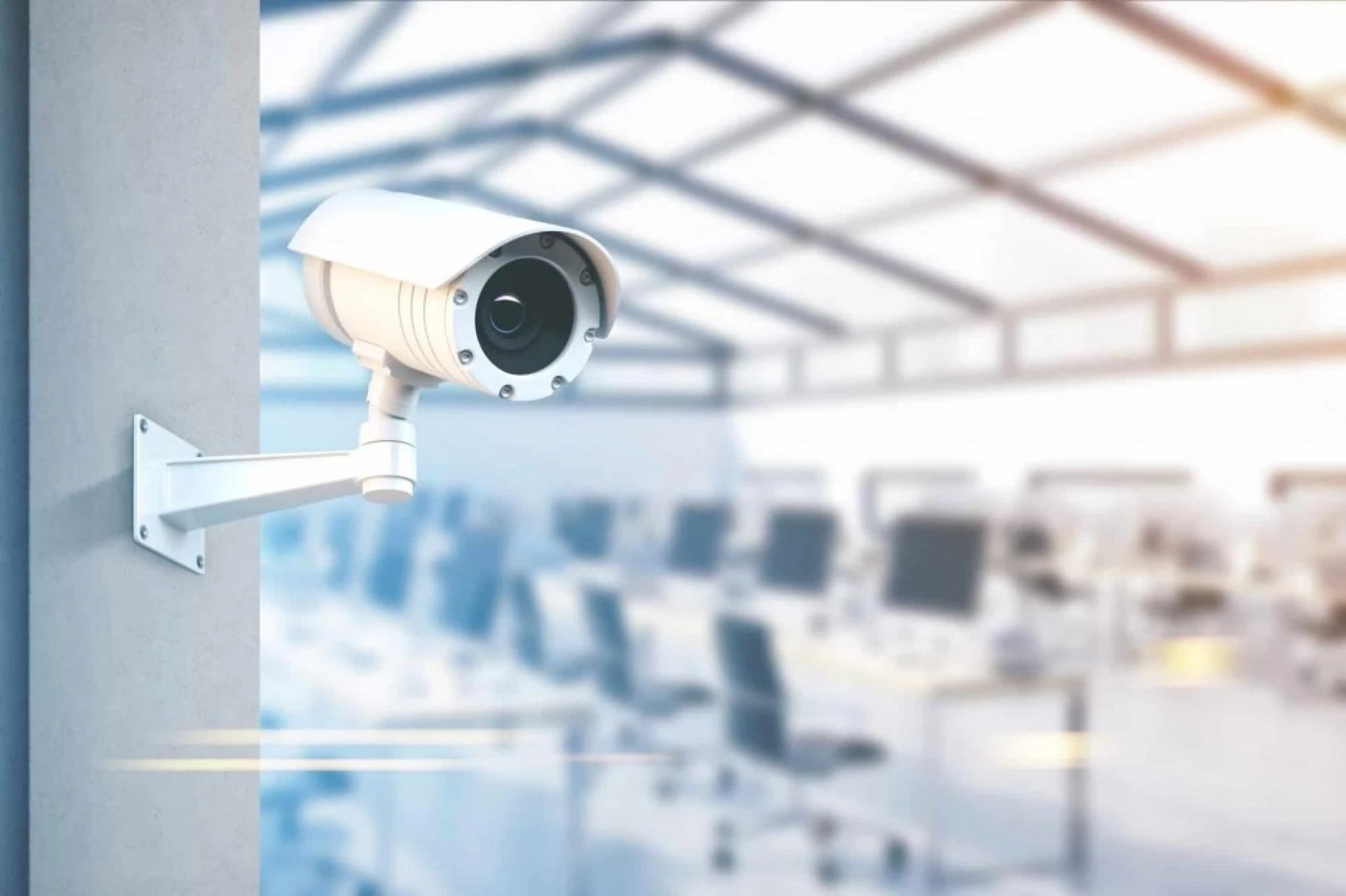
Older cameras simply recorded footage and left humans to sort through hours of it later, usually after something had already gone wrong.
Newer systems use recognition software that distinguishes between a person, a vehicle, and a raccoon knocking over the recycling bin, cutting down dramatically on pointless notifications.
This matters more than it sounds like, because homeowners who get flooded with false alerts eventually start ignoring all of them, which defeats the entire purpose of having cameras in the first place.
Locks and Access Without Physical Keys
Smart locks have quietly become one of the most requested upgrades, letting homeowners grant temporary access codes to guests, cleaners, or contractors without ever handing over a physical key.
My brother uses this constantly for his dog walker, generating a code that only works during specific afternoon hours and automatically expires at the end of the week.
It sounds like a small convenience, but it eliminates the awkward and slightly risky habit of hiding spare keys under mats or fake rocks that most of us grew up relying on.
Everything Talks to Everything Else
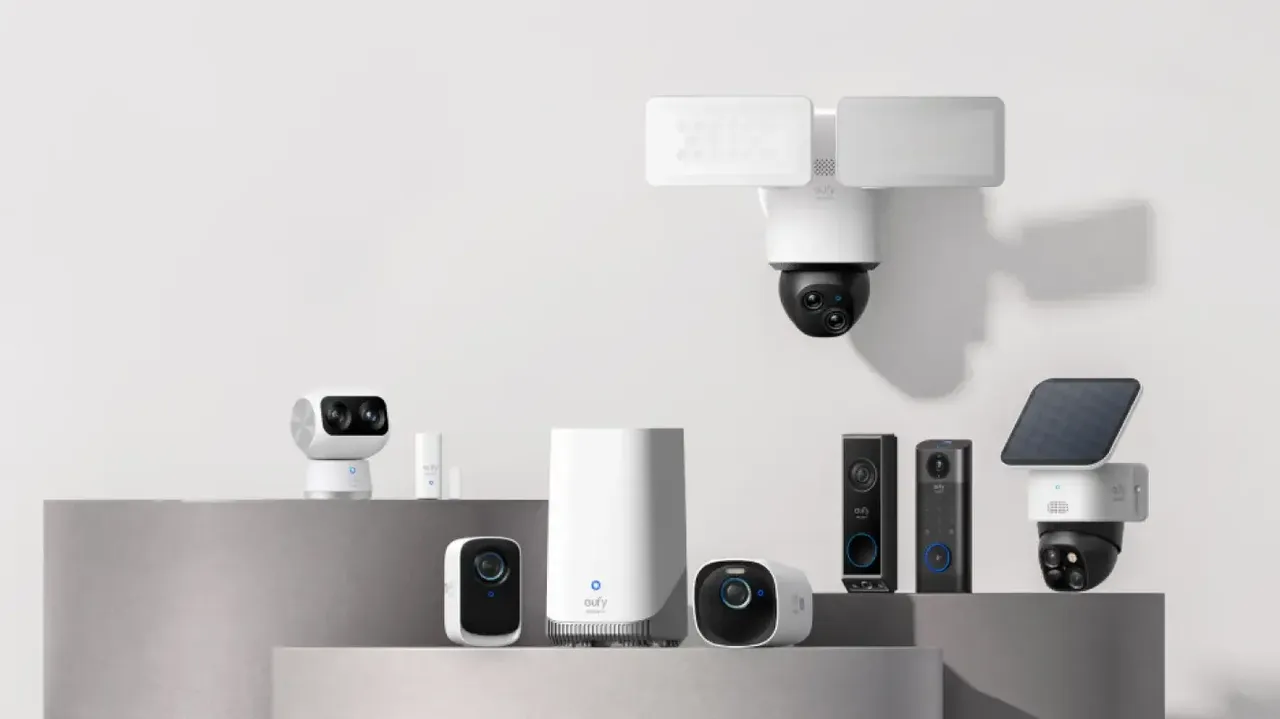
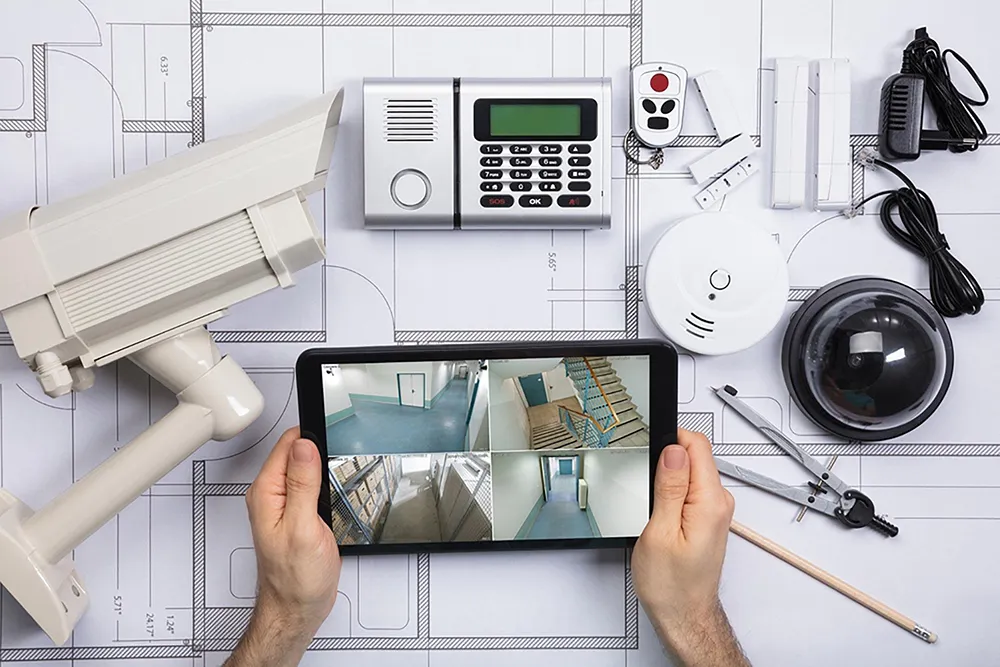
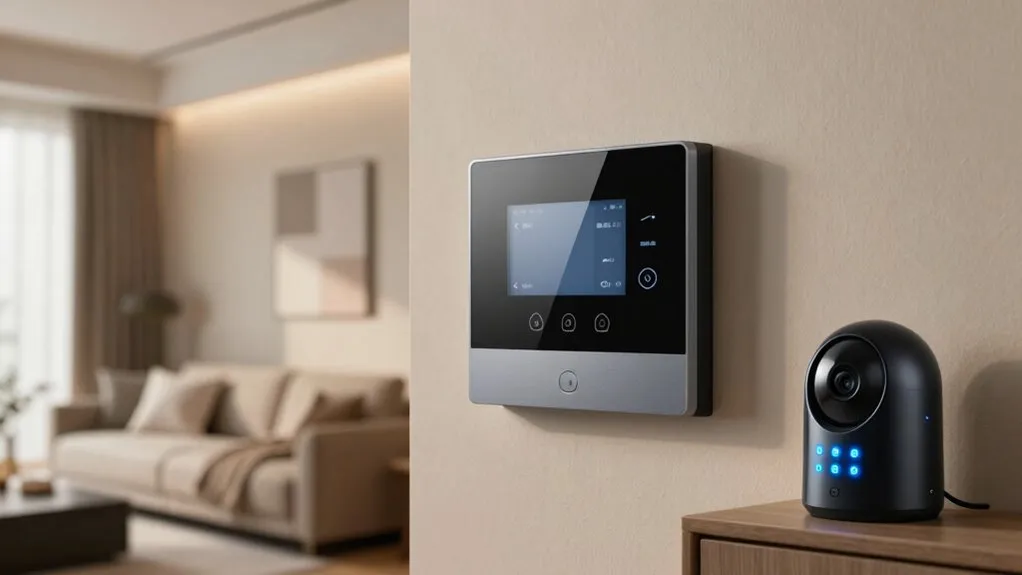
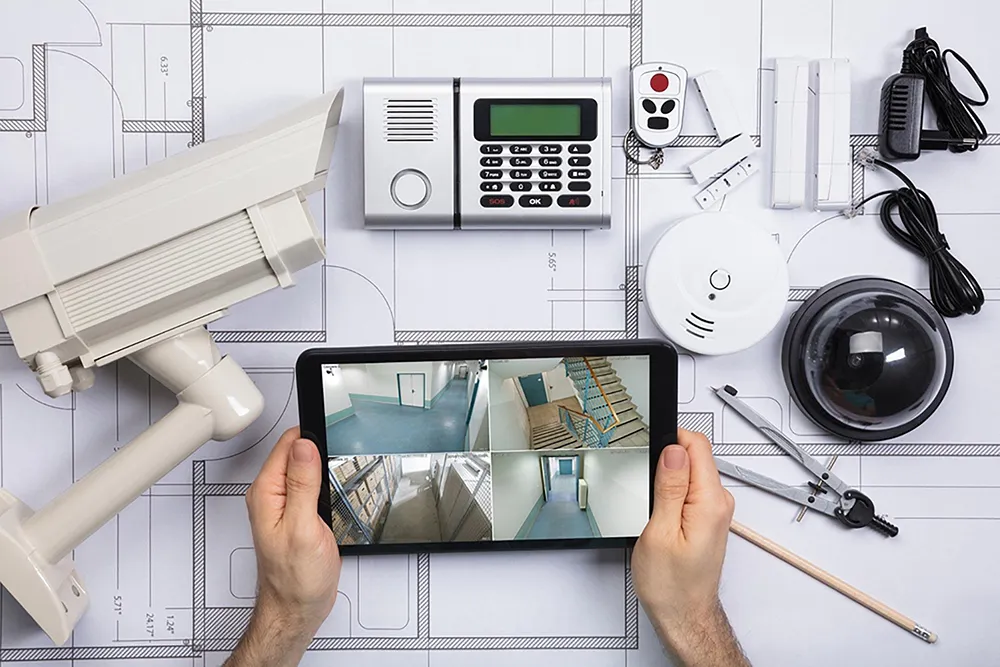
Perhaps the biggest shift is how these devices no longer operate in isolation, with cameras, locks, lights, and sensors now communicating through a single connected system instead of separate apps.
A motion sensor detecting movement outside at night can automatically trigger porch lights and start recording on the nearest camera, all without the homeowner lifting a finger.
While comparing setups with my brother, I noticed most people shopping today are specifically looking for smart home security systems that integrate this way, rather than buying individual gadgets and hoping they'll cooperate later.
The Data Privacy Conversation
With all this connectivity comes a fair question about who actually has access to footage, recordings, and usage patterns collected inside someone's own home.
Reputable providers now offer clearer control over storage location, encryption, and sharing permissions, though it's still worth asking directly rather than assuming every company handles this the same way.
My brother spent an evening reading through privacy policies before committing, something he admitted he never would have bothered with a few years ago.
Affordability Has Changed the Adoption Curve
Smart security used to be reserved for tech enthusiasts willing to spend heavily on early adopter pricing, but costs have dropped enough that mainstream homeowners now consider it a standard purchase.
Subscription models have also softened the upfront cost, spreading advanced features like cloud storage and facial recognition into manageable monthly fees instead of large one-time payments.
This shift alone probably explains more of the recent adoption boom than any single new gadget or feature launched in the past few years.

What My Brother Eventually Added
After watching his system evolve piece by piece, he brought in Empire Security to properly integrate everything and fix a couple of blind spots he hadn't noticed on his own.
Their technician ended up repositioning one camera entirely and adding a sensor near a side window that had somehow been overlooked through two years of piecemeal upgrades.
Where This Is Heading
Standing in his kitchen, watching him casually check on a delivery from his phone mid-conversation, it struck me how normal all of this had become in such a short time.
What used to feel like something out of a spy movie is now just Tuesday for a lot of homeowners, and that shift shows no signs of slowing down anytime soon.
If anything, the gap between houses that adopt this kind of setup and those that don't seems to be widening every year, not narrowing.






















Sign in to leave a comment.