
My mother still talks about the security system her parents had in the seventies, a single loud bell mounted above the front door that rang whenever someone forced it open.
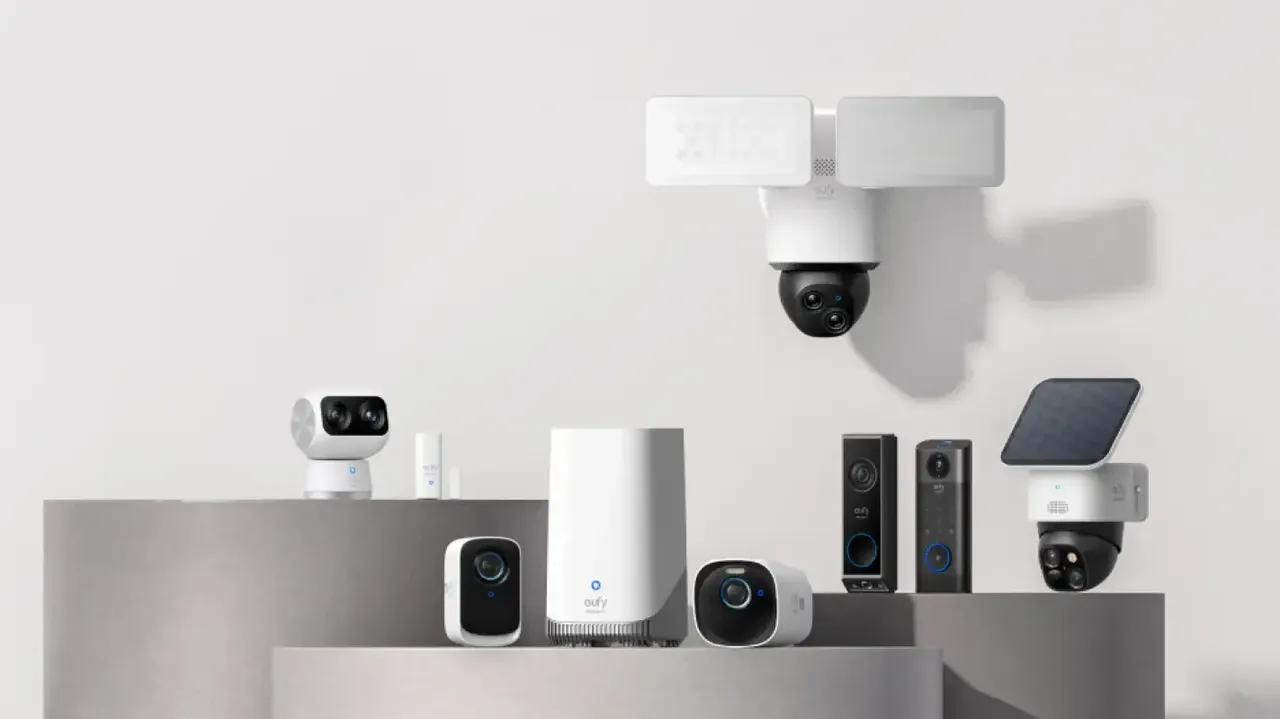
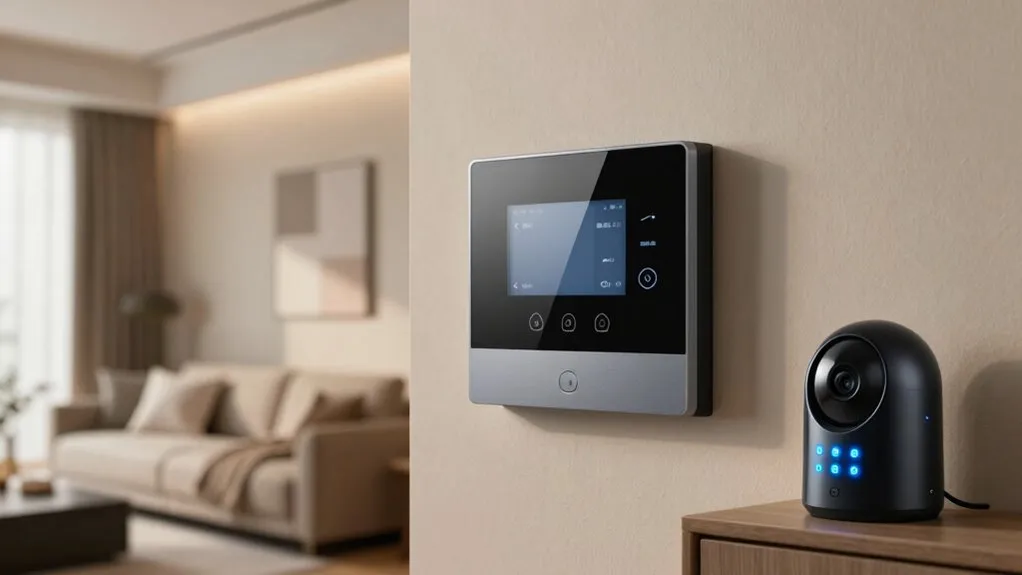
When she moved into her condo last year, I helped her set up something almost unrecognizable by comparison, cameras that sent alerts to her phone, a lock she could open remotely, and a system that learned her daily patterns within weeks.
Watching her go from skeptical to genuinely delighted with it over just a few months made me realize how dramatically the entire category has shifted, even for people who swore they'd never trust "all that smart stuff."
From Reactive Alarms to Constant Awareness
The old approach to home security waited for something to go wrong before doing anything at all, a triggered sensor, a loud sound, and hope that someone nearby noticed in time.
Smart systems changed that logic entirely, shifting toward continuous, low-level awareness that lets homeowners check in on their property casually, the same way they might glance at a weather app throughout the day.
My mother now checks her door camera almost reflexively, not out of anxiety, but the same idle curiosity she'd apply to checking who just texted her.
Recognition Technology Cuts Through the Noise
Early smart cameras notified homeowners about literally everything, a passing car, a blowing leaf, a curious squirrel, which quickly trained people to ignore notifications altogether out of sheer fatigue.
Modern systems distinguish between categories of movement, filtering out irrelevant triggers and only alerting for things that actually matter, like a person approaching the door or a vehicle parking in the driveway.
This single improvement did more for my mother's trust in the system than any other feature, since she stopped getting alerts for her own cat wandering past the camera at 3am.
Remote Access Changes Daily Habits in Small Ways
Being able to unlock a door remotely sounds like a minor convenience until you're the one standing in a parking lot realizing you forgot to let a repair technician in before leaving for work.
My mother uses this constantly now, granting her cleaning service a temporary code rather than juggling physical keys she used to hide and worry about someone finding.
It's changed small daily habits more than any dramatic security feature, the kind of convenience that quietly becomes essential once you've experienced it a few times.
Systems That Communicate With Each Other
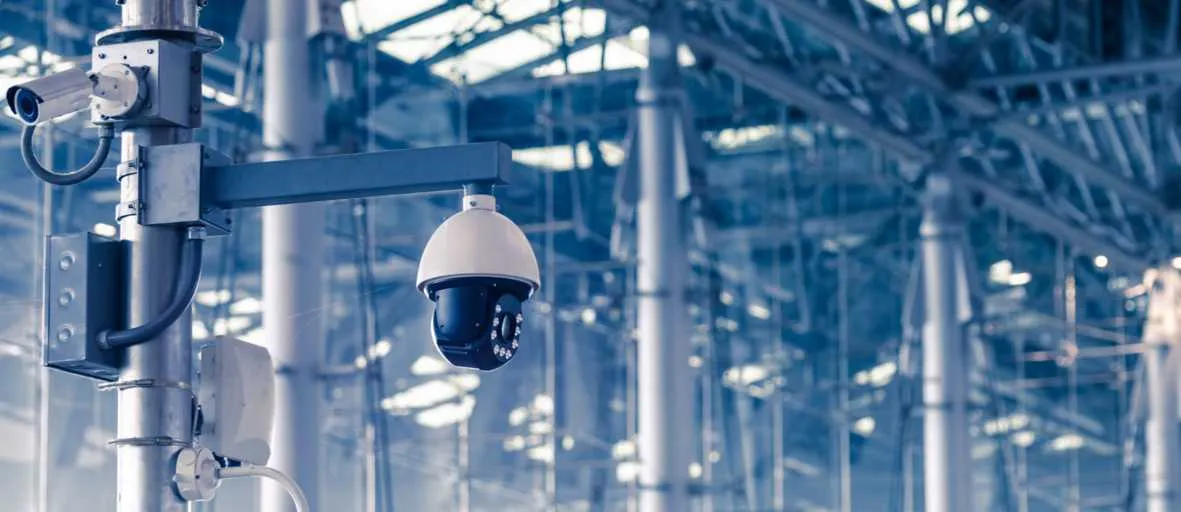
Perhaps the most significant shift is how these devices no longer function as isolated gadgets, with locks, cameras, lights, and sensors now coordinating through a single connected system.
A camera detecting motion outside at night can automatically trigger exterior lighting and begin recording, all without any manual input from the homeowner standing inside.
While setting up her condo, I noticed most people shopping today specifically want a home security system that ties everything together this way, rather than assembling separate devices that never quite sync up properly.
Voice Control Adds Another Layer of Simplicity
For homeowners like my mother who aren't naturally tech-inclined, voice commands have removed a surprising amount of friction from daily interaction with these systems.
Being able to simply say "lock the front door" instead of navigating through an app has made her far more consistent about actually using the security features she paid for.
This matters more than it sounds, since a system that's technically capable but too complicated to use daily ends up providing far less actual protection than a simpler one people actually engage with.
The Subscription Question Worth Understanding
Many smart features, cloud storage, advanced recognition, extended video history, now come bundled into monthly subscriptions rather than one-time equipment purchases.
This shift lowers the upfront cost significantly but means ongoing value depends on continuing to pay for features that used to come included automatically with the hardware itself.
My mother initially resisted the subscription model on principle, though she admitted within a month that the convenience justified the modest monthly cost far more than she expected.
What Finally Rounded Out Her Setup
A few months in, she brought in Empire Security to review everything and make sure her condo's layout didn't have any overlooked gaps in coverage.
Their technician adjusted one camera angle that had been catching mostly hallway traffic instead of her actual front door, a small fix that immediately improved the footage quality she'd been getting.
A Quiet Kind of Confidence
What strikes me most, watching my mother now, is how unremarkable all of this has become to her, checking her phone mid-conversation the way anyone might check a text message.
The technology that once felt intimidating and unnecessary to her generation has quietly become just another part of daily life, no different than the smartphone she resisted for years before finally giving in.
If her transformation is any indication, the gap between homes using this kind of system and those still relying on a single loud bell above the door is only going to keep widening from here.























Sign in to leave a comment.