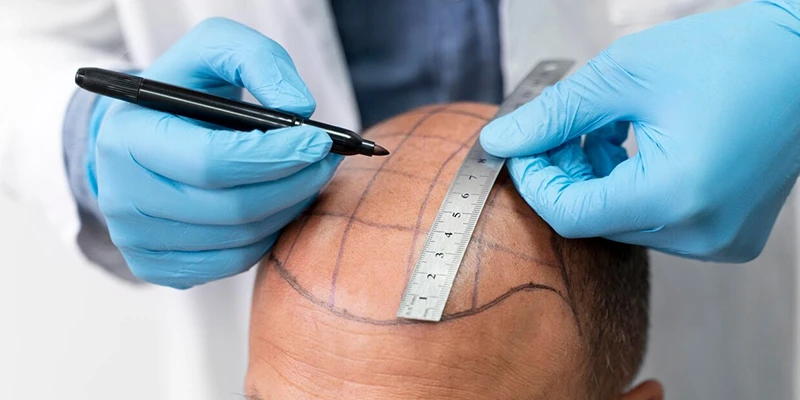

Hair transplants are a popular solution for restoring natural hair growth and boosting confidence. However, understanding the entire process—from preparation to recovery—is essential for a successful outcome. Here’s what you need to know before, during, and after your hair transplant in saudi arabia
Before Your Hair Transplant
Proper preparation is critical to ensure safety and maximize results.
Consultation with a Hair Specialist
Before scheduling surgery, a consultation with a qualified hair restoration specialist is necessary. During this visit, your doctor will:
- Assess your hair loss pattern and donor area
- Evaluate your overall health and medical history
- Discuss suitable transplant techniques (FUE, FUT, or advanced methods)
- Set realistic expectations for results
Preparing Your Scalp and Body
To reduce complications:
- Avoid blood-thinning medications and supplements as advised by your doctor
- Stop smoking and limit alcohol intake before surgery
- Follow any pre-procedure instructions given by your clinic
Understanding the Costs and Procedure Details
Hair transplants vary in cost depending on the technique, clinic, and number of grafts. Knowing the financial commitment and expected timeline is important before proceeding.
During Your Hair Transplant
The procedure itself is usually safe and performed under local anesthesia.
Types of Hair Transplant Procedures
Follicular Unit Extraction (FUE)
FUE involves removing individual hair follicles from the donor area and implanting them into the thinning area. It leaves minimal scarring and allows quicker recovery.
Follicular Unit Transplantation (FUT)
FUT removes a strip of scalp from the donor area, which is then dissected into individual grafts. This technique is ideal for covering larger bald areas but may leave a linear scar.
The Surgical Process
- Anesthesia: Local anesthesia numbs the scalp for a comfortable experience.
- Extraction: Hair follicles are carefully harvested from the donor area.
- Implantation: Follicles are implanted into the recipient area, ensuring a natural growth pattern.
- Duration: Depending on the number of grafts, procedures can last 4–8 hours or longer.
After Your Hair Transplant
Recovery and proper care are essential for successful results.
Initial Recovery Period
- Mild swelling, redness, and discomfort may occur in the first few days
- Small scabs form around transplanted follicles and naturally fall off within 7–10 days
Shedding Phase
It’s normal for transplanted hair to shed within 2–3 weeks post-surgery. This is part of the natural growth cycle and precedes new hair growth.
New Hair Growth Timeline
- 3–4 months: Initial hair growth begins
- 6–9 months: Noticeable improvement and density
- 12 months: Full results with natural hair growth
Post-Procedure Care Tips
- Follow all instructions provided by your surgeon
- Use gentle shampoo and avoid harsh styling products
- Maintain a balanced diet and healthy lifestyle
- Attend follow-up appointments to monitor growth and progress
Potential Risks and How to Minimize Them
While hair transplants are generally safe, risks include:
- Infection or irritation at the transplant site
- Poor hair growth if follicles are damaged
- Temporary swelling or numbness
Choosing an experienced surgeon and following post-operative instructions significantly reduces these risks.
Conclusion
Knowing what to expect before, during, and after your hair transplant helps you make informed decisions and ensures a smoother journey toward natural hair restoration. Proper preparation, careful procedure selection, and diligent aftercare can lead to long-lasting, natural-looking results that boost confidence and appearance.































Sign in to leave a comment.