

Dental veneers are an increasingly popular cosmetic treatment for individuals looking to improve the appearance of their teeth. Whether you're seeking to correct discoloration, chips, gaps, or misalignment, veneers can provide a natural-looking solution. If you are considering veneers, the first step is to schedule a consultation with a veneers dentist in Columbus. The consultation is a crucial step in ensuring that veneers are the right treatment for you and that you understand the process from start to finish. In this guide, we’ll walk you through what to expect during a veneer consultation, including the evaluation process, the questions you should ask, and the information you will need to make an informed decision.
Understanding Veneers and How They Work
Before diving into what happens during your consultation, it's helpful to have a basic understanding of veneers.
What Are Dental Veneers?
Veneers are thin shells of tooth-colored porcelain or resin composite materials that are bonded to the front surface of your teeth. They are custom-designed to fit your teeth and can be used to correct a variety of cosmetic issues, including:
- Stained or discolored teeth
- Chipped or broken teeth
- Gaps between teeth
- Minor misalignments
Veneers provide a long-lasting, natural-looking solution that can dramatically improve the appearance of your smile.
The Types of Veneers
There are two main types of dental veneers:
- Porcelain Veneers: These are the most common type and are highly durable, stain-resistant, and mimic the natural appearance of teeth.
- Composite Veneers: These are made from a resin material and are typically less expensive than porcelain veneers. However, they may not be as durable or stain-resistant as porcelain.
During your consultation, your dentist will discuss the benefits and limitations of each type of veneer to determine which is best for your needs.
What Happens During a Veneer Consultation?
The consultation for veneers is the first step in your smile transformation journey. It’s important to understand what to expect during this initial appointment so you can be well-prepared. The consultation typically lasts between 30 to 60 minutes and involves several key steps.
Initial Discussion and Evaluation
When you first arrive for your consultation, the dentist will spend time discussing your goals and expectations for your smile. This is an important part of the process, as it allows the dentist to understand exactly what you are hoping to achieve with veneers.
Your Dental Concerns
You will be asked about any specific concerns you have regarding your teeth, such as discoloration, chipped teeth, or spacing issues. You should also mention if you have any dental health issues, such as gum disease or cavities, as these conditions may need to be addressed before veneers can be placed.
Desired Results
It’s important to express your desired outcome during the consultation. Whether you want a dramatic change or a subtle enhancement, the dentist will tailor the treatment to suit your needs.
Dental Examination and X-rays
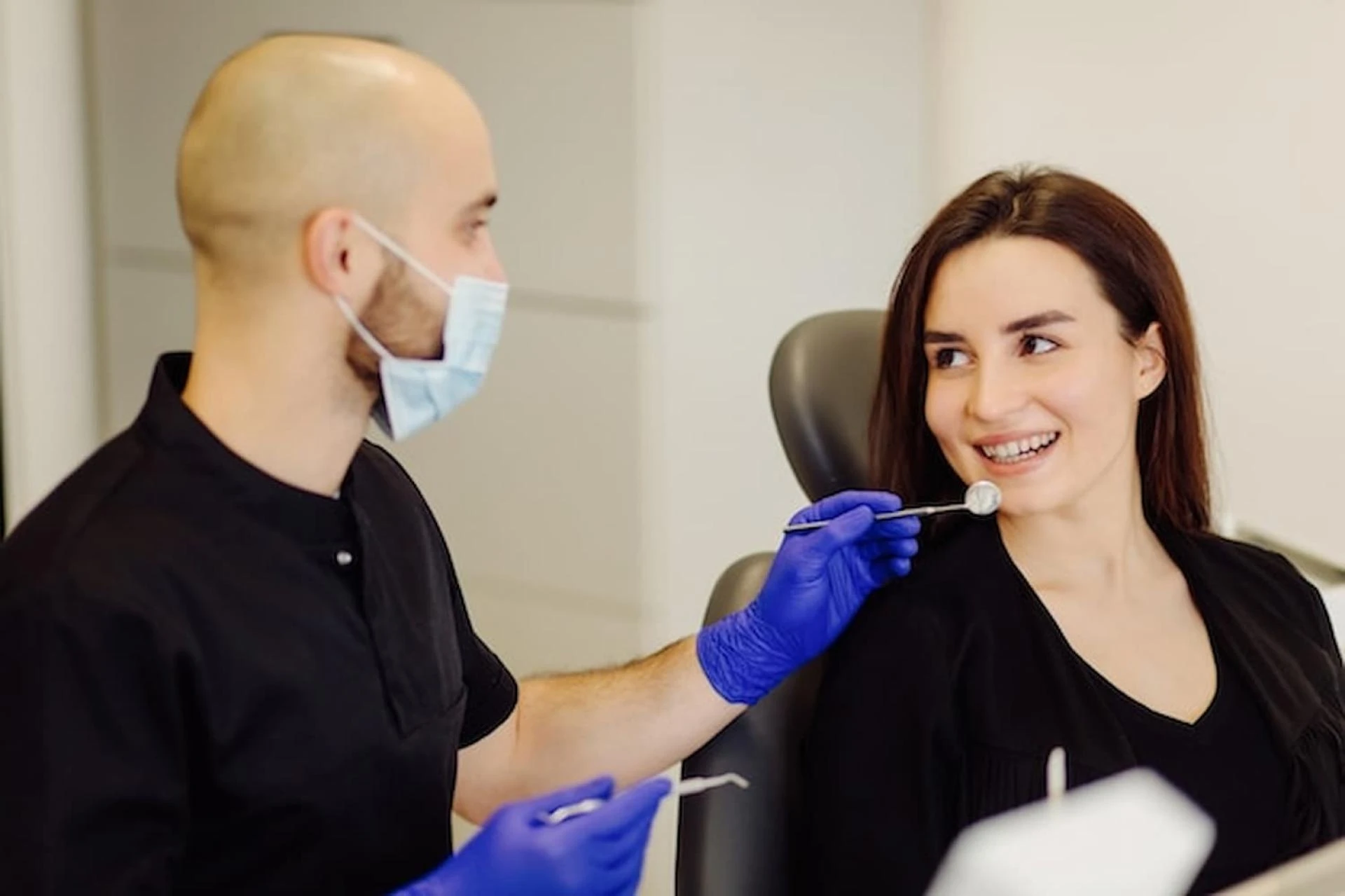
During the consultation, the dentist will examine your teeth and gums to determine if veneers are the right solution for you. This examination typically includes:
- Visual Examination: The dentist will assess the alignment, shape, and size of your teeth to evaluate whether veneers will work for you.
- X-rays: In some cases, the dentist may take X-rays to check the overall health of your teeth and jawbone. This helps identify any underlying issues, such as cavities or bone loss, that could affect the placement of the veneers.
If there are any existing dental problems, such as cavities or gum disease, the dentist may recommend that you address these issues before proceeding with veneers.
Discussion of Treatment Options
After evaluating your teeth, the dentist will discuss whether veneers are the best option for you or if alternative treatments, such as whitening, crowns, or orthodontics, might be more appropriate for your situation.
The Veneer Process
If veneers are recommended, the dentist will explain the entire process in detail, including the number of visits required, the timeline, and the materials used. The process generally involves:
- Preparation: The dentist will remove a small amount of enamel from your teeth to make room for the veneers. This step ensures that the veneers fit comfortably and securely.
- Impressions: Once your teeth are prepared, the dentist will take impressions of your teeth, which will be used to create custom veneers. This step may involve the use of digital scanning technology or traditional molds.
- Temporary Veneers: If needed, the dentist may place temporary veneers over your teeth while your custom veneers are being made in the lab.
- Placement: Once your veneers are ready, the dentist will bond them to your teeth, ensuring they fit properly and provide the desired aesthetic results.
Customization of Veneers
Your dentist will work with you to ensure that your veneers meet your aesthetic goals. The size, shape, and color of the veneers will be customized to blend seamlessly with your natural teeth. If you're unsure about the appearance of your veneers, many dentists offer "try-in" appointments, where you can temporarily place the veneers over your teeth to get a sense of how they will look.
Candidacy for Veneers
Not everyone is a suitable candidate for veneers. During your consultation, the dentist will determine if you are a good candidate for the procedure. Several factors influence whether veneers are right for you, including:
- Healthy Teeth and Gums: Ideal candidates should have strong, healthy teeth and gums free from cavities or gum disease.
- Adequate Enamel: Since a small amount of enamel is removed to place veneers, it’s essential to have sufficient natural tooth structure.
- Good Oral Hygiene: Patients who maintain good oral hygiene are more likely to have successful veneer outcomes.
- Realistic Expectations: Veneers are a cosmetic treatment and are best for individuals who have realistic expectations about the results.
If veneers aren’t a good fit for you, the dentist may suggest alternative cosmetic treatments.
Key Questions to Ask During the Consultation
To ensure that you’re fully informed about your veneer treatment, it’s important to ask the right questions during your consultation. Here are some helpful questions to ask your dentist:
- What is the full cost of the veneer treatment, and do you offer financing options?
- How long will the veneers last, and how should I care for them to ensure longevity?
- Will I need any follow-up visits after the placement of the veneers?
- Are there any risks or side effects associated with veneers?
- How do veneers compare to other cosmetic treatments, such as crowns or bonding?
- Can veneers help with issues like teeth misalignment or gaps?
Veneer Costs and Financing
Veneer costs can vary depending on the materials used, the number of veneers required, and the complexity of the procedure. During the consultation, the dentist will provide you with a detailed cost estimate and discuss payment options. Many dental offices offer financing plans to help make the treatment more affordable.
Aftercare and Maintenance
After the veneers are placed, it’s essential to take care of them properly to ensure their longevity. The dentist will provide you with specific aftercare instructions, which may include:
- Avoiding hard foods or objects that could damage the veneers.
- Brushing and flossing regularly to maintain oral hygiene.
- Visiting the dentist for periodic checkups to ensure that the veneers are still in good condition.
Risks and Considerations
While veneers are generally safe, it’s essential to be aware of any potential risks or complications, including:
- Tooth sensitivity after the veneers are placed.
- The possibility of damage or chipping if veneers are not properly cared for.
- The irreversible nature of the procedure, as a small amount of enamel is removed.
Conclusion
A veneer consultation with a dentist in Columbus is the first step toward achieving the smile you’ve always wanted. By understanding what to expect during the consultation, you can make an informed decision about whether veneers are the right choice for you. During the consultation, the dentist will evaluate your dental health, discuss your goals, explain the procedure, and provide cost estimates. If you’re ready to enhance your smile with veneers, consider scheduling a consultation with a skilled and experienced cosmetic dentist. For personalized care and expert guidance, Crown Point Dental Care is here to help you achieve a beautiful, confident smile.





























Sign in to leave a comment.