
A beautiful smile not only boosts confidence but also plays a key role in maintaining good oral health. For many individuals, achieving a perfectly aligned smile requires the help of orthodontic treatment. Among the various options available today, traditional braces remain one of the most reliable and effective methods for straightening teeth. Whether for children, teens, or adults, traditional braces have helped millions of people achieve healthy, balanced smiles. This comprehensive guide explores everything patients should know about Traditional Braces in Columbus, including how they work, their benefits, and what to expect during treatment.
What Are Traditional Braces
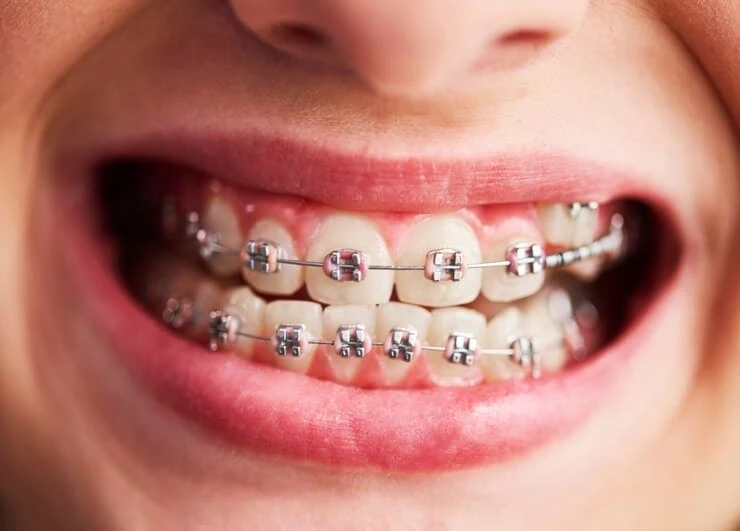
Traditional braces are orthodontic appliances made of high-quality metal brackets and wires that work together to move teeth into proper alignment. They are among the oldest and most proven methods for correcting misaligned teeth, bite problems, and overcrowding. Despite advances in orthodontics, traditional braces continue to be widely used because of their reliability and ability to treat even the most complex dental cases.
How Traditional Braces Work
Traditional braces function through a combination of pressure and controlled movement. Each bracket is attached to the surface of a tooth using dental adhesive. A thin metal wire runs through the brackets, and small elastic bands help secure the wire in place. Over time, gentle pressure from the wire gradually shifts the teeth into the desired position.
Periodic adjustments by the orthodontist ensure that the teeth continue to move correctly. The process is carefully planned and monitored to achieve precise results without causing damage to the surrounding bone or tissues.
Types of Metal Braces
While all traditional braces use the same basic components, there are slight variations in materials and appearance. Standard stainless-steel braces are the most common, known for their strength and durability. Some patients opt for smaller or lower-profile brackets that offer a more subtle look. There are also options for colored elastics, which many younger patients enjoy customizing at each visit.
Conditions That Traditional Braces Can Correct
Traditional braces are suitable for a wide range of orthodontic issues. They can treat mild to severe cases effectively, making them a versatile option for patients of all ages.
Crooked or Misaligned Teeth
Braces are ideal for correcting teeth that are twisted, tilted, or unevenly spaced. The gentle, continuous pressure realigns the teeth to create a straighter, more uniform smile.
Overbites and Underbites
An overbite occurs when the upper front teeth overlap the lower ones excessively, while an underbite is when the lower teeth extend beyond the upper teeth. Both conditions can be corrected through strategic adjustments made during orthodontic treatment.
Crossbites and Open Bites
A crossbite happens when some of the upper teeth sit inside the lower teeth rather than outside them. An open bite occurs when the front teeth do not touch even when the mouth is closed. Traditional braces can correct these issues by repositioning the teeth and jaws for proper alignment.
Crowding and Spacing Issues
Teeth that are crowded can make cleaning difficult and lead to plaque buildup, gum disease, or tooth decay. On the other hand, excessive spacing can affect appearance and bite function. Braces effectively close gaps and align teeth for improved aesthetics and health.
The Process of Getting Traditional Braces in Columbus
Choosing Traditional Braces in Columbus involves several important steps. Understanding what to expect helps patients prepare for their orthodontic journey with confidence.
Initial Consultation
The first step is an orthodontic consultation. During this visit, the orthodontist evaluates the patient’s teeth, jaw, and bite using X-rays, photographs, and impressions. A personalized treatment plan is then created to outline the type of braces, estimated duration, and overall cost.
Placement of Braces
Once the plan is finalized, the braces are applied in a relatively simple and painless procedure. Each bracket is bonded to the teeth, and the orthodontic wire is threaded through them. Small elastic ties are then added to secure the wire. Patients may feel slight pressure or tightness for a few days after placement as their mouth adjusts.
Regular Adjustments
Throughout the treatment, patients must visit the orthodontist every four to eight weeks for adjustments. During these appointments, the orthodontist tightens the wire or changes elastics to continue guiding the teeth into their new positions. These visits are essential for ensuring consistent progress.
Retention Phase
Once the teeth are properly aligned, the braces are removed, and the patient transitions into the retention phase. A custom-made retainer is provided to maintain the new alignment and prevent teeth from shifting back to their original position. Wearing the retainer as directed is critical for long-lasting results.
Benefits of Traditional Braces
Traditional braces offer a variety of advantages that make them an excellent choice for both aesthetic and functional improvements.
High Effectiveness
Traditional braces are known for their precision and strength, making them capable of correcting even the most challenging orthodontic cases. They can move teeth in multiple directions simultaneously, something that clear aligners may not always achieve.
Cost Efficiency
Compared to newer orthodontic treatments, traditional braces are generally more affordable. They provide excellent results without the added expense of specialized materials or advanced technology.
Customizable Appearance
While metal braces are noticeable, modern designs are smaller, sleeker, and more comfortable than in the past. Patients can also personalize their braces with colored elastic bands, which makes the experience more enjoyable for younger patients.
Improved Oral Health
Correctly aligned teeth are easier to clean and less likely to develop cavities or gum disease. Straight teeth also distribute bite forces evenly, reducing wear and tear on specific teeth and improving overall oral function.
Caring for Traditional Braces
Proper care is vital to ensure that braces remain effective and that the teeth stay healthy throughout treatment.
Daily Oral Hygiene
Patients with braces must brush their teeth after every meal to remove trapped food particles. Using an orthodontic toothbrush, floss threader, or water flosser helps clean around brackets and wires. Maintaining consistent oral hygiene prevents plaque buildup and tooth discoloration.
Dietary Considerations
Certain foods can damage braces or make cleaning difficult. Hard, sticky, or chewy foods should be avoided, as they can break brackets or bend wires. Softer foods like yogurt, pasta, and cooked vegetables are easier to eat and safer for orthodontic appliances.
Managing Discomfort
Mild discomfort after adjustments is common but temporary. Patients can use orthodontic wax to cover any sharp edges and relieve irritation. Over-the-counter pain relievers may be recommended by the orthodontist if needed.
Regular Dental Visits
Even during orthodontic treatment, regular dental checkups are essential. Professional cleanings and exams help ensure that teeth and gums remain healthy while braces are in place.
How Long Does Treatment Take
The length of time a patient needs to wear traditional braces varies based on the complexity of the case and individual response to treatment. On average, treatment lasts between 18 months and 3 years. Following the orthodontist’s recommendations, maintaining good hygiene, and attending scheduled appointments can help achieve the desired results faster.
Life After Braces
Once braces are removed, patients often experience a significant boost in confidence. However, maintaining that perfect smile requires ongoing care. Wearing a retainer as prescribed ensures that the teeth remain in their new positions. Regular dental visits, along with proper brushing and flossing, help preserve the long-term results.
Finding the Right Orthodontist
Choosing the right professional for Traditional Braces in Columbus is an important step in achieving successful results. Patients should look for an experienced orthodontist who offers personalized treatment plans, advanced technology, and a patient-centered approach. A skilled orthodontist will take time to explain every step of the process and ensure comfort throughout treatment.
Conclusion
Traditional braces remain one of the most trusted and effective methods for achieving a straight, healthy smile. They are suitable for patients of all ages and can correct a wide range of orthodontic issues with predictable results. With proper care and professional supervision, the outcome is a beautifully aligned smile that lasts for years.
For those considering Traditional Braces in Columbus, seeking care from a trusted dental provider ensures the best possible experience. Patients can rely on Crown Point Dental Care for expert orthodontic treatment, personalized attention, and a commitment to helping every patient achieve a confident, radiant smile.


























Sign in to leave a comment.