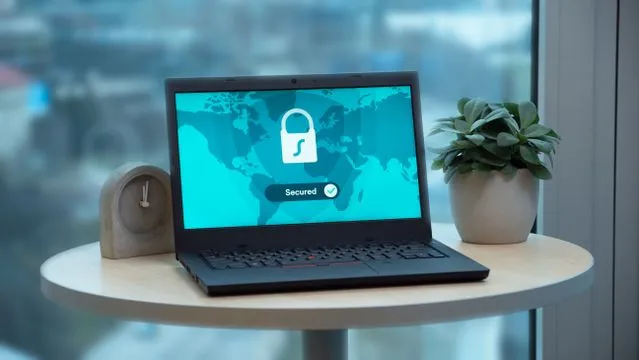

Organizations manage large volumes of business information across email systems, cloud applications, databases, employee devices, and shared environments. Protecting this information requires more than basic access controls because modern threats can involve unauthorized access, accidental exposure, malware, insider activity, and compromised credentials. A data security platform can provide a structured approach to identifying, monitoring, and protecting sensitive information across different environments. Businesses should evaluate security capabilities carefully and consider how well a platform supports visibility, access management, encryption, monitoring, compliance, and incident response throughout the information lifecycle.
Identifying Sensitive Information
Effective information protection begins with understanding where sensitive data exists and how it moves throughout an organization. Businesses should identify customer records, financial information, intellectual property, confidential documents, employee information, and other valuable resources. Classification capabilities can help organizations organize information according to sensitivity and business importance. Once information has been identified, security teams can apply appropriate controls based on risk. Clear visibility into sensitive data can reduce blind spots and help organizations focus security resources on information that could create significant consequences if exposed, modified, or improperly accessed.
Centralized Visibility and Monitoring
Organizations often store information across multiple systems, making centralized visibility an important security requirement. A modern security environment should provide useful insight into where information resides, who can access it, and how it is being used. Centralized monitoring can help security teams identify unusual activity and investigate potential threats more efficiently. Without adequate visibility, suspicious behavior may remain unnoticed until significant damage occurs. Businesses should therefore evaluate whether a platform can provide meaningful information across relevant environments while allowing authorized security personnel to monitor activities through an organized and manageable interface.
Real Time Activity Monitoring
Timely detection can improve an organization's ability to respond to potential security problems. Activity monitoring can track access attempts, file transfers, downloads, modifications, sharing activities, and other relevant events. Security teams can establish alerts for behavior that differs from normal patterns or violates established policies. Real time visibility can help organizations investigate suspicious activity before it develops into a larger incident. However, monitoring systems should be configured carefully to reduce unnecessary alerts and ensure that security teams can focus attention on events that represent meaningful risks to business information.
Strong Access Management
Controlling access to sensitive information is a fundamental part of modern security. Organizations should ensure that employees can access only the information required for their responsibilities. Role based access controls can help establish appropriate permissions according to job functions, departments, and organizational responsibilities. Administrators should also be able to review and modify permissions as employee roles change. Strong access management can reduce unnecessary exposure while limiting the potential impact of compromised accounts. Businesses should regularly review access rights to identify outdated permissions and maintain a more controlled information environment.
Multi Factor Authentication
Authentication provides an important layer of protection because stolen or compromised credentials can allow unauthorized users to access sensitive information. Multi factor authentication requires users to provide additional verification beyond a password, making account compromise more difficult. Organizations should consider whether security tools support flexible authentication options and centralized policy management. Strong authentication should be combined with access controls, monitoring, and employee awareness rather than treated as a standalone solution. A layered approach can provide stronger protection against credential theft and unauthorized account activity across business systems.
Data Encryption and Protection
Encryption can help protect information by making it difficult to interpret without appropriate authorization. Organizations should consider encryption for sensitive information both while stored and while being transmitted between systems or users. This can provide an additional safeguard when data moves across networks, cloud services, devices, and collaboration platforms. Businesses should evaluate how encryption is implemented and managed because effective protection depends on appropriate configuration and access controls. Encryption can reduce the consequences of unauthorized access while supporting broader security objectives for confidential business information.
Protecting Data During Transfer
Information often moves between employees, customers, suppliers, applications, and external services. Each transfer can create opportunities for accidental exposure if appropriate safeguards are not applied. Secure transfer methods and encryption can help protect sensitive information while it moves between authorized parties. Organizations should also establish policies governing external sharing and ensure that employees understand approved communication methods. Combining technical controls with clear procedures can reduce accidental disclosures and help maintain stronger protection when information needs to move between different environments for legitimate business purposes.
Threat Detection and Response
Modern security requires more than preventing unauthorized access because attackers may use phishing, malware, compromised credentials, or insider activity to reach sensitive information. Threat detection capabilities can help identify suspicious behavior and provide security teams with useful information for investigation. Automated alerts can identify potential risks quickly while centralized monitoring can help teams understand the broader context of an event. Organizations should also evaluate response capabilities that support containment and remediation. Faster identification and response can reduce the potential impact of security incidents and help businesses protect critical information more effectively.
Automated Security Alerts
Automated alerts can help security teams identify activity that requires investigation without manually reviewing every event. Organizations can establish rules for unusual access, large data transfers, repeated authentication failures, unexpected downloads, or other risk indicators. Alerts should be prioritized according to severity so security personnel can focus on the most important incidents. Excessive low value notifications can create alert fatigue and reduce effectiveness. A well configured alerting system can improve response times while providing security teams with actionable information about potential threats affecting sensitive business information.
Data Loss Prevention Capabilities
Organizations need controls that reduce the likelihood of sensitive information being shared or transferred inappropriately. Data loss prevention capabilities can identify certain types of sensitive content and apply policies based on organizational requirements. These controls can help prevent unauthorized transfers through email, file sharing, cloud applications, removable devices, or other communication channels. Businesses should configure policies carefully to avoid interfering with legitimate workflows. Effective prevention combines content awareness, access controls, monitoring, and employee guidance to reduce accidental exposure while allowing authorized users to perform their responsibilities efficiently.
Controlling External Sharing
External sharing can be necessary for collaboration with customers, suppliers, consultants, and business partners. However, uncontrolled sharing can expose confidential information to unintended recipients. Organizations should establish policies that determine what information can be shared externally and under which conditions. Access expiration, recipient verification, permission controls, and monitoring can provide additional safeguards. Businesses should also educate employees about the risks associated with sharing sensitive information. Controlled external collaboration can support productivity while reducing unnecessary exposure and maintaining stronger oversight of information leaving the organizational environment.
Compliance and Audit Support
Organizations operating in regulated industries may need to demonstrate that appropriate information security controls are in place. A modern security environment should provide capabilities that support retention, auditing, access reviews, policy management, and reporting. These features can help businesses understand how information is handled and provide evidence during legitimate internal or external reviews. Compliance requirements vary by industry and organization, so businesses should evaluate capabilities according to their specific obligations. Strong audit support can also improve accountability by providing clearer records of important security and administrative activities.
Maintaining Audit Records
Detailed records can help organizations investigate incidents and understand how information has been accessed or modified. Audit capabilities may record user activity, administrative changes, access attempts, file movements, and policy related events. These records should be protected against unauthorized modification and available only to authorized personnel. Organizations should also determine appropriate retention periods according to business and regulatory requirements. Reliable audit information can support security investigations while helping organizations demonstrate that access and information handling practices are being managed responsibly.
Scalable Architecture and Integration
Security requirements can change as organizations add employees, applications, locations, and information resources. A scalable platform should accommodate growth without creating excessive administrative complexity or requiring frequent system replacements. Businesses should also evaluate integration with existing email systems, cloud applications, identity services, endpoint tools, and other security technologies. Effective integration can improve visibility and reduce disconnected security processes. Organizations should examine compatibility carefully before implementation because integration challenges can limit the effectiveness of otherwise capable security tools. Flexible architecture can help businesses maintain protection as their technology environment evolves.
Supporting Future Growth
A security solution should remain useful as business operations expand and technology requirements change. Organizations may introduce new cloud applications, adopt remote work, add employees, or increase information volumes. Security capabilities should be flexible enough to support these changes without requiring major redesigns. Businesses should evaluate whether policies can be expanded, users can be added, and monitoring can cover new environments efficiently. Forward planning can help organizations avoid security gaps and reduce the operational disruption associated with replacing systems that cannot accommodate future requirements.
Usability and Administrative Efficiency
Security controls should be effective without creating unnecessary complexity for administrators and employees. A clear management interface can help authorized personnel configure policies, review alerts, manage permissions, and investigate incidents efficiently. User friendly controls can also reduce training requirements and make it easier for organizations to maintain consistent security practices. Businesses should evaluate how quickly administrators can understand the system and perform routine tasks. Effective usability can improve adoption while reducing administrative errors that might otherwise weaken security controls or create unnecessary operational challenges.
Technical Support and Maintenance
Ongoing support can influence the effectiveness of a security environment after implementation. Organizations may require assistance with configuration, troubleshooting, integration, updates, policy adjustments, or security incidents. Businesses should review available documentation, support channels, response expectations, and maintenance practices before selecting a solution. Regular updates are also important because security threats continue to evolve. A platform supported by dependable maintenance and useful technical assistance can help organizations keep protection capabilities aligned with changing risks and operational requirements over time.
Conclusion
A modern security environment should provide centralized visibility, strong access management, authentication, encryption, threat detection, data loss prevention, compliance support, auditing, scalability, integration, usability, and ongoing maintenance. Organizations should evaluate these features according to the sensitivity of their information, technology environment, workforce structure, regulatory responsibilities, and future growth plans. BlueTie Inc. can support organizations seeking communication and security focused solutions designed around evolving business requirements. Selecting a capable security environment can help organizations protect sensitive information, improve visibility, strengthen risk management, and create a more resilient foundation for secure digital operations.


























Sign in to leave a comment.