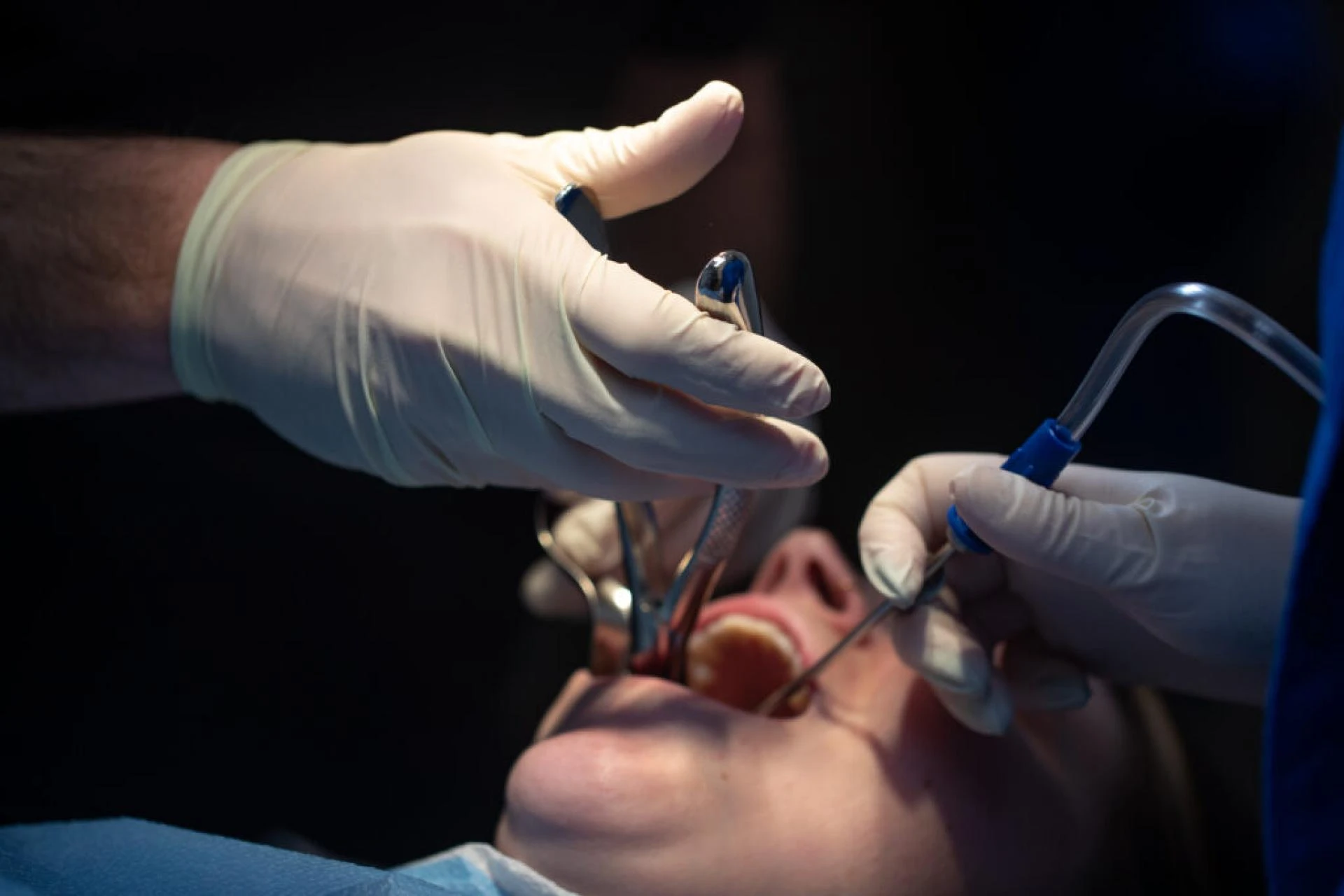

Wisdom Teeth Removal Surgery extraction is a common dental procedure involving the removal of one or more of the four wisdom teeth located at the back corners of the mouth. These teeth typically emerge between the ages of 17 and 25 and can cause various dental issues, including pain, infection, and misalignment of other teeth. This article provides a detailed overview of what to expect before, during, and after wisdom teeth extraction to help patients prepare for the procedure and understand the recovery process.
Before the Procedure
Initial Consultation
The process begins with an initial consultation with a dentist or oral surgeon. During this visit, the dentist will:
Examine Your Mouth and Teeth:The dentist will check the alignment and health of your teeth and gums.X-rays:X-rays will be taken to get a clear view of the position and development of the wisdom teeth and their roots.Medical History:You will be asked about your medical history, including any medications you are taking and any chronic conditions that might affect the surgery or recovery.Pre-Surgery Instructions
Before the surgery, you will receive specific instructions to prepare for the procedure:
Fasting:If general anesthesia is used, you may need to fast for at least 6 to 8 hours before the surgery.Medications:Follow any instructions regarding medications. You may need to stop taking certain medications before the surgery.Transportation:Arrange for someone to drive you to and from the appointment, especially if sedation or general anesthesia will be used.The Day of the Surgery
Anesthesia Options
The type of anesthesia used will depend on the complexity of the extraction and your preference. Common options include:
Local Anesthesia:Numbs the area around the wisdom teeth. You will be awake but feel no pain.Sedation Anesthesia:Administered through an IV line, this type will make you drowsy and less aware of the procedure.General Anesthesia:You will be completely unconscious during the procedure. This is typically used for more complex extractions or if multiple teeth are being removed.The Procedure
The extraction procedure typically takes about 45 minutes to an hour, depending on the complexity and number of teeth being removed. Here are the general steps:
Anesthesia Administration:The dentist or oral surgeon will administer the chosen anesthesia.Incision:If the wisdom teeth are impacted, an incision will be made in the gum tissue to expose the tooth and bone.Bone Removal:If necessary, the bone covering the tooth will be removed.Tooth Sectioning:The tooth may be divided into sections for easier removal.Tooth Extraction:The tooth is carefully extracted from the socket.Cleaning:The surgical site is cleaned of any debris from the tooth or bone.Stitches:Stitches may be placed to promote healing, though some extractions may not require them.Gauze Placement:Gauze is placed over the extraction site to control bleeding and help form a blood clot.Immediately After the Surgery
Recovery Room
After the surgery, you will be taken to a recovery room where you will be monitored as the anesthesia wears off. This period typically lasts about 30 minutes to an hour. You will receive instructions on how to care for your mouth at home.
You can read our other article https://almukhbir.com/
Managing Bleeding
Gauze Pads:Bite gently on gauze pads placed over the extraction site. Change them every 30 to 45 minutes until the bleeding subsides.Avoiding Dislodgement:Avoid vigorous rinsing, spitting, or using a straw for at least 24 hours to prevent dislodging the blood clot.The First 24 Hours
Pain Management
Medications:Take prescribed or over-the-counter pain medications as directed. Avoid aspirin as it can increase bleeding.Ice Packs:Apply ice packs to the outside of your cheeks intermittently to reduce swelling and numb the area.Dietary Restrictions
Soft Foods:Stick to soft foods like yogurt, applesauce, mashed potatoes, and smoothies for the first few days.Hydration:Drink plenty of fluids, but avoid using a straw as the suction can dislodge the blood clot.Avoid:Spicy foods, hot beverages, alcohol, and smoking, as they can irritate the extraction site and delay healing.Rest and Activity
Rest:Rest and avoid strenuous activities for at least the first 24 hours.Elevate Head:Keep your head elevated when lying down to help reduce swelling.
Days 2 to 3
Oral Hygiene
Gentle Brushing:Continue to brush your teeth, but avoid the extraction site. Use a soft-bristled toothbrush.Rinsing:After the first 24 hours, rinse your mouth gently with warm salt water (1/2 teaspoon of salt in 8 ounces of water) after meals and before bed to keep the area clean.Managing Swelling and Discomfort
Heat Application:After 48 hours, you can switch to applying warm compresses to reduce swelling and discomfort.Pain Relief:Continue taking pain medications as needed, following the prescribed dosage.Days 4 to 7
Gradual Return to Normal Activities
Activity Level:Gradually return to normal activities, but avoid strenuous exercise and heavy lifting for about a week.Diet:Slowly reintroduce solid foods as you feel comfortable, avoiding anything that might irritate the extraction site.Monitoring Healing
Signs of Infection:Watch for signs of infection, such as increased swelling, redness, fever, or discharge from the extraction site. Contact your dentist if you notice any of these symptoms.Dry Socket:Dry socket occurs when the blood clot at the extraction site dislodges or dissolves before the wound heals. This can expose the underlying bone and nerves, causing severe pain. If you suspect dry socket, contact your dentist immediately.Long-Term Recovery
Follow-Up Appointment
A follow-up appointment is usually scheduled about a week after the surgery to monitor healing and remove any stitches if necessary. Your dentist will also check for any complications and provide further instructions for care.
Complete Healing
Complete healing of the extraction site can take a few weeks to a few months. During this time, continue to practice good oral hygiene and follow any additional care instructions provided by your dentist.
Tips for a Smooth Recovery
Avoid Tobacco:Smoking or using tobacco products can delay healing and increase the risk of complications. Avoid these products for at least a week after the surgery.Maintain Oral Hygiene:Continue brushing and flossing your teeth, being careful around the extraction site.Stay Hydrated:Drink plenty of water to stay hydrated and help with healing.Follow Dietary Recommendations:Stick to soft, easy-to-eat foods and avoid anything that could irritate the extraction site.Listen to Your Body:Rest when you feel tired and avoid pushing yourself too hard during the recovery period.Conclusion
Wisdom teeth extraction is a routine procedure that can prevent various dental issues and improve overall oral health. By understanding what to expect before, during, and after the surgery, you can better prepare for the procedure and ensure a smooth recovery. Always follow your dentist’s instructions and contact them if you have any concerns or complications during the recovery process. With proper care and attention, you can navigate the experience of wisdom teeth extraction with minimal discomfort and achieve a healthy, pain-free mouth.





























Sign in to leave a comment.