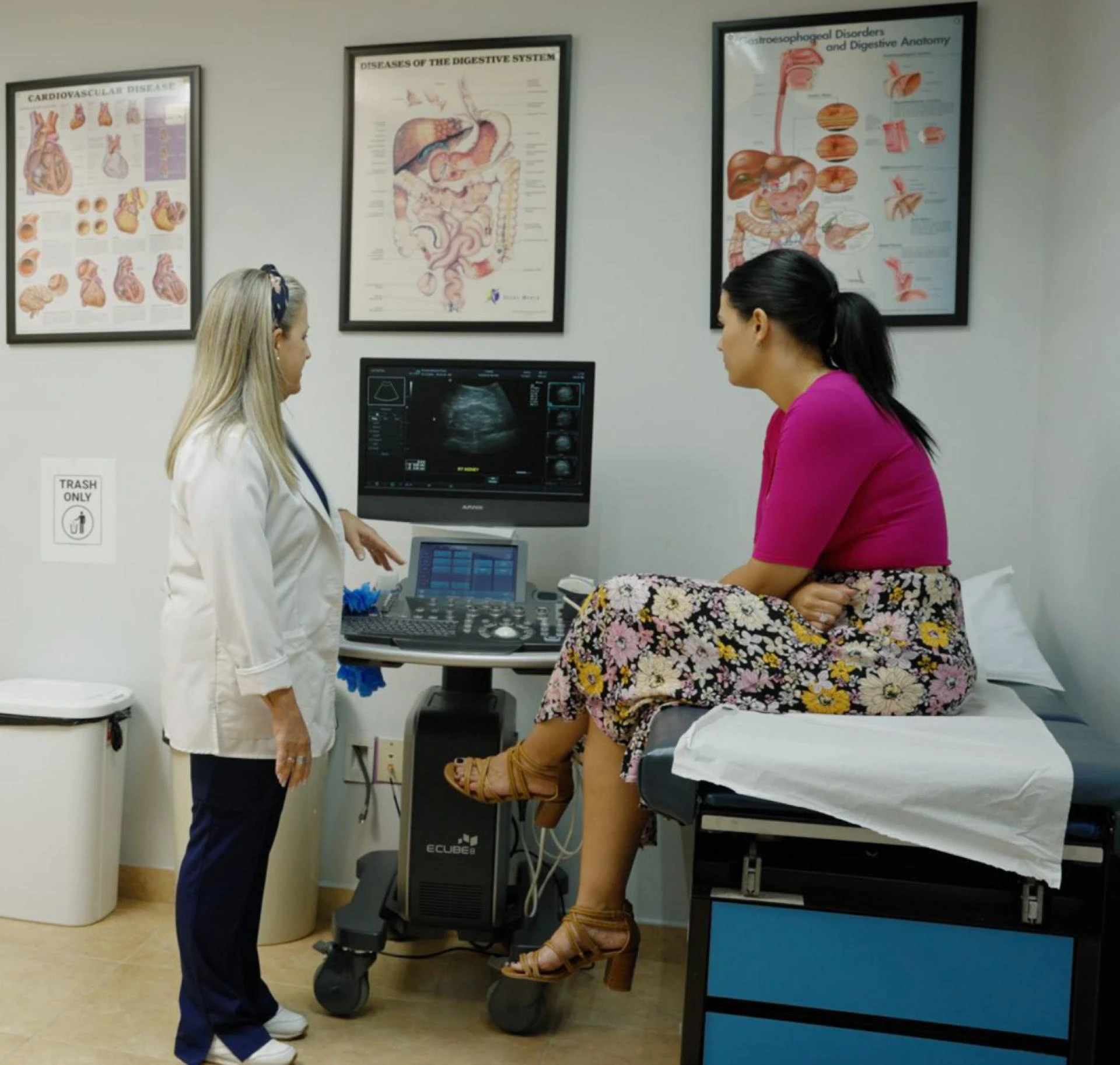

The difference between being heard and being helped
You can tell the difference almost immediately. The rushed questions, the half-glance at a screen, the feeling that your doctor’s already thinking about their next patient — that’s the kind of care too many people have grown used to.
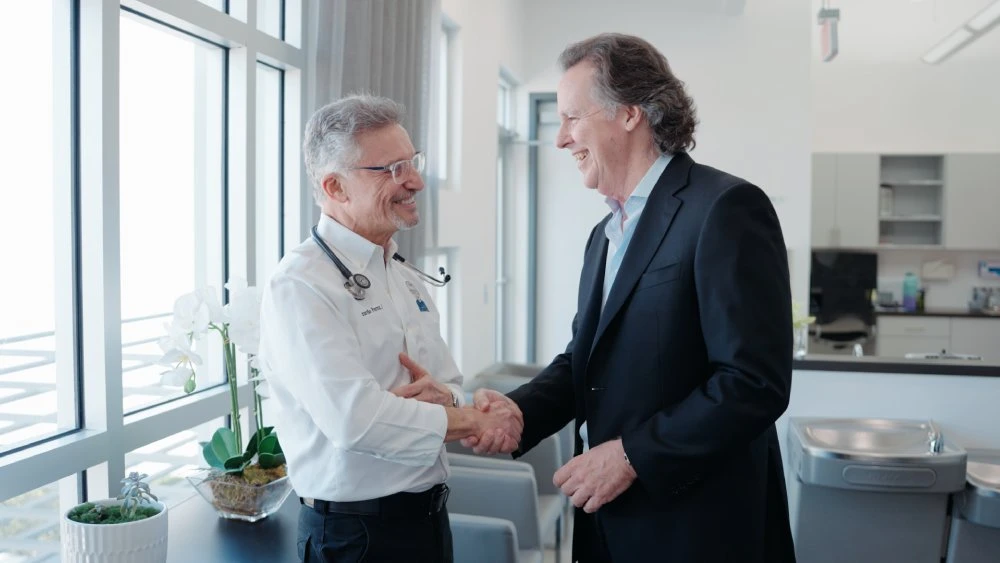
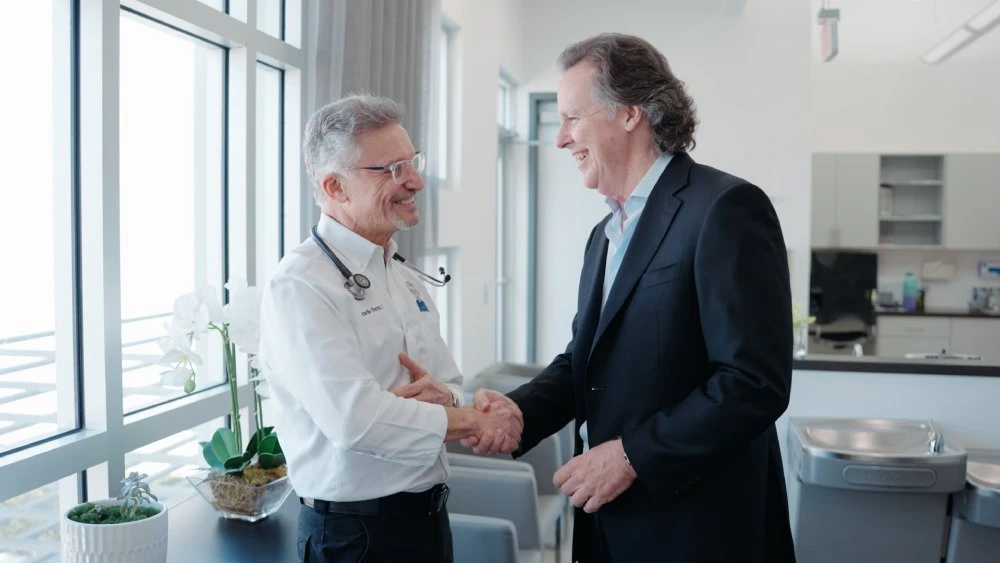
But then there are doctors who do it differently. A Primary Doctor North in Miami Beach who makes time, asks follow-up questions, and genuinely listens to understand what’s going on — not just to check a box. Because when communication improves, care does too.
Here’s what patients experience when they finally find a doctor who actually listens — and why it can make all the difference.
Step 1: A real conversation, not an interrogation
A good appointment doesn’t start with, “What brings you in today?” and end ten minutes later. It starts with dialogue — a back-and-forth that uncovers what’s really happening beneath the surface.
A listening doctor:
- Encourages you to describe symptoms in your own words.
- Asks open-ended questions instead of yes/no ones.
- Pauses before responding to make sure they understand.
This approach sounds simple, but it changes outcomes. When patients feel comfortable sharing the full story, doctors can spot connections between symptoms that might otherwise go unnoticed.
Step 2: More accuracy, fewer assumptions
Listening improves accuracy — plain and simple. Many misdiagnoses happen because important details get overlooked or dismissed.
A doctor who listens catches patterns. They notice when “just a headache” sounds like dehydration, or when “occasional fatigue” points to a thyroid imbalance. They don’t rely on one-size-fits-all solutions because they’re invested in your specific case.
That kind of attention prevents unnecessary tests, wrong prescriptions, and frustrating back-and-forth visits that waste time and money.
Step 3: Personalized treatment that makes sense
When doctors know their patients well, their recommendations feel less generic and more doable.
Personalized care can mean:
- Adjusting treatment to your lifestyle instead of expecting drastic changes.
- Suggesting realistic nutrition or exercise plans.
- Tailoring medication schedules to your daily routine.
It’s not just about treating illness — it’s about building a plan you can actually stick to.
Step 4: The trust factor
Trust doesn’t come from credentials; it comes from consistency. When you feel your doctor values your input, you’re more likely to follow their advice, ask questions, and share openly about concerns.
That mutual trust helps your doctor help you. They get better data to work with, and you get a plan you believe in.
In healthcare, trust isn’t a bonus — it’s a foundation.
Step 5: Better prevention through connection
A doctor who listens isn’t just responding to symptoms; they’re identifying risks before they turn into problems.
They know your habits, history, and challenges. That context helps them design prevention plans that work — not theoretical advice that fades after the appointment.
Examples include:
- Recommending early screenings based on family history.
- Spotting subtle signs of chronic stress.
- Adjusting plans to account for lifestyle or work-related factors.
Preventive care only works when it’s rooted in understanding.
Step 6: Emotional health gets the attention it deserves
Physical symptoms often have emotional roots. Stress, anxiety, and burnout can show up as fatigue, headaches, or sleep issues.
A doctor who listens knows when to dig deeper. They won’t dismiss your concerns as “just stress,” but they’ll recognize when mental health might be part of the picture.
Many primary doctors in North Miami Beach now take an integrated approach — addressing emotional and physical health together. It’s holistic, not trendy. And it works.
Step 7: Chronic conditions need continuity, not quick fixes
Managing chronic illnesses like diabetes, hypertension, or asthma requires a long-term relationship between patient and doctor.
A listening doctor notices progress, setbacks, and lifestyle shifts. They don’t just refill prescriptions; they help you manage the condition over time with realistic support.
That continuity helps prevent complications and keeps you motivated to stay on track.
Step 8: Communication that continues after the visit
Modern medicine doesn’t end at the clinic door. A good doctor follows up — whether it’s to check your progress, share test results, or adjust treatment.
Many primary care centers now use patient portals for communication. You can message your doctor, access records, and get reminders without having to call or wait days for updates.
This kind of consistent communication keeps patients engaged and informed.
Step 9: Simplicity matters
When you leave a doctor’s office, you should understand your next steps clearly — no confusion, no medical jargon.
Doctors who value listening also value explaining. They take time to translate complex information into plain language and make sure you’re confident before you leave.
That clarity reduces mistakes, increases follow-through, and makes every patient feel respected.
Step 10: Accessibility makes all the difference
Even the best doctor can’t help if you can’t reach them. Accessibility isn’t just convenience — it’s part of care.
The most trusted North Miami Beach primary doctors offer:
- Same-day appointments for urgent needs.
- Extended hours for working professionals.
- Telemedicine visits for quick check-ins.
- Friendly, responsive staff that actually calls back.
When patients can reach their doctor easily, they’re far more likely to stay proactive about their health.
Step 11: Education empowers patients
A doctor who listens doesn’t just hand you a prescription — they explain the “why” behind it.
They teach you how lifestyle choices affect your results, what symptoms to watch for, and how to stay ahead of potential issues.
That education builds confidence. You stop feeling like a passive patient and start feeling like an informed participant in your own health.
Step 12: The ripple effect of better communication
When a doctor listens, the benefits ripple out. Patients who feel heard are less anxious, more compliant, and more likely to catch issues early.
They also build longer, stronger relationships with their care providers — which translates into better long-term outcomes.
Healthcare stops feeling like a transaction and starts feeling like a partnership.
Step 13: What patients in North Miami Beach are saying
Talk to locals, and you’ll hear the same theme: the relief of finally being listened to.
People describe doctors who remember their last conversation, follow up after visits, and take their concerns seriously. They feel like more than a name on a file.
That kind of care creates loyalty — not because it’s fancy, but because it’s real.
Step 14: The future of care that listens
As healthcare becomes more digital, the value of human connection is growing — not shrinking.
The best practices in North Miami Beach are blending technology and empathy, giving patients both efficiency and compassion.
Listening will always be the one skill machines can’t replace — and the one patients value most.
Final Thoughts
The best doctors don’t just treat — they listen. They understand that healing starts with being heard.
When your doctor knows your story, your values, and your goals, they’re not just treating symptoms — they’re helping you live better.
That’s the difference between healthcare that feels rushed and care that actually works. Because listening isn’t extra — it’s essential.



























Sign in to leave a comment.